
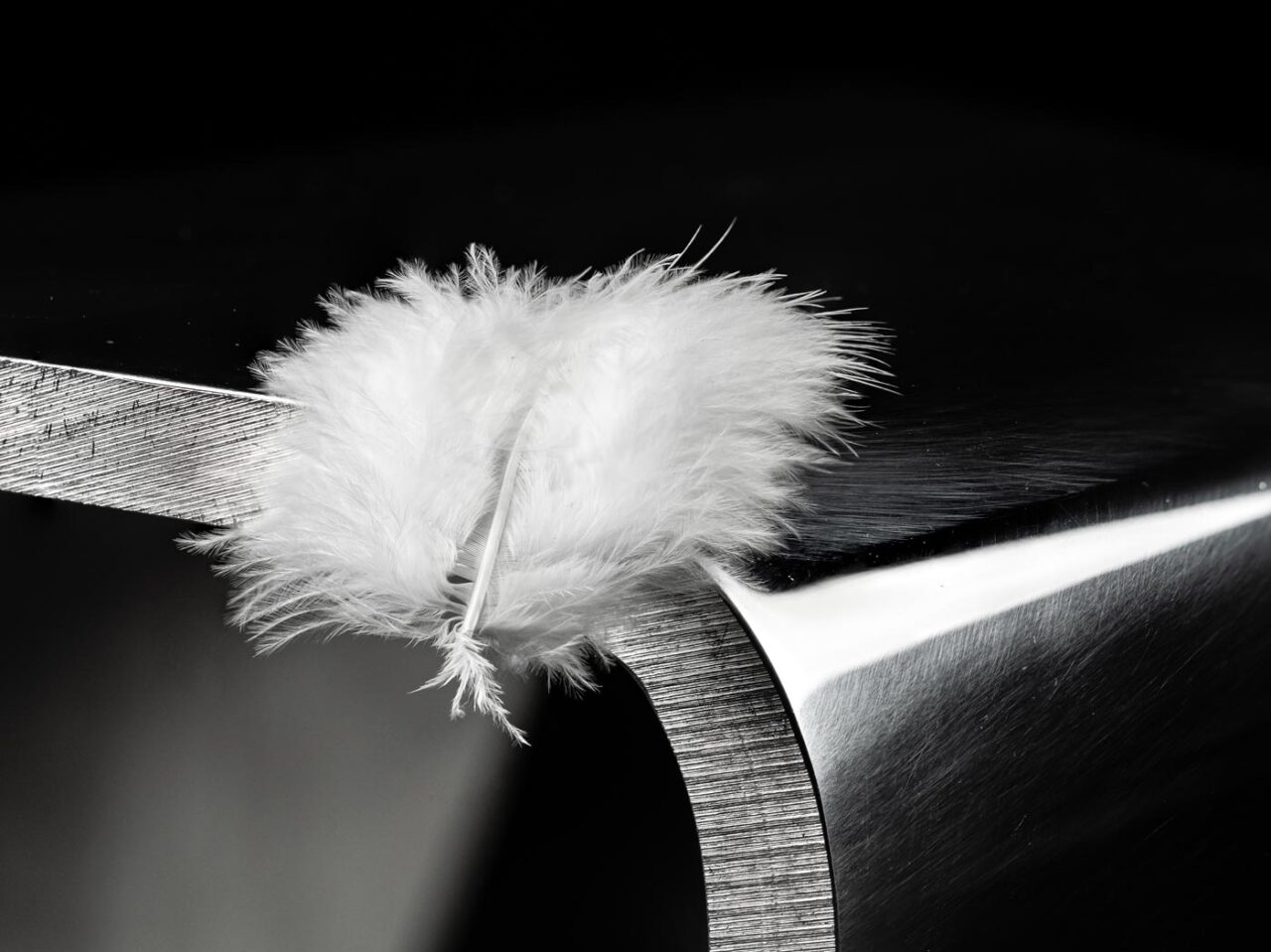
Understanding high-strength stainless steel in industrial applications
In the demanding world of heavy machinery, the choice of structural materials can make the difference between mediocre performance and exceptional reliability. High-strength stainless steel has emerged as a superior material choice for engineers seeking to optimise machinery performance while extending operational lifespan. With its exceptional mechanical properties and resistance to harsh environments, this advanced material is transforming how we design and build industrial equipment. At Stalatube, our 50+ years of expertise in manufacturing high-strength stainless steel hollow sections and I-beams has positioned us at the forefront of this evolution in industrial materials. Let’s explore the eight key mechanical advantages that make high-strength stainless steel, particularly lean duplex stainless steel (LDX), an exceptional choice for heavy machinery applications.
Understanding high-strength stainless steel in industrial applications
High-strength stainless steel represents a significant advancement in material science for industrial applications. Unlike conventional stainless steel, high-strength variants like lean duplex stainless steel (LDX) offer substantially improved mechanical properties while maintaining excellent corrosion resistance. This combination makes them particularly valuable in heavy machinery where mechanical performance and durability are paramount.
With over five decades of experience, we at Stalatube have developed one of the industry’s most comprehensive ranges of stainless steel hollow sections and I-beams specifically designed for demanding industrial applications. Our high-strength stainless steel solutions have become increasingly vital in heavy machinery design as manufacturers seek materials that can withstand extreme conditions while offering superior load-bearing capacity.
1: Superior strength-to-weight ratio for optimal performance
The exceptional strength-to-weight ratio of high-strength stainless steel is perhaps its most significant mechanical advantage in heavy machinery applications. Lean duplex stainless steel can achieve yield strengths up to twice that of conventional austenitic grades, allowing for substantial reductions in material thickness without compromising structural integrity.
This mechanical efficiency translates directly to practical benefits in heavy machinery. With thinner wall sections required for the same structural performance, equipment weight can be reduced by up to 50%. The resulting weight savings cascade into multiple operational advantages: increased payload capacity, reduced fuel consumption, decreased transportation costs, and minimised stress on supporting components. In mobile equipment applications, this weight reduction significantly improves mobility and manoeuvrability while reducing ground pressure.
2: Enhanced structural stability under extreme loads
High-strength stainless steel delivers exceptional structural stability under the extreme loading conditions typical in heavy machinery. Our stainless steel hollow sections provide superior performance in compression, tension, and torsion compared to conventional materials, maintaining their dimensional integrity even under sustained heavy loads.
The uniform strength distribution across all axes in square and rectangular hollow sections is particularly advantageous in heavy machinery applications. Unlike some profiles that exhibit directional strength variations, our stainless steel tubes provide consistent performance regardless of load orientation. This characteristic is especially beneficial under compressive loads, where the hollow section geometry efficiently distributes stress throughout the entire profile, preventing localised failures and maintaining structural integrity over the equipment’s operational life.
3: Exceptional resistance to corrosion and environmental stressors
Heavy machinery frequently operates in environments that combine mechanical stress with corrosive conditions. High-strength stainless steel excels in these challenging scenarios by maintaining its mechanical integrity even when exposed to corrosive agents that would degrade conventional materials.
This corrosion resistance prevents the mechanical deterioration that typically affects carbon steel components in harsh environments. While carbon steel may initially provide adequate strength, its mechanical properties degrade over time as corrosion reduces effective cross-sectional areas. In contrast, our high-strength stainless steel hollow sections maintain their mechanical properties throughout their service life, eliminating the need for corrosion allowances in design calculations. This consistency ensures predictable mechanical performance even in the most demanding chemical processing, water treatment, or marine environments.
4: How does fatigue resistance impact machinery longevity?
Fatigue resistance—the ability to withstand repeated stress cycles without failure—is crucial for components subjected to cyclical loading in heavy machinery. High-strength stainless steel demonstrates superior fatigue performance compared to conventional materials, particularly in corrosive environments where stress corrosion cracking can accelerate fatigue failure.
The enhanced fatigue resistance of lean duplex stainless steel translates directly to extended service life in applications with repetitive loading cycles. Machinery components made from our high-strength stainless steel hollow sections can withstand millions of stress cycles without significant degradation. This mechanical resilience reduces maintenance requirements, minimises downtime, and extends the operational life of critical equipment in industries ranging from construction to mining, where continuous operation under fluctuating loads is the norm.
5: Precision engineering for dimensional stability
The manufacturing precision of Stalatube’s high-strength stainless steel products ensures exceptional dimensional stability, a critical mechanical advantage in heavy machinery applications. Our roll forming and press braking processes produce hollow sections and I-beams with tight dimensional tolerances and minimal internal stresses.
This manufacturing precision contributes directly to mechanical performance in assembled equipment. Components with consistent dimensions simplify assembly processes, eliminate alignment issues, and ensure proper load transfer between connected elements. In heavy machinery where multiple components must work together under significant loads, this dimensional consistency is essential for preventing uneven stress distribution and premature failure. The result is machinery that operates more efficiently, with reduced vibration, improved mechanical reliability, and extended service life.
6: Optimised load distribution for mechanical efficiency
The uniform geometry of stainless steel hollow sections provides optimal load distribution throughout mechanical systems, significantly improving overall efficiency. Square and rectangular hollow sections distribute stress evenly across their cross-section, eliminating the stress concentrations that often lead to failure in heavy machinery applications.
This balanced load distribution is particularly valuable in machinery frameworks and chassis designs. Our stainless steel square tubes provide uniform strength in all directions, making them ideal for applications where loads may be applied from multiple angles. The result is more efficient use of material, with stress distributed evenly throughout the structure rather than concentrated at vulnerable points. This mechanical efficiency allows designers to create machinery that performs reliably under variable loading conditions whilst minimising weight and material usage.
7: Temperature resilience across operational extremes
High-strength stainless steel maintains its mechanical properties across a wide temperature range, providing consistent performance in machinery operating in extreme thermal conditions. Unlike many materials that become brittle at low temperatures or lose strength when heated, lean duplex stainless steel retains its structural integrity from cryogenic temperatures up to several hundred degrees Celsius.
This temperature stability prevents the dimensional changes and mechanical property variations that can compromise equipment reliability in fluctuating thermal environments. Machinery components manufactured from our high-strength stainless steel hollow sections maintain their fit tolerance, strength, and ductility regardless of operating temperature. This consistency ensures reliable performance in applications ranging from refrigeration equipment to high-temperature processing machinery, where thermal cycling would cause progressive deterioration in less stable materials.
Maximising machinery performance with high-strength stainless steel solutions
The eight mechanical advantages of high-strength stainless steel—superior strength-to-weight ratio, enhanced structural stability, corrosion resistance, fatigue resistance, dimensional precision, optimised load distribution, temperature resilience, and sustainability through material efficiency—combine to create an exceptional material choice for heavy machinery applications. These properties work synergistically to improve performance, extend service life, and reduce lifetime operational costs.
At Stalatube, our specialised high-strength stainless steel hollow sections and I-beams embody these advantages, providing engineers and equipment manufacturers with materials that meet the most demanding mechanical requirements. With our extensive experience and comprehensive product range, we help our customers design machinery that operates more efficiently, lasts longer, and performs reliably even in the harshest industrial environments. By incorporating high-strength stainless steel solutions into your heavy machinery design, you’re not just building equipment—you’re ensuring lasting mechanical excellence in every application.
This article was created with the help of AI and reviewed by a human. It may include mistakes.