
Stress corrosion cracking (SCC) is a destructive failure mechanism that occurs in stainless steel when three specific conditions converge: tensile stress, a susceptible material, and a corrosive environment. Unlike general corrosion that visibly deteriorates metal surfaces, SCC forms microscopic cracks that propagate through the material without apparent warning signs, potentially leading to catastrophic structural failure. This phenomenon is particularly concerning in critical applications where high-strength stainless steel is relied upon for long-term structural integrity.
What is stress corrosion cracking in stainless steel?
Stress corrosion cracking in stainless steel is a localised corrosion mechanism that produces fine, branching cracks which penetrate into the metal. It occurs specifically at the intersection of tensile stress, material susceptibility, and corrosive environmental conditions. What makes SCC particularly dangerous is its stealthy nature—the cracking progresses at a microscopic level without significant visible deterioration on the surface.
The process begins when the protective passive film on stainless steel becomes compromised in specific locations. These local breaches allow corrosive agents to attack the underlying metal while mechanical stress simultaneously pulls the material apart. The combination accelerates crack growth along grain boundaries or through the metal’s crystalline structure.
Unlike mechanical failure that typically shows deformation before breaking, SCC can cause sudden, catastrophic failures in stainless steel structures that previously appeared completely sound. This makes regular inspection and proper material selection critical for applications where structural integrity is essential.
What causes stress corrosion cracking in stainless steel structures?
The primary causes of stress corrosion cracking in stainless steel structures include a combination of residual stresses from manufacturing processes, environmental exposure, and inherent material susceptibility. Chloride contamination is perhaps the most common environmental trigger, with even small amounts capable of initiating SCC when combined with moisture and tensile stress.
Residual stresses from fabrication techniques such as welding, cold forming, or press braking can create sufficient tensile forces within the material to drive crack propagation. Temperature also plays a significant role—elevated temperatures accelerate the corrosion reactions and can make even moderately resistant grades vulnerable to SCC.
Material selection is equally crucial, as certain austenitic stainless steel grades (like 304 and 316) show greater susceptibility to SCC than others, particularly in chloride-containing environments. The microstructure, grain orientation, and alloying elements all influence how readily a stainless steel hollow section might develop stress corrosion cracking under challenging service conditions.
How does duplex stainless steel resist stress corrosion cracking?
Duplex stainless steel provides superior resistance to stress corrosion cracking through its unique two-phase microstructure that combines austenitic and ferritic grain structures. This balanced microstructure creates a corrosion-resistant barrier that is significantly more effective at preventing SCC than traditional austenitic stainless steels, particularly in chloride-rich environments.
The enhanced mechanical properties of duplex grades, including lean duplex stainless steel (LDX), deliver higher yield strength which allows for thinner sections while maintaining load-bearing capacity. This reduction in material thickness can actually help minimize residual stresses that might otherwise contribute to SCC susceptibility.
Through careful control of alloying elements like chromium, molybdenum, and nitrogen, modern high-strength duplex stainless steels achieve an optimal balance between structural performance and corrosion resistance. The roll forming and manufacturing processes used for hollow sections can further enhance these properties by creating a consistent, fine-grained structure that inherently resists crack initiation and propagation.
What design considerations prevent stress corrosion cracking?
Preventing stress corrosion cracking begins with selecting the appropriate stainless steel grade for the specific environmental conditions. For challenging environments with potential chloride exposure, high-strength duplex grades offer significantly better SCC resistance than standard austenitic options, providing both performance and longevity benefits.
Structural design should incorporate stress-reduction techniques such as avoiding sharp corners, ensuring smooth transitions between sections, and minimizing the concentration of tensile stresses. Proper fabrication methods are equally important—controlling heat input during welding, employing post-fabrication stress relief treatments when necessary, and maintaining clean surfaces free from contaminants all contribute to SCC prevention.
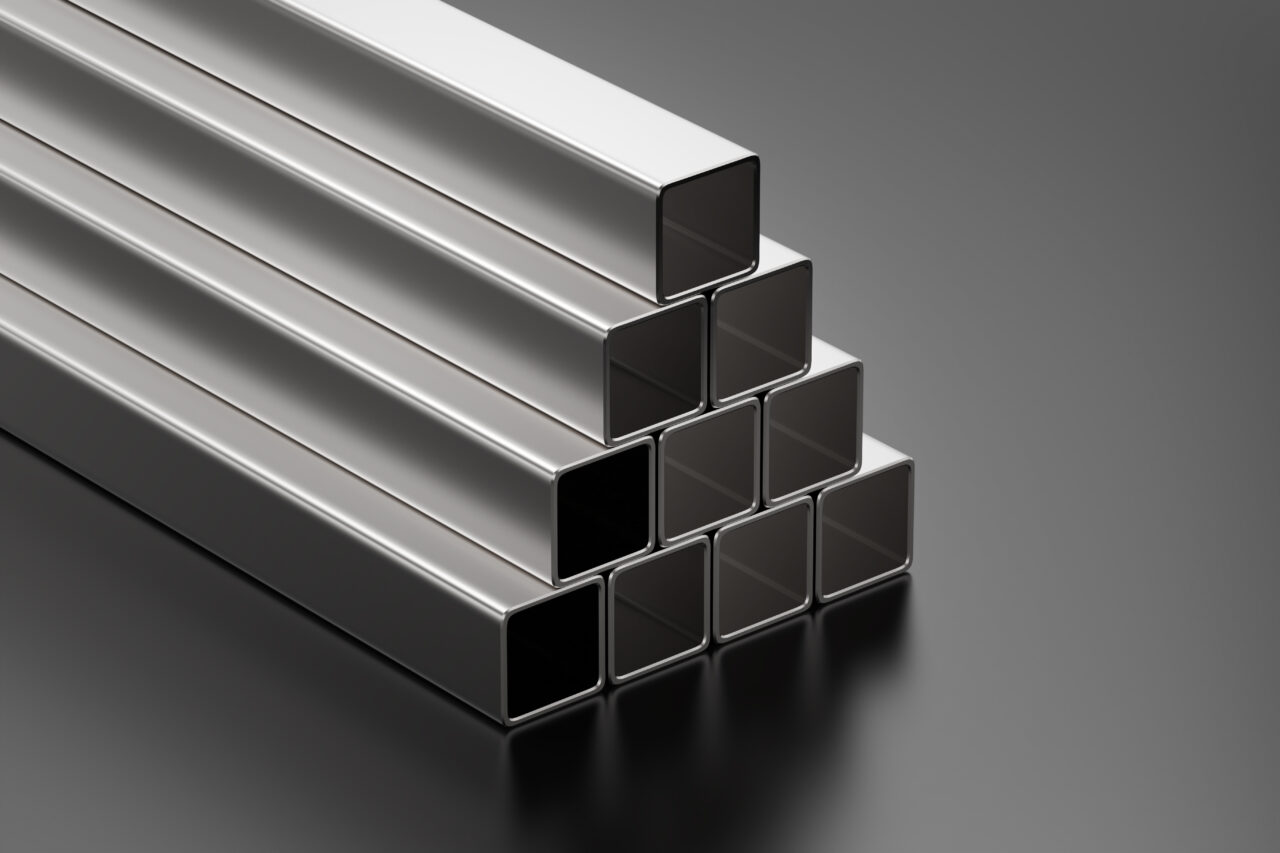
Square and rectangular hollow sections provide uniform strength distribution across all axes, making them ideal for compression applications where structural stability is paramount. These profiles support large loads while maintaining stability with relatively low weight, creating structures that resist both mechanical stress and corrosion challenges throughout their service life.
Stress corrosion cracking resistance
Stress corrosion cracking represents a significant challenge for stainless steel applications in demanding environments, but proper material selection dramatically reduces this risk. Lean duplex stainless steel (LDX) provides an excellent balance of mechanical strength, corrosion resistance, and economic value for structural applications where SCC might otherwise be a concern.
Understanding the interaction between environmental factors, material properties, and stress conditions allows engineers to design systems that minimize SCC risk. The superior performance of high-strength stainless steel hollow sections in resisting both mechanical loads and corrosive attack makes them particularly valuable for critical infrastructure with long service life requirements.
With over 50 years of expertise in stainless steel solutions, we understand the importance of material selection in preventing stress corrosion cracking. Our extensive range of hollow sections and profiles provides options for even the most challenging environmental conditions, ensuring structural integrity without compromising on performance or sustainability.
Need expert guidance on selecting the right stainless steel solution for your next project? Our team is ready to help you find the optimal balance between strength, corrosion resistance, and long-term performance. Contact us today to discuss your specific requirements.
This article was created with the help of AI and reviewed by a human. It may include mistakes.