
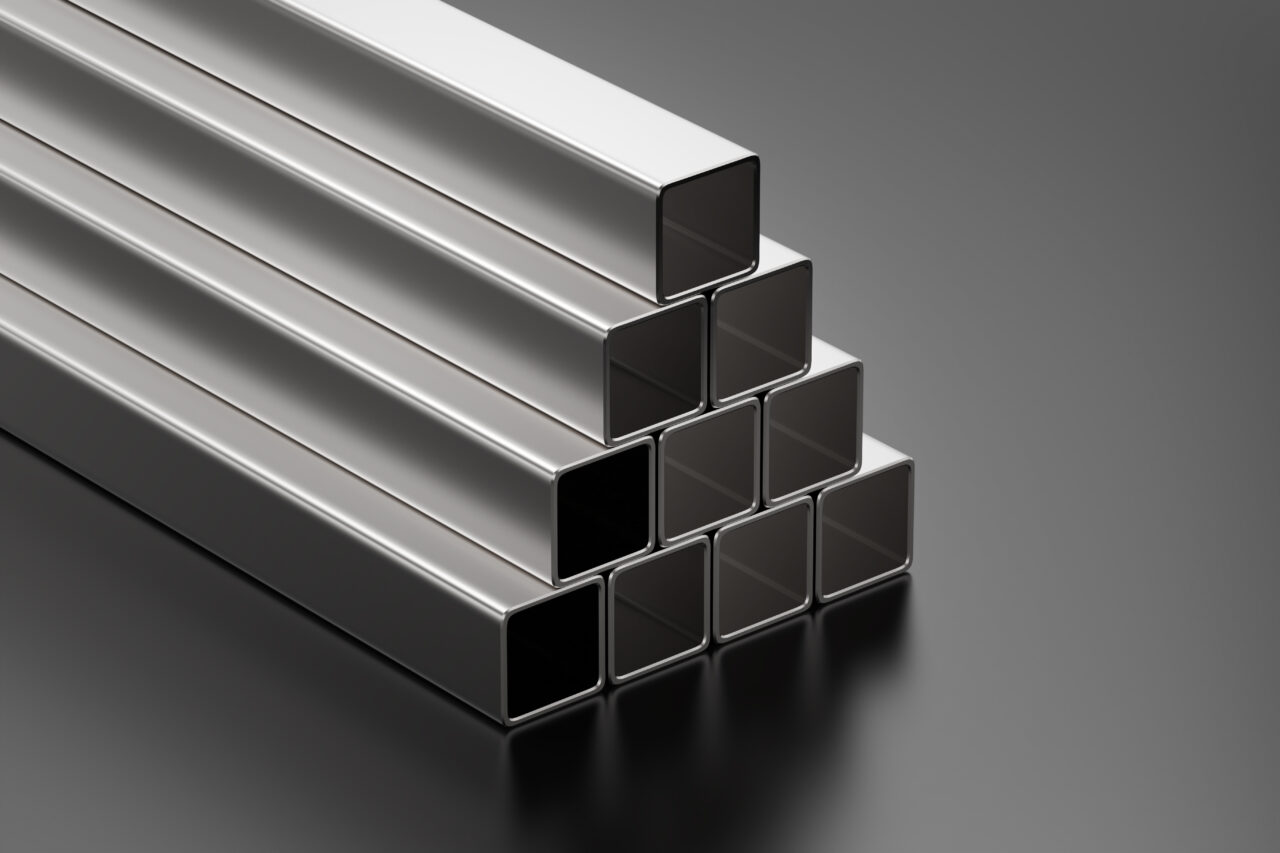
The most corrosive acids to steel are mineral acids like hydrochloric, sulphuric, and hydrofluoric acid, which can rapidly degrade standard carbon steel through oxidation reactions. These strong acids strip away the iron atoms from steel, causing structural deterioration and eventual failure. Stainless steel offers significantly better resistance due to its chromium content, which forms a passive oxide layer that protects against acid attack. The corrosion resistance varies by stainless steel grade, with austenitic (300 series) and duplex stainless steels providing superior protection in acidic environments compared to standard steel.
Understanding acid corrosion in stainless steel applications
Acid corrosion in steel structures occurs when acidic solutions react with the iron in steel, causing oxidation and material degradation. This electrochemical process involves the transfer of electrons from the metal to the acid, resulting in the dissolution of the metal surface and the formation of metal ions. The severity of corrosion depends on several factors including acid concentration, temperature, and exposure time.
For industrial applications exposed to corrosive environments, material selection becomes crucial for structural integrity and longevity. High-strength stainless steel offers superior protection against acid corrosion compared to conventional steel due to its unique composition. The addition of chromium, nickel, and other alloying elements provides enhanced corrosion resistance while maintaining structural properties.
In demanding industrial settings, understanding the specific acid corrosion mechanisms allows for appropriate material selection. Properly selected stainless steel can withstand aggressive chemical environments while providing the necessary structural support, reducing maintenance costs and extending service life significantly.
Which acids pose the greatest threat to standard steel structures?
Hydrochloric acid (HCl) represents one of the most aggressive threats to standard steel, rapidly attacking even at low concentrations. This powerful mineral acid dissolves the protective oxide layer on steel surfaces, causing accelerated corrosion rates that can compromise structural integrity within days or even hours in concentrated solutions.
Sulphuric acid (H2SO4) presents another significant challenge, particularly at higher concentrations and temperatures. Its corrosion mechanism involves both direct acid attack and the formation of sulphate compounds that can further accelerate metal degradation. The concentration of sulphuric acid drastically affects its corrosivity, with more concentrated solutions often causing severe pitting and uniform corrosion.
Nitric acid (HNO3) attacks standard steel through powerful oxidation reactions that dissolve the metal and prevent the formation of protective layers. Other highly destructive acids include hydrofluoric acid (HF), which can penetrate deeply into metal structures, and organic acids like acetic and formic acid, which, though generally less aggressive than mineral acids, can cause significant damage over longer exposure periods in industrial settings.
How does stainless steel resist acid corrosion?
Stainless steel’s exceptional resistance to acid corrosion stems primarily from its chromium content, typically 10.5% or higher. This chromium reacts with oxygen to form a thin, invisible passive layer of chromium oxide on the surface. Unlike ordinary steel’s iron oxide (rust), this passive layer is non-porous, tightly adherent, and self-healing when damaged, providing continuous protection against acidic environments.
The effectiveness of this passive layer is enhanced by other alloying elements. Nickel improves resistance to reducing acids, while molybdenum significantly increases resistance to localized corrosion like pitting and crevice corrosion in chloride-containing environments. Nitrogen increases pitting resistance and strengthens the material, particularly beneficial in high-stress applications exposed to acids.
Manufacturing processes play a crucial role in optimizing corrosion resistance. Precision roll forming and press braking techniques help maintain the integrity of the passive layer during fabrication. These controlled forming methods minimize surface defects that could become initiation sites for corrosion, ensuring the structural integrity of stainless steel components even when regularly exposed to acidic conditions.
What makes lean duplex stainless steel superior for acid environments?
Lean duplex stainless steel (LDX) offers an exceptional combination of corrosion resistance and mechanical strength that makes it particularly valuable in acidic environments. The unique microstructure of lean duplex, consisting of approximately equal parts austenite and ferrite phases, provides superior resistance to stress corrosion cracking and pitting when compared to standard austenitic grades.
The enhanced nitrogen content in lean duplex stainless steel significantly improves its resistance to acids by strengthening the passive layer and increasing pitting resistance. This allows LDX to withstand exposure to aggressive chemicals like dilute sulphuric acid and organic acids while maintaining structural integrity. Additionally, the reduced nickel content compared to austenitic grades makes it more cost-stable while still providing excellent corrosion performance.
For industrial applications, lean duplex stainless steel delivers significant advantages through its higher yield strength—nearly twice that of conventional austenitic grades. This strength-to-weight ratio allows for thinner-walled designs that reduce material costs and overall weight without compromising performance in corrosive environments. The combination of strength and corrosion resistance makes lean duplex an ideal choice for structural components exposed to acids where both load-bearing capacity and chemical resistance are critical requirements.
How to select the right stainless steel grade for acid exposure?
Selecting the appropriate stainless steel grade for acid exposure requires careful evaluation of several critical factors. First, identify the specific acid type and concentration in your environment, as different grades perform differently against various acids. For example, austenitic grades like 316L offer excellent resistance to many organic acids, while duplex grades provide superior protection against sulphuric acid.
Consider operating temperature, as corrosion rates typically increase at higher temperatures. Most stainless steels show reduced corrosion resistance above certain temperature thresholds specific to each acid. The presence of contaminants like chlorides can dramatically accelerate corrosion, necessitating higher-alloyed grades with increased molybdenum content.
Mechanical requirements must be balanced with corrosion resistance. Square tubes provide uniform strength across all axes, offering significant advantages under chemical stress conditions where structural stability is paramount. For highly corrosive environments, super duplex or super austenitic grades may be necessary despite their higher cost, as they deliver superior performance in extreme conditions.
Stainless steel performance in acidic environments
The selection of appropriate stainless steel for acidic environments requires balancing corrosion resistance with mechanical properties. Chromium content remains the foundation of acid resistance, with higher percentages generally providing better protection. Molybdenum and nitrogen further enhance performance in specific acid applications, particularly against localized corrosion phenomena.
Understanding the exact service environment is crucial for proper material selection. Factors including acid concentration, temperature fluctuations, presence of contaminants, and mechanical stresses all significantly impact long-term performance. Choosing the optimal grade involves considering not just initial costs but total lifecycle expenses, including maintenance and potential replacement costs.
With over 50 years of experience in providing stainless steel solutions for demanding applications, we have developed extensive expertise in material selection for corrosive environments. Our high-strength stainless steel hollow sections provide exceptional structural stability while resisting acid attack in challenging industrial settings.
Need help selecting the right stainless steel for your acid exposure application? Contact us today to discuss your specific requirements and discover how our expertise can help you find the optimal solution.
This article was created with the help of AI and reviewed by a human. It may include mistakes.