
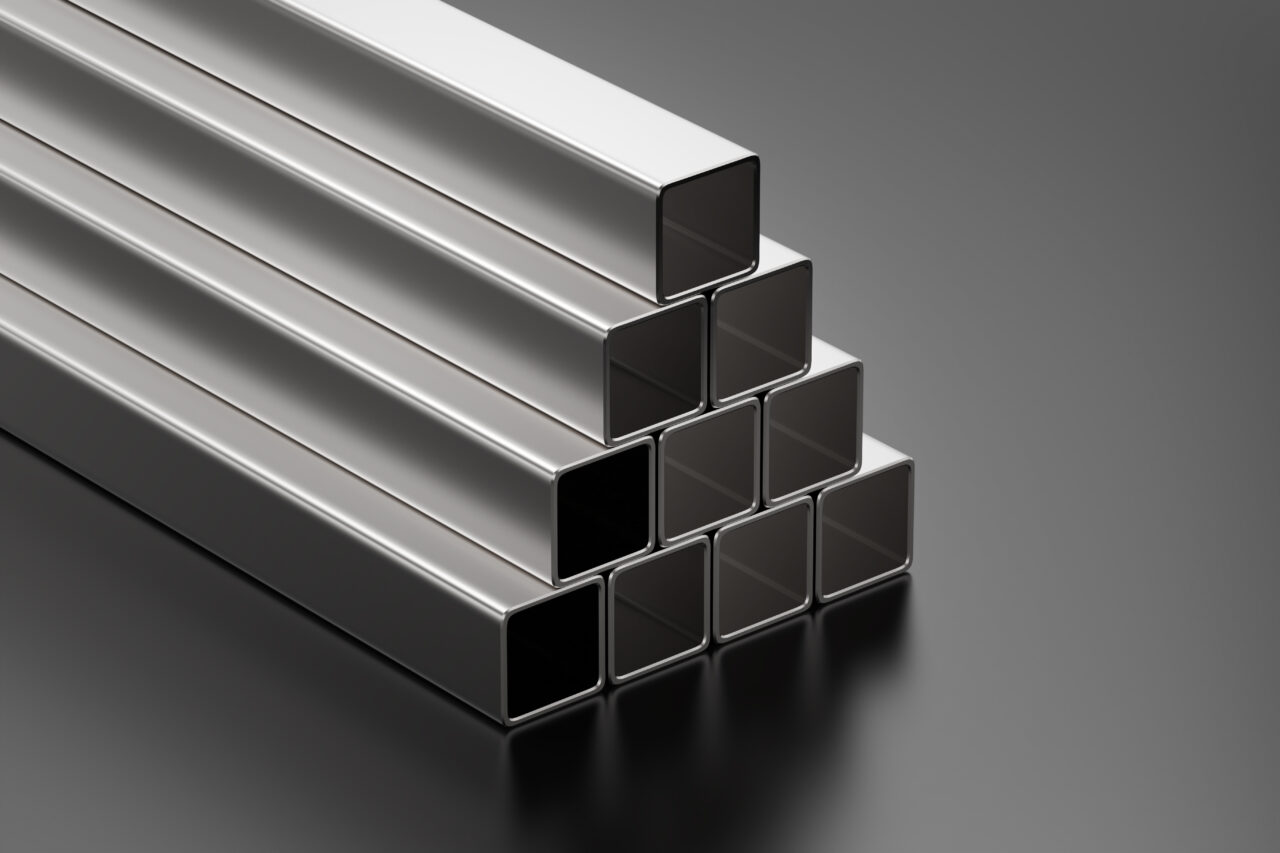
Chlorides significantly impact stainless steel durability by attacking the protective passive film that gives stainless steel its corrosion resistance. When chloride ions penetrate this oxide layer, they initiate localised corrosion processes including pitting, crevice corrosion, and stress corrosion cracking. These effects are particularly concerning in marine environments, industrial settings, and areas where de-icing salts are used. The severity of chloride attack depends on concentration levels, temperature, pH, and the specific grade of stainless steel. High-strength stainless steel with increased chromium, molybdenum and nitrogen content offers substantially better resistance to chloride-induced corrosion.
Understanding how chlorides affect stainless steel durability
The relationship between chlorides and stainless steel durability centres on a chemical attack mechanism that compromises the material’s inherent corrosion resistance. Stainless steel derives its corrosion resistance from a thin, self-healing passive chromium oxide film that forms naturally on its surface. Chloride ions can locally break down this protective layer, particularly at weak points or imperfections, initiating corrosion processes that can progress rapidly.
This chloride attack is particularly concerning for structural applications where material integrity directly impacts safety and longevity. In environments with high chloride exposure—such as coastal areas, swimming pools, or chemical processing facilities—even corrosion-resistant stainless steel can experience accelerated deterioration without proper material selection.
The importance of choosing appropriate stainless steel grades for chloride-rich environments cannot be overstated. Different grades offer varying levels of resistance based on their composition, with higher chromium, molybdenum, and nitrogen content typically providing enhanced protection against chloride attack. For critical structural applications, selecting materials with the right balance of strength and chloride resistance is essential for ensuring long-term durability and performance.
What are chlorides and where are they commonly found?
Chlorides are compounds containing chlorine ions that have gained an electron, giving them a negative charge (Cl-). These ions are highly reactive and readily form salts with various metals. Sodium chloride (common salt) is the most familiar example, but potassium chloride, calcium chloride, and magnesium chloride are also widespread in both natural and industrial settings.
Marine environments represent one of the most significant sources of chloride exposure for stainless steel structures. Seawater contains approximately 3.5% salt, primarily sodium chloride, creating a highly corrosive environment for metals. The concentration diminishes with distance from the coast, but salt-laden air can travel several kilometres inland, affecting structures that may not have direct contact with seawater.
Industrial settings present another major source of chloride exposure. Chemical processing facilities, food production plants, and water treatment operations frequently utilise chloride-containing compounds. Additionally, in colder climates, de-icing salts applied to roads and walkways contribute substantially to chloride exposure for infrastructure components. These salts can be particularly damaging as they often create concentrated chloride solutions when dissolving in melting snow or rainwater.
Environmental conditions that accelerate chloride attacks include elevated temperatures, fluctuating wet-dry cycles, acidic conditions (low pH), and the presence of oxidising agents. These factors can significantly amplify the corrosive effects of even relatively low chloride concentrations, making them important considerations when selecting materials for specific applications.
How does chloride-induced corrosion affect stainless steel structures?
Chloride-induced corrosion manifests through several distinct mechanisms that progressively undermine stainless steel’s structural integrity. Pitting corrosion is perhaps the most insidious form, creating small, often microscopic holes that penetrate deeply into the material. These pits act as concentrated anodic sites where rapid metal dissolution occurs, while the surrounding passive surface serves as a large cathodic area, accelerating the corrosion rate within the pit.
Crevice corrosion occurs in narrow gaps or spaces where oxygen is depleted but moisture and chlorides can accumulate. Common locations include joints, under gaskets, and around fasteners. Within these crevices, a localised acidic microenvironment develops that aggressively attacks the stainless steel, causing substantial material loss that may remain hidden from visual inspection until significant damage has occurred.
Stress corrosion cracking (SCC) represents a particularly dangerous failure mode where the combined effect of tensile stress and chloride exposure causes microscopic cracks to propagate through the material. These cracks can develop at stress levels well below the material’s normal yield strength, potentially leading to sudden catastrophic failure with little warning. This is especially concerning in load-bearing applications where structural integrity is paramount.
The impact of these corrosion mechanisms extends beyond simple material deterioration. As corrosion progresses, it reduces the effective cross-sectional area of structural components, directly diminishing their load-bearing capacity. This compromises both the strength and stability of stainless steel structures, potentially leading to deformation, excessive deflection, or complete structural failure if left unaddressed.
How can proper design minimise chloride-related damage to stainless steel?
Proper design plays a crucial role in maximising stainless steel durability in chloride-rich environments. Square tubular sections offer significant advantages due to their uniform strength distribution under compressive loads, providing consistent performance regardless of load orientation. This geometric efficiency allows designers to optimise material usage while maintaining structural integrity in challenging environments.
Ensuring proper drainage and avoiding water traps represents a fundamental design principle for chloride resistance. Surfaces should be angled to prevent water accumulation, and designs should facilitate complete drainage after rain or cleaning. Eliminating horizontal surfaces where water and chlorides can collect significantly reduces the risk of concentration effects that accelerate corrosion.
Crevice prevention requires careful attention to joint design and assembly methods. Fully sealed welds, proper gasket selection, and elimination of overlapping surfaces can substantially reduce opportunities for crevice corrosion to develop. Where crevices cannot be avoided, ensuring they remain dry or using appropriate sealants can help mitigate the risk.
Additional design considerations include avoiding dissimilar metal contact that can create galvanic cells, specifying appropriate surface finishes that minimise contamination adherence, and incorporating stress-relieving features in components subject to tensile loading. Regular access for inspection and maintenance should also be factored into designs to enable early detection and remediation of any developing corrosion issues.
Chloride resistance in stainless steel applications
Understanding the relationship between chlorides and stainless steel durability is essential for ensuring long-term performance in demanding environments. Material selection remains the single most important factor, with high-strength options like lean duplex stainless steel offering superior chloride resistance combined with excellent structural properties. The increased initial investment in appropriate materials typically yields substantial lifecycle cost advantages through extended service life and reduced maintenance requirements.
Environmental assessment should precede material specification, with careful consideration of chloride sources, concentration levels, temperature conditions, and other factors that influence corrosion risk. In borderline cases, testing or consultation with materials specialists can provide valuable guidance for optimal material selection.
Design strategies that minimise water and chloride accumulation, eliminate crevices, and distribute stress uniformly significantly enhance durability even in aggressive environments. Regular inspection and maintenance practices further extend service life by addressing minor issues before they develop into significant problems.
With over 50 years of experience in providing high-strength stainless steel solutions, we have the expertise to help you select the optimal materials for chloride-exposed applications. Our extensive range of stainless steel hollow sections provides the perfect balance of strength, durability, and corrosion resistance for demanding structural requirements.
Need expert advice on selecting the right stainless steel grade for your chloride-exposed application? Contact our team for personalised guidance on material selection and design optimisation.
This article was created with the help of AI and reviewed by a human. It may include mistakes.