
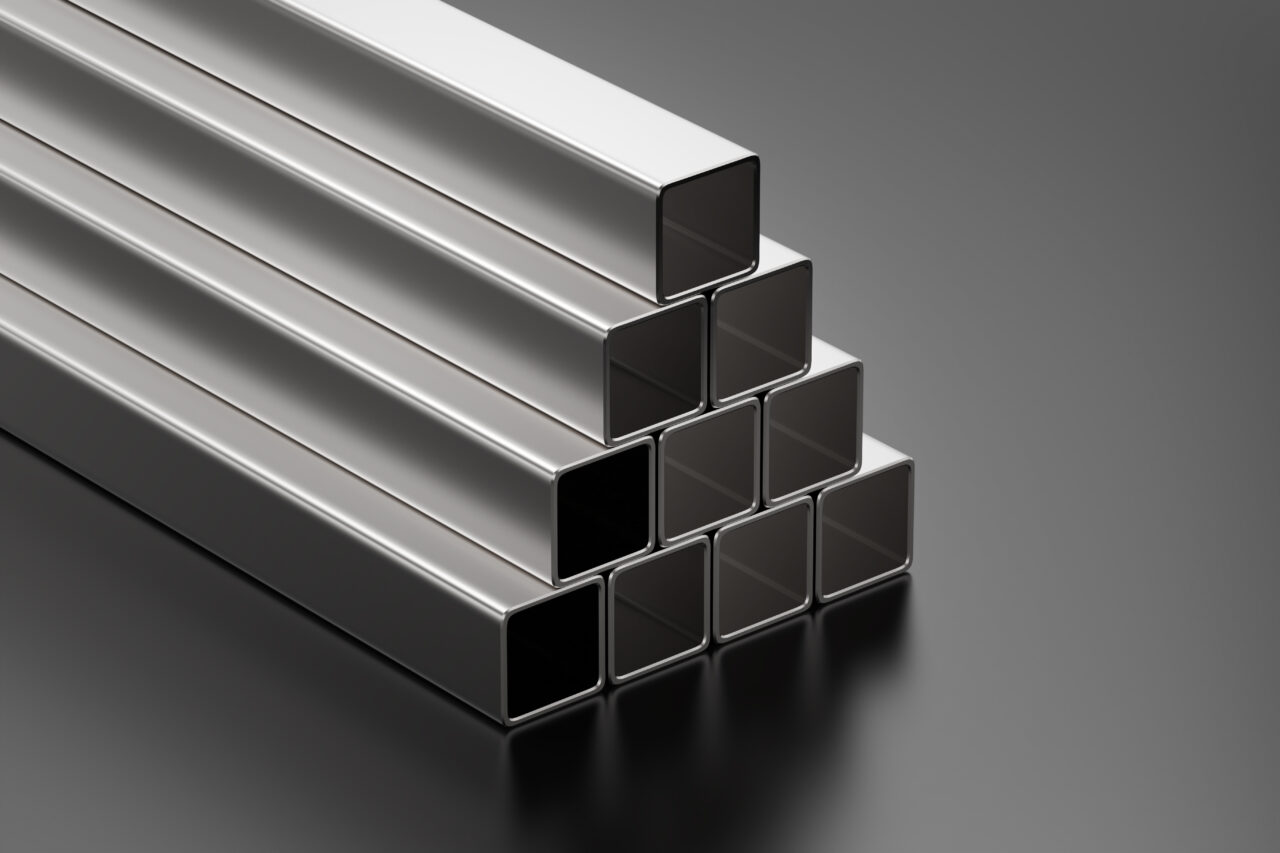
The best corrosion-resistant materials for marine environments are high-quality stainless steel products, particularly those containing higher levels of chromium, nickel, and molybdenum. Austenitic stainless steels (like 316/316L) and duplex stainless steels offer excellent resistance to the harsh conditions found in marine settings. Duplex and lean duplex stainless steel grades provide an exceptional combination of corrosion resistance and mechanical strength, making them ideal for structural applications in aggressive saltwater environments. Their unique properties ensure structural integrity and significantly extended service life while reducing maintenance costs.
Understanding corrosion challenges in marine environments
Marine environments present some of the most demanding conditions for structural materials due to constant exposure to salt spray, high humidity, and fluctuating temperatures. These factors accelerate corrosion processes, particularly in the presence of chloride ions found in seawater, which can penetrate protective barriers and initiate localised corrosion.
The combination of salt, moisture, and oxygen creates perfect conditions for electrochemical reactions that drive corrosion. Additionally, marine structures often face galvanic corrosion when dissimilar metals come into contact in the presence of an electrolyte like seawater, creating a natural battery effect that accelerates deterioration.
Material selection becomes critical as the harsh marine environment can compromise structural integrity through various corrosion mechanisms, including pitting, crevice corrosion, and stress corrosion cracking. Selecting appropriate corrosion-resistant materials is not merely about preventing surface deterioration—it’s essential for maintaining structural safety, reducing maintenance costs, and ensuring long-term performance in these challenging conditions.
Why is stainless steel ideal for marine applications?
Stainless steel excels in marine applications due to its inherent ability to form a self-healing passive layer of chromium oxide on its surface. This microscopic barrier protects the underlying metal from corrosive attack, continuously renewing itself when damaged to provide ongoing corrosion resistance in aggressive marine environments.
The corrosion resistance of stainless steel increases with higher chromium content, with marine-grade stainless steels typically containing a minimum of 18% chromium. The addition of molybdenum further enhances resistance to pitting and crevice corrosion caused by chloride ions in seawater, while nickel improves overall corrosion resistance and mechanical properties.
Unlike many other materials that deteriorate quickly in marine settings, high-quality stainless steel maintains its structural integrity and appearance with minimal maintenance requirements. This translates to lower lifecycle costs despite higher initial investment, making stainless steel the economical choice for marine applications when considering long-term performance and maintenance expenses.
What makes duplex and lean duplex stainless steel superior for marine structures?
Duplex and lean duplex stainless steels offer exceptional performance in marine environments due to their unique dual-phase microstructure combining austenitic and ferritic properties. This structure provides twice the yield strength of standard austenitic grades while maintaining excellent corrosion resistance, creating an ideal material for marine structural applications.
The balanced composition of these steels delivers superior resistance to stress corrosion cracking and pitting corrosion—critical failure mechanisms in marine environments. Lean duplex grades provide an optimised balance of corrosion resistance and strength while using lower nickel content, offering cost advantages without compromising performance in most marine applications.
These high-performance steels enable weight reduction in structural components while maintaining or improving load-bearing capacity. The combination of high strength and excellent corrosion resistance makes duplex and lean duplex stainless steels particularly valuable for marine structures where exposure conditions are severe and structural integrity is paramount.
How do high-strength stainless steel hollow sections enhance marine structure performance?
High-strength stainless steel hollow sections provide optimal load distribution and structural stability essential for marine applications. Their closed geometry offers superior performance under compressive loads compared to open profiles, with square tubes delivering uniform strength across all axes—a critical advantage in marine structures subject to multidirectional forces.
The structural efficiency of hollow sections allows for reduced material usage while maintaining required strength parameters, resulting in lighter structures without compromising performance. This weight optimisation is particularly valuable in marine environments where reducing structural weight can significantly decrease installation complexity and operational costs.
Furthermore, the clean, smooth surfaces of stainless steel hollow sections minimise areas where water and contaminants can accumulate, reducing corrosion risk and maintenance requirements. Their aesthetic appearance remains intact over time, eliminating the need for protective coatings that would require periodic renewal in harsh marine conditions.
What factors should be considered when selecting stainless steel for specific marine applications?
When selecting stainless steel for marine applications, environmental exposure severity is the primary consideration. Different marine zones—atmospheric, splash, tidal, and continuously submerged—present varying corrosion challenges that may require specific stainless steel grades to ensure optimal performance and longevity.
Structural requirements including load conditions, deflection limits, and fatigue resistance must be evaluated alongside corrosion considerations. Higher-strength grades like duplex stainless steels often provide the ideal balance between structural performance and corrosion resistance, particularly for load-bearing applications in severe marine environments.
Other critical factors include temperature fluctuations, potential for galvanic coupling with other materials, accessibility for inspection and maintenance, and lifecycle cost considerations. Each marine application has unique requirements that influence the optimal material selection, making proper evaluation essential for maximising service life and minimising maintenance needs.
Stainless steel solutions for marine environments
High-strength stainless steel offers the optimal combination of corrosion resistance and structural performance for marine environments. Duplex and lean duplex grades particularly excel with their superior strength-to-weight ratio and exceptional resistance to chloride-induced corrosion, making them ideal for demanding marine structural applications.
Square and rectangular hollow sections provide uniform strength distribution and excellent stability under the variable loading conditions typical in marine environments. Their closed geometry eliminates internal corrosion concerns while delivering superior performance with reduced material usage compared to traditional structural profiles.
For challenging marine projects requiring corrosion-resistant materials with exceptional structural performance, selecting the right stainless steel grade and profile is critical to long-term success. Our extensive experience in marine applications enables us to provide optimal material solutions for specific project requirements. Contact our technical experts to discuss your marine application needs and discover the most effective stainless steel solution for your project.
This article was created with the help of AI and reviewed by a human. It may include mistakes.