
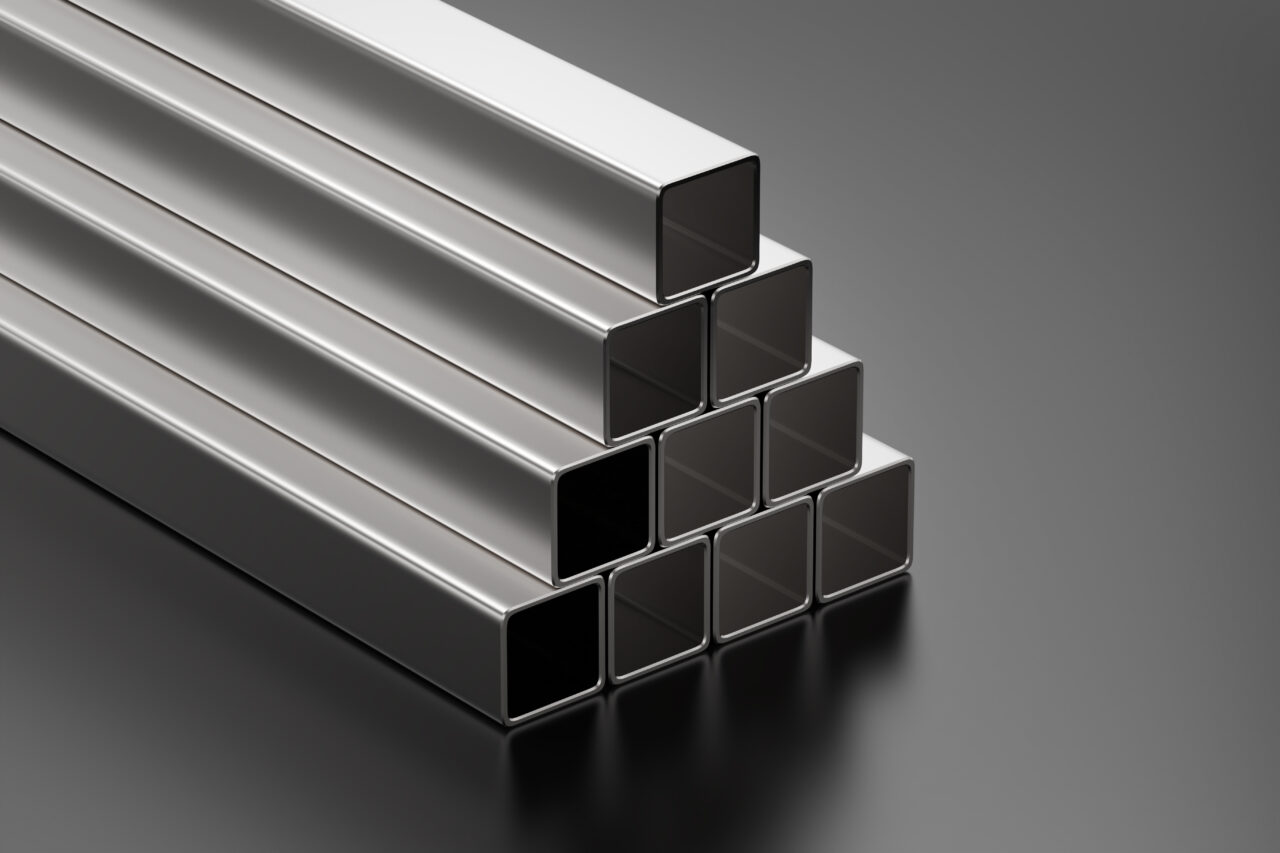
The primary difference between austenitic and duplex stainless steel in EN 1993-1-4 lies in their microstructure, mechanical properties, and corrosion resistance. Austenitic stainless steel features a single-phase microstructure with excellent formability and weldability but moderate strength. In contrast, duplex stainless steel combines austenitic and ferritic phases, offering approximately twice the yield strength of austenitic grades while maintaining good corrosion resistance. EN 1993-1-4, the Eurocode standard for structural stainless steel design, recognizes these differences by specifying distinct design values for each type.
Understanding stainless steel grades in structural applications
Material selection is a critical factor in structural engineering, particularly when designing structures exposed to demanding environments. EN 1993-1-4 provides the essential framework for designing with structural stainless steel, classifying materials based on their microstructure and performance characteristics.
The standard recognises several stainless steel families, with austenitic and duplex grades being the most prevalent in load-bearing applications. Each family offers distinct advantages: austenitic grades provide excellent ductility and ease of fabrication, while duplex grades deliver superior strength and enhanced corrosion resistance in specific environments.
Modern construction projects increasingly demand materials that combine strength, durability and sustainability—characteristics found in high-performance stainless steel. Using our Material Class Calculator, engineers can quickly determine the appropriate material class for specific structural applications based on EN 1993-1-4 requirements.
What are the key compositional differences between austenitic and duplex stainless steel?
Austenitic stainless steel typically contains 16-26% chromium, 8-22% nickel, and minimal carbon. This composition creates a single-phase microstructure that delivers excellent ductility and toughness. The high nickel content stabilises the austenitic phase, providing exceptional formability at room temperature.
Duplex stainless steel features a balanced two-phase microstructure of approximately 50% austenite and 50% ferrite. It contains 21-26% chromium, 1-8% nickel, and often includes nitrogen and molybdenum additions. The dual-phase structure results from lower nickel content compared to austenitic grades, with nitrogen added to promote austenite formation.
This compositional difference fundamentally affects mechanical properties. Duplex grades, particularly lean duplex varieties, derive their superior strength from the ferrite phase while maintaining good corrosion resistance through elevated chromium content. The combination creates an ideal balance of properties for structural applications requiring both strength and durability.
How do mechanical properties differ between austenitic and duplex stainless steel according to EN 1993-1-4?
EN 1993-1-4 establishes distinct design values for austenitic and duplex stainless steels, reflecting their fundamental mechanical differences. The most significant distinction is in yield strength: duplex grades typically offer 400-550 MPa yield strength, approximately twice the yield strength of austenitic grades (210-300 MPa).
This strength advantage makes duplex stainless steel particularly valuable for structural applications where load-bearing capacity and weight reduction are critical considerations. Hollow sections and I-beams manufactured from duplex grades can support equivalent loads with significantly less material, enhancing both economic and environmental sustainability.
Elongation properties also differ notably between the types. While austenitic grades typically offer 40-60% elongation, providing excellent formability, duplex grades deliver 20-30% elongation—still sufficient for most fabrication requirements while offering substantially improved strength.
What are the corrosion resistance differences between these stainless steel types?
Both austenitic and duplex stainless steels offer excellent corrosion resistance, but their performance varies across different environments. Austenitic grades excel in atmospheric and mild industrial settings, providing reliable general corrosion resistance in moderate conditions.
Duplex stainless steel typically demonstrates superior resistance to stress corrosion cracking and pitting, particularly in chloride-containing environments. This advantage stems from their higher chromium content and the beneficial effects of nitrogen additions, resulting in a higher Pitting Resistance Equivalent Number (PREN).
For structural applications in aggressive environments such as coastal installations or chemical processing facilities, duplex stainless steel often provides the optimal balance of corrosion resistance and mechanical strength. The enhanced durability in challenging environments directly translates to longer service life and reduced maintenance requirements.
How do you select between austenitic and duplex stainless steel for structural applications?
Selection between austenitic and duplex stainless steel depends primarily on structural requirements, environmental conditions, and economic considerations. For applications requiring maximum formability with moderate strength in non-aggressive environments, austenitic grades offer excellent value.
When designing load-bearing structures where weight reduction is beneficial, high-strength stainless steel hollow sections in duplex grades provide significant advantages. Their superior strength-to-weight ratio enables more efficient designs, particularly in challenging environments where corrosion resistance is critical.
Consider the total lifecycle cost rather than focusing solely on initial material expense. Duplex stainless steel may have a higher upfront cost but often delivers superior value through reduced material requirements, longer service life, and minimal maintenance needs—especially in demanding environments.
Austenitic versus duplex stainless steel selection
The fundamental difference between austenitic and duplex stainless steel lies in their microstructure and resulting properties. Austenitic grades offer excellent formability and good corrosion resistance with moderate strength, while duplex grades provide superior strength and enhanced corrosion resistance in specific environments.
For structural applications according to EN 1993-1-4, duplex stainless steel hollow sections and profiles deliver significant advantages when high strength combined with good corrosion resistance is required. The approximately doubled yield strength compared to austenitic grades enables more efficient material utilisation and potentially lighter structures.
For optimal material selection based on your specific requirements, use our Material Class Calculator to determine the appropriate stainless steel grade according to EN 1993-1-4. Need further assistance with your stainless steel structural design? Contact our experts for personalised guidance on selecting the ideal high-strength stainless steel solution for your application.
This article was created with the help of AI and reviewed by a human. It may include mistakes.