
Stalatube’s Material class calculator is an advanced tool designed to help engineers and project managers select the optimal stainless steel grade for specific corrosive environments. By analysing environmental conditions such as chemical exposure, temperature, and location parameters, the calculator provides precise material recommendations that ensure structural integrity while preventing premature corrosion failures. This science-based approach removes guesswork from material selection, ultimately extending infrastructure lifespan and reducing long-term maintenance costs in demanding industrial applications.
Understanding the importance of material selection for corrosion resistance
Selecting the right material for structures exposed to corrosive environments is not merely a technical decision—it’s a critical factor that directly impacts safety, operational costs, and infrastructure longevity. When inappropriate stainless steel grades are chosen, the consequences can be severe and far-reaching.
Premature structural failure is perhaps the most serious risk, potentially compromising safety and requiring costly emergency replacements. Even before catastrophic failure occurs, inappropriate material selection leads to accelerated corrosion rates, necessitating frequent maintenance interventions and driving up lifetime ownership costs significantly.
The complexity of corrosion mechanisms—from galvanic corrosion to stress corrosion cracking—demands a scientific approach to material selection. Environmental factors including chloride concentration, temperature fluctuations, pH levels, and chemical exposure all interact to create unique corrosion challenges in each application. Using the Material class calculator helps navigate these complexities by providing clear, data-driven recommendations for your specific conditions.
What is Stalatube’s Material class calculator?
The Material class calculator is a sophisticated engineering tool that translates complex metallurgical science into practical material selection guidance. It functions as a decision-support system that analyses environmental parameters to determine the appropriate corrosion resistance classification needed for a specific application.
At its core, the calculator evaluates the corrosivity of different environments based on established corrosion science principles. Users input specific environmental conditions—such as exposure to industrial atmospheres, marine environments, or chemical processing facilities—and the calculator processes these variables through corrosion resistance algorithms.
What distinguishes this tool is its ability to consider multiple corrosion mechanisms simultaneously, including uniform corrosion, pitting corrosion, and stress corrosion cracking. The calculator then categorises these complex interactions into practical material classes that correspond directly to specific stainless steel grades. This systematic approach eliminates the uncertainty typically associated with material selection in challenging environments, ensuring optimal performance without unnecessary over-specification.
How does the Material class calculator determine corrosion resistance?
The Material class calculator employs a multi-parameter analysis methodology that evaluates several critical environmental factors to determine appropriate material recommendations. It begins by assessing fundamental environmental conditions including ambient temperature, humidity levels, and atmospheric characteristics.
The calculator then incorporates specific exposure parameters such as chloride concentration, presence of industrial pollutants, and proximity to marine environments. For more demanding applications, it evaluates additional factors such as:
- Chemical exposure types and concentrations
- Temperature cycling frequency
- pH levels in the operational environment
- Mechanical stress conditions
These parameters are processed through corrosion resistance algorithms that calculate the Pitting Resistance Equivalent Number (PREN) and other metallurgical indices. The calculator then translates these technical values into straightforward material class recommendations, matching the environmental challenges with the appropriate stainless steel grade that offers optimal corrosion resistance while avoiding costly over-specification.
What are the benefits of using high-strength stainless steel in corrosive environments?
High-strength stainless steels, particularly lean duplex stainless steel (LDX), offer an exceptional combination of corrosion resistance and structural performance. This dual benefit creates significant advantages in demanding applications where both environmental challenges and mechanical loads must be addressed simultaneously.
The superior strength-to-weight ratio of these materials enables substantial weight reductions in structural designs—often allowing 30% less material while maintaining equivalent load-bearing capacity. This translates directly into reduced material costs and lower transport and installation expenses.
From a sustainability perspective, lean duplex stainless steel delivers compelling benefits. Its extended service life minimises replacement frequency, while its complete recyclability ensures minimal environmental impact at end-of-life. Additionally, the reduced material requirements contribute to lower carbon footprints for projects, aligning with increasingly stringent environmental regulations and corporate sustainability initiatives.
How do Stalatube’s hollow sections provide both corrosion resistance and structural stability?
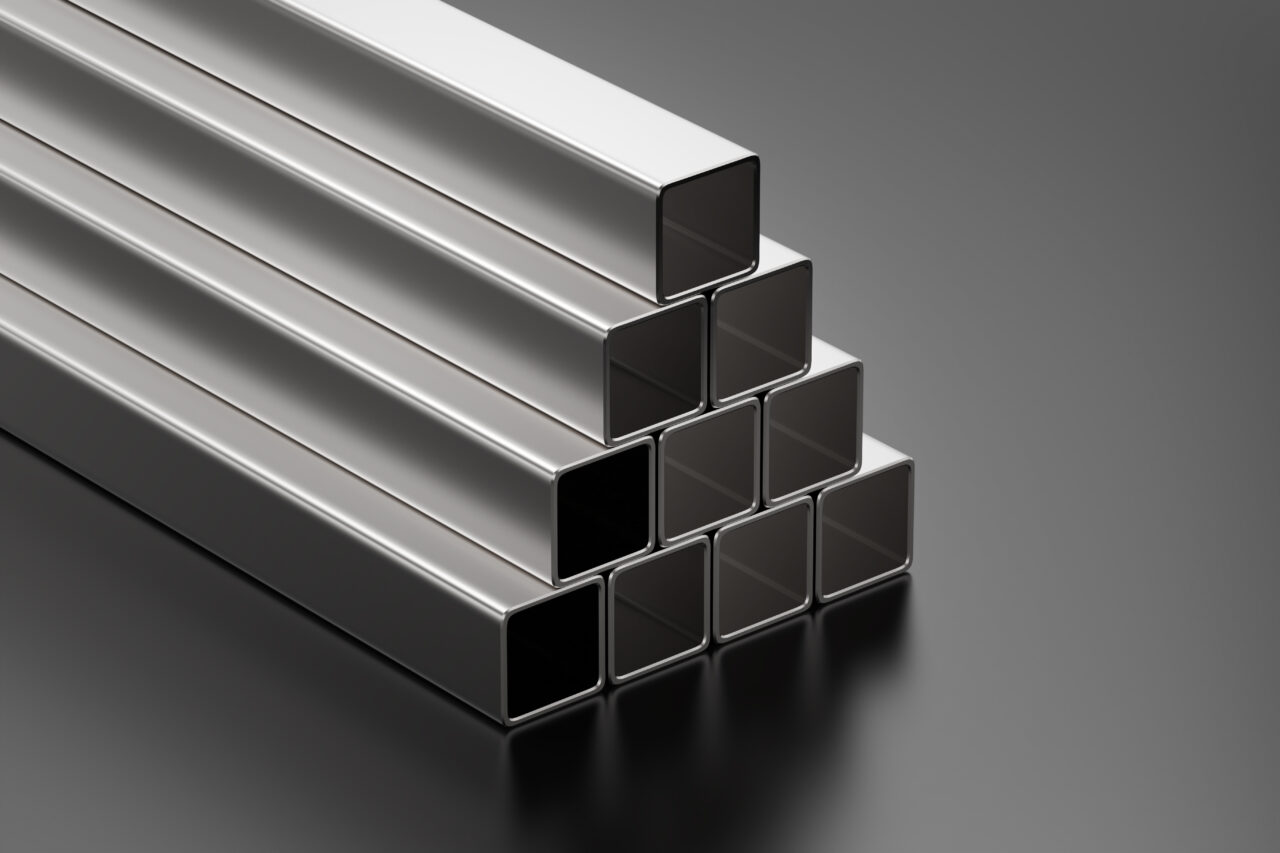
Stalatube’s stainless steel hollow sections achieve their distinctive combination of corrosion resistance and structural performance through precise manufacturing processes and metallurgical expertise. The production methods—specifically roll forming and press braking—create finished products with uniform mechanical properties throughout the profile.
Square and rectangular hollow sections provide exceptional strength characteristics with uniform load distribution across all axes. This geometric advantage makes them particularly effective under compressive loads, where they demonstrate superior buckling resistance compared to open profiles. The closed structure also prevents internal corrosion by eliminating hidden surfaces where moisture and contaminants might accumulate.
The manufacturing process maintains the inherent corrosion resistance of the stainless steel by preserving the protective passive layer. This ensures consistent performance even in challenging environments like coastal installations, chemical processing facilities, or water treatment plants, where the combination of structural requirements and corrosive conditions demands exceptional material performance.
Maximizing structural performance through optimal material selection
Proper material selection represents the foundation of successful structural design in corrosive environments. The Material class calculator transforms this complex decision process into a straightforward, science-based methodology that ensures appropriate material specification for specific environmental challenges.
By selecting the optimal stainless steel grade—neither underspecified nor unnecessarily premium—engineers can achieve the ideal balance of performance, longevity, and cost-effectiveness. This approach maximizes return on investment while ensuring structures maintain their integrity throughout their intended service life.
For infrastructure projects in demanding environments, the combination of high-strength stainless steel hollow sections with proper material class selection creates structures that deliver exceptional long-term value. To determine the optimal material class for your specific application, use our Material class calculator for science-based recommendations that ensure both structural integrity and corrosion resistance. For personalized assistance with your specific application requirements, contact our materials experts for detailed guidance.
This article was created with the help of AI and reviewed by a human. It may include mistakes.