
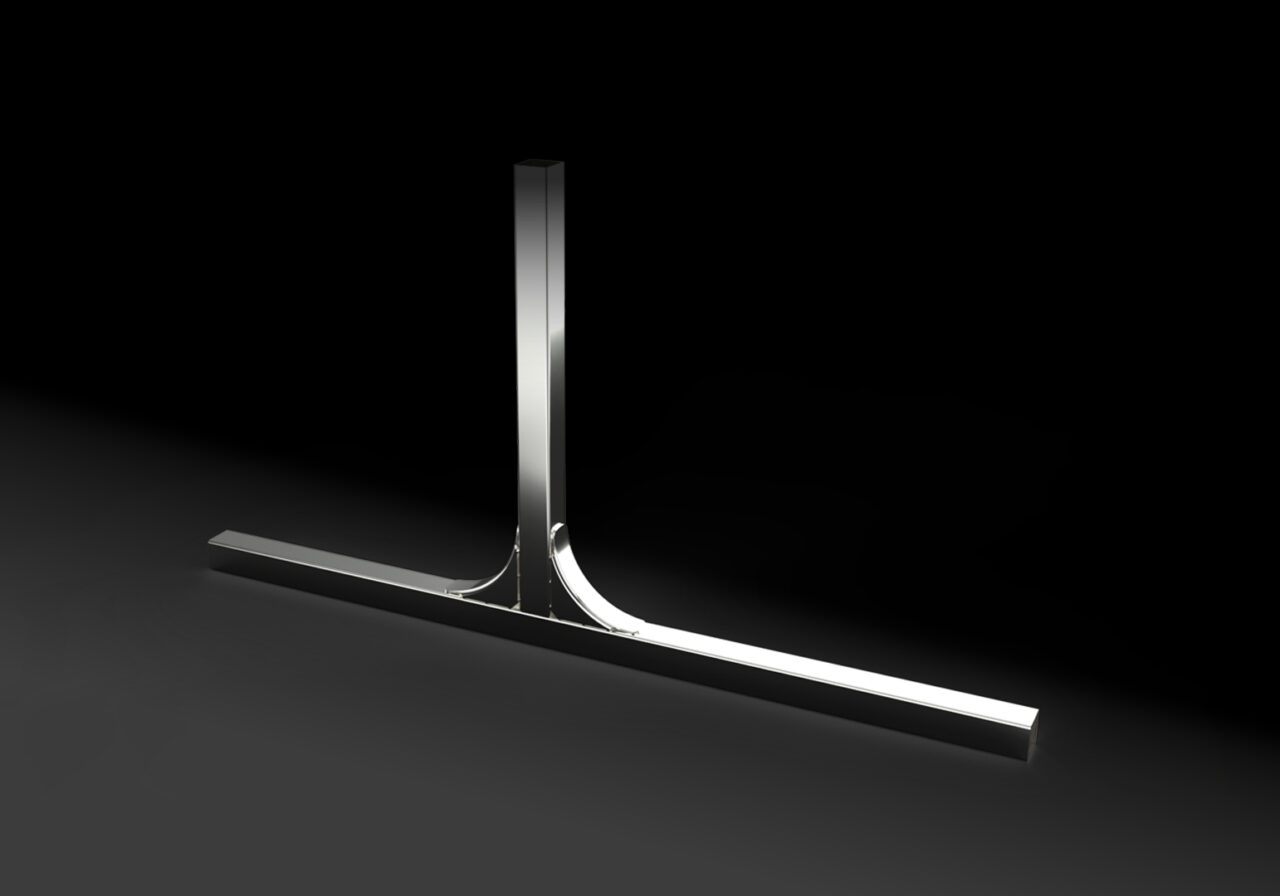
Protecting stainless steel from chloride corrosion requires a multi-faceted approach focusing on proper material selection, thoughtful structural design, and regular maintenance. Chloride-induced corrosion typically manifests as pitting, crevice formation, or stress corrosion cracking, compromising the material’s integrity and appearance. The key to prevention lies in selecting high-strength grades with superior corrosion resistance, implementing designs that prevent chloride accumulation, and establishing effective cleaning protocols that preserve the passive protective layer on the steel’s surface.
Understanding chloride corrosion in stainless steel
Chloride corrosion in stainless steel occurs when chloride ions penetrate the protective passive layer (chromium oxide film) that naturally forms on stainless steel surfaces. This penetration initiates three primary types of damage: pitting corrosion (small, deep holes), crevice corrosion (deterioration in tight spaces), and stress corrosion cracking (fractures caused by tensile stress and corrosive environment).
Common environments where chloride exposure occurs include coastal areas, road salt applications, swimming pools, chemical processing facilities, and food processing environments. In these settings, salt water, deicing chemicals, and cleaning agents containing chlorides present significant corrosion risks.
Initial signs of chloride attack include small rust-coloured spots, surface discolouration, or tiny pits visible on the steel surface. If left untreated, these minor imperfections can rapidly develop into more serious structural issues. Using our Material Class Calculator can help you determine the appropriate grade for your specific chloride exposure conditions.
What makes stainless steel vulnerable to chloride attack?
Stainless steel becomes vulnerable to chloride attack when several factors compromise its passive protective layer. The most significant factors include elevated temperatures, high chloride concentration, mechanical stress, and oxygen-depleted environments. As temperatures rise above 50°C, chloride ions become increasingly aggressive, accelerating the corrosion process.
The concentration of chlorides plays a critical role, with higher levels dramatically increasing corrosion rates. When chloride concentration combines with mechanical stress, the risk of stress corrosion cracking increases substantially, especially in austenitic grades like 304/304L.
Different stainless steel grades exhibit varying resistance levels based on their chemical composition. Standard austenitic grades (300 series) offer moderate resistance, while higher-alloyed grades containing more chromium, molybdenum, and nitrogen provide enhanced protection against chloride attack.
Which stainless steel grades offer the best chloride corrosion resistance?
For environments with significant chloride exposure, lean duplex stainless steel (LDX) grades offer exceptional corrosion resistance combined with superior strength. These grades, such as LDX 2101 and 2304, provide approximately twice the yield strength of standard austenitic grades while delivering enhanced resistance to pitting and crevice corrosion.
Super duplex grades (e.g., 2507) and super austenitic grades (e.g., 904L, 254 SMO) offer the highest chloride resistance for extremely aggressive environments like offshore applications or chemical processing. These grades contain increased levels of chromium, molybdenum, and nitrogen that significantly improve the stability of the passive layer.
Proper grade selection is crucial for chloride-rich environments, as choosing an inadequate grade can lead to premature failure and costly repairs. The initial investment in higher-alloyed grades typically results in lower lifetime costs through extended service life and reduced maintenance requirements.
How does structural design impact chloride corrosion prevention?
Proper structural design significantly reduces chloride corrosion risk by minimizing areas where moisture and chlorides can accumulate. Hollow sections and profiles should be designed with adequate drainage and ventilation to prevent water trapping and subsequent concentration of chlorides.
Square and rectangular hollow sections provide uniform strength distribution across all axes, creating structures that resist deformation while minimizing surface areas vulnerable to chloride attack. When designing with stainless steel, it’s essential to avoid creating crevices, sharp corners, or horizontal surfaces where chlorides can collect.
Well-designed stainless steel structures combine both strength and corrosion resistance through careful attention to water drainage, avoidance of dissimilar metal contact, and elimination of stagnant areas. Proper load distribution also minimizes stress points that could accelerate stress corrosion cracking in chloride environments.
What maintenance practices protect stainless steel from chloride damage?
Regular cleaning is the most effective maintenance practice for preventing chloride damage to stainless steel. In chloride-rich environments, frequent washing with clean, fresh water removes surface deposits before they can concentrate and penetrate the passive layer.
Established cleaning protocols should include:
- Regular washing with mild soap and water
- Thorough rinsing to remove all cleaning agents
- Immediate cleaning of any chloride spills or splashes
- Periodic inspection for early signs of corrosion
Avoid using chloride-containing cleaners or abrasive cleaning tools that can damage the passive layer. For industrial settings, proper documentation of cleaning schedules and inspection results helps ensure consistent protection against chloride corrosion.
Key considerations for long-term chloride corrosion protection
For maximum protection against chloride corrosion, combine appropriate material selection, thoughtful design, and consistent maintenance. Select high-strength stainless steel grades with sufficient molybdenum content based on the severity of chloride exposure in your specific application.
Implement designs that prevent chloride accumulation through proper drainage, eliminate crevices, and avoid mechanical stress concentration. Regular inspection and maintenance schedules should be established based on environmental conditions and criticality of the application.
For challenging environments, our Material Class Calculator can help you identify the optimal grade for your specific requirements. For personalized assistance with your stainless steel project in chloride-rich environments, contact our expert team for tailored recommendations that ensure long-term performance and reliability.
This article was created with the help of AI and reviewed by a human. It may include mistakes.