
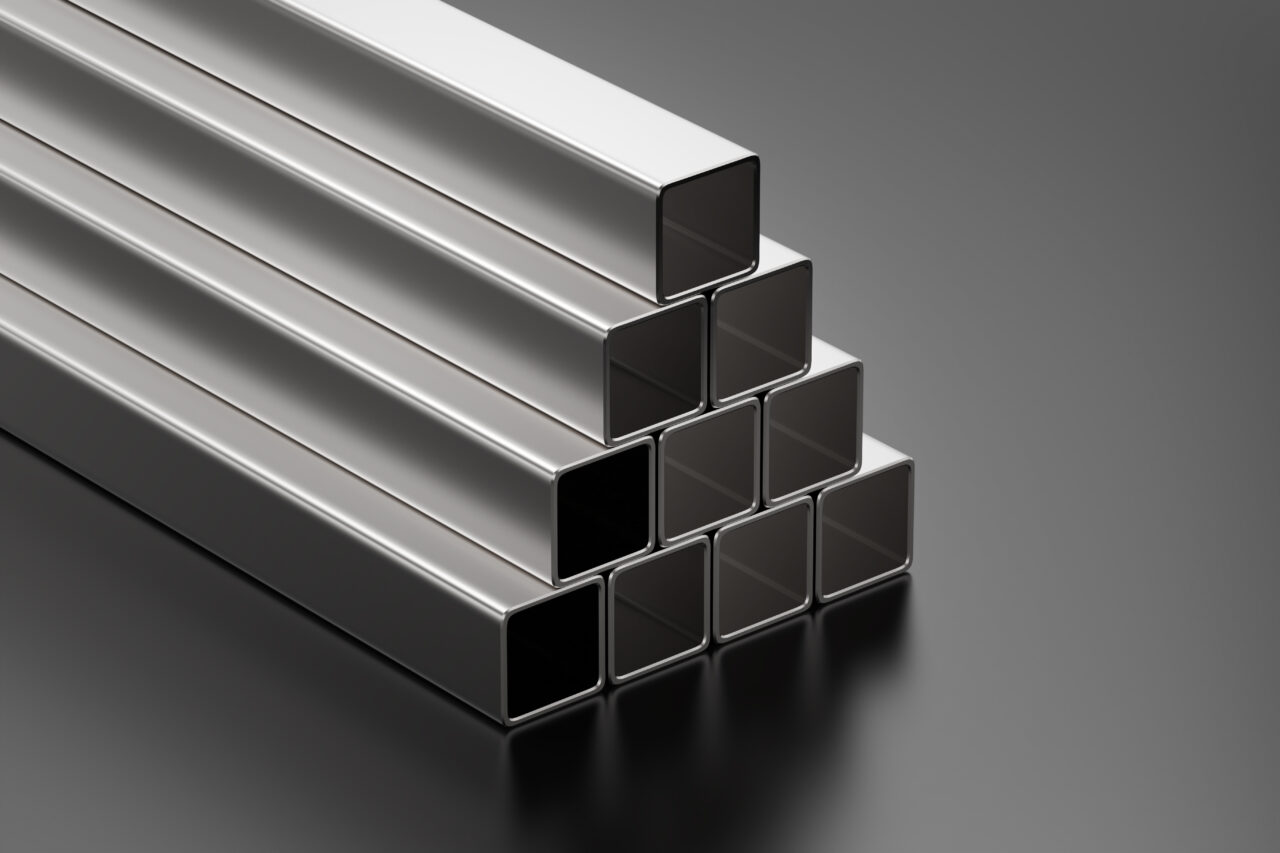
Chloride exposure in stainless steel refers to the contact between stainless steel materials and chloride ions, which can lead to localised corrosion. This phenomenon primarily affects stainless steel structures in marine environments, coastal areas, industrial settings, and places where deicing salts are used. When chloride ions penetrate the protective passive layer of stainless steel, they initiate pitting corrosion that can compromise structural integrity. The severity of chloride exposure depends on the concentration of chlorides, temperature, humidity, and the specific grade of stainless steel used.
Understanding chloride exposure in stainless steel structures
Chloride exposure represents one of the most significant threats to stainless steel structures in corrosive environments. Chloride ions, found abundantly in seawater, road salts, and certain industrial chemicals, aggressively attack the protective passive film that normally gives stainless steel its corrosion resistance.
This exposure becomes particularly concerning in coastal structures, infrastructure near roads treated with deicing salts, and industrial facilities processing chloride-containing compounds. The interaction between chloride ions and stainless steel surfaces occurs at the microscopic level, where these ions can locally break down the chromium oxide layer that protects the underlying metal.
For structural applications, understanding the risk factors associated with chloride exposure is crucial for proper material selection. Not all stainless steel grades offer equal protection against chloride attack, making it essential to match the grade to the expected environmental conditions. Need help selecting the right material for your chloride-exposure conditions? Try our Material Class Calculator to find the optimal grade for your specific environment.
What causes chloride-induced corrosion in stainless steel?
Chloride-induced corrosion in stainless steel occurs through an electrochemical process where chloride ions penetrate the protective passive layer and initiate localised attacks. This mechanism begins when chloride ions adsorb to the steel surface and compete with oxygen for space in the passive film, eventually creating weak spots.
Once the passive layer is compromised, pitting corrosion can rapidly develop. The small pit acts as an anode, while the surrounding passive surface serves as a cathode, creating a galvanic cell that accelerates corrosion. Inside these pits, conditions become increasingly acidic, further accelerating the corrosion process in a self-sustaining cycle.
Environmental factors significantly influence chloride corrosion risk. Coastal locations expose structures to airborne salt spray, while road infrastructure faces deicing salt splash. Industrial environments may introduce process chemicals containing chlorides. Higher temperatures and humidity levels generally accelerate chloride attack, while alternating wet-dry cycles can concentrate chlorides and intensify corrosion.
How does chloride exposure affect the structural integrity of stainless steel?
Chloride exposure progressively compromises the structural integrity of stainless steel through localised degradation that can spread throughout the material. Initially, pitting corrosion creates small cavities that may seem insignificant but can develop into serious structural concerns.
As corrosion advances, these pits become stress concentration points that substantially reduce the effective cross-sectional area of structural components. In load-bearing applications, this reduction directly affects the element’s capacity to withstand design loads. For hollow sections, uniform strength distribution—a key advantage of square and rectangular profiles—becomes compromised as pits create irregular stress patterns.
The long-term stability of chloride-affected stainless steel structures is concerning because corrosion often progresses undetected beneath surface deposits or within concealed areas. This hidden deterioration can lead to unexpected structural failures, particularly in environments with fluctuating chloride exposure or where stainless steel members experience cyclical loading.
Which stainless steel grades offer the best resistance to chloride exposure?
Stainless steel grades with higher chromium, molybdenum, and nitrogen content generally provide superior resistance to chloride exposure. Lean duplex (LDX) stainless steel stands out as an exceptional choice for chloride-rich environments, offering excellent corrosion resistance while maintaining high strength capabilities.
Austenitic grades like 316/316L with 2-3% molybdenum content provide good chloride resistance for many applications, but duplex stainless steels (such as 2205 and LDX 2101) often outperform them in challenging environments. These duplex grades combine the advantages of both austenitic and ferritic structures, delivering outstanding resistance to pitting and crevice corrosion.
The superior performance of high-strength stainless steel grades in chloride environments stems from their balanced chemical composition. Not only do these grades resist corrosive attack, but they also maintain excellent load-bearing capacity and structural stability with relatively low weight—making them ideal for demanding structural applications in marine or industrial settings.
How can you prevent chloride damage in stainless steel structures?
Preventing chloride damage begins with proper material selection based on the specific environmental conditions. For environments with moderate to high chloride exposure, selecting high-performance grades like lean duplex stainless steel provides fundamental protection against corrosion initiation.
Design considerations play a critical role in mitigating chloride effects. Avoiding water traps, ensuring proper drainage, minimizing crevices, and designing for easy cleaning all help prevent chloride concentration on surfaces. Additionally, maintaining adequate thickness margins can accommodate potential material loss over the structure’s design life.
Manufacturing processes significantly influence corrosion resistance. Our roll forming and press braking techniques create high-integrity products with consistent properties throughout. Regular maintenance practices, including routine inspections and cleaning with appropriate non-chloride cleaning agents, further extend service life in challenging environments.
Managing chloride exposure in stainless steel applications
Managing chloride exposure effectively requires a comprehensive approach centered on material selection tailored to specific environmental conditions. The importance of choosing appropriate high-strength stainless steel grades cannot be overstated, as they form the foundation of long-term structural integrity in chloride-rich environments.
Environmental assessment should drive design decisions, with more severe conditions warranting higher-performance materials like lean duplex stainless steel. These grades deliver exceptional corrosion resistance while maintaining mechanical properties essential for structural applications.
For optimal long-term performance in challenging environments, combine appropriate material selection with thoughtful design practices and regular maintenance. Our Material Class Calculator can help you identify the ideal stainless steel grade for your specific chloride exposure conditions. For expert guidance on selecting the right stainless steel solution for your project, contact our team today.
This article was created with the help of AI and reviewed by a human. It may include mistakes.