
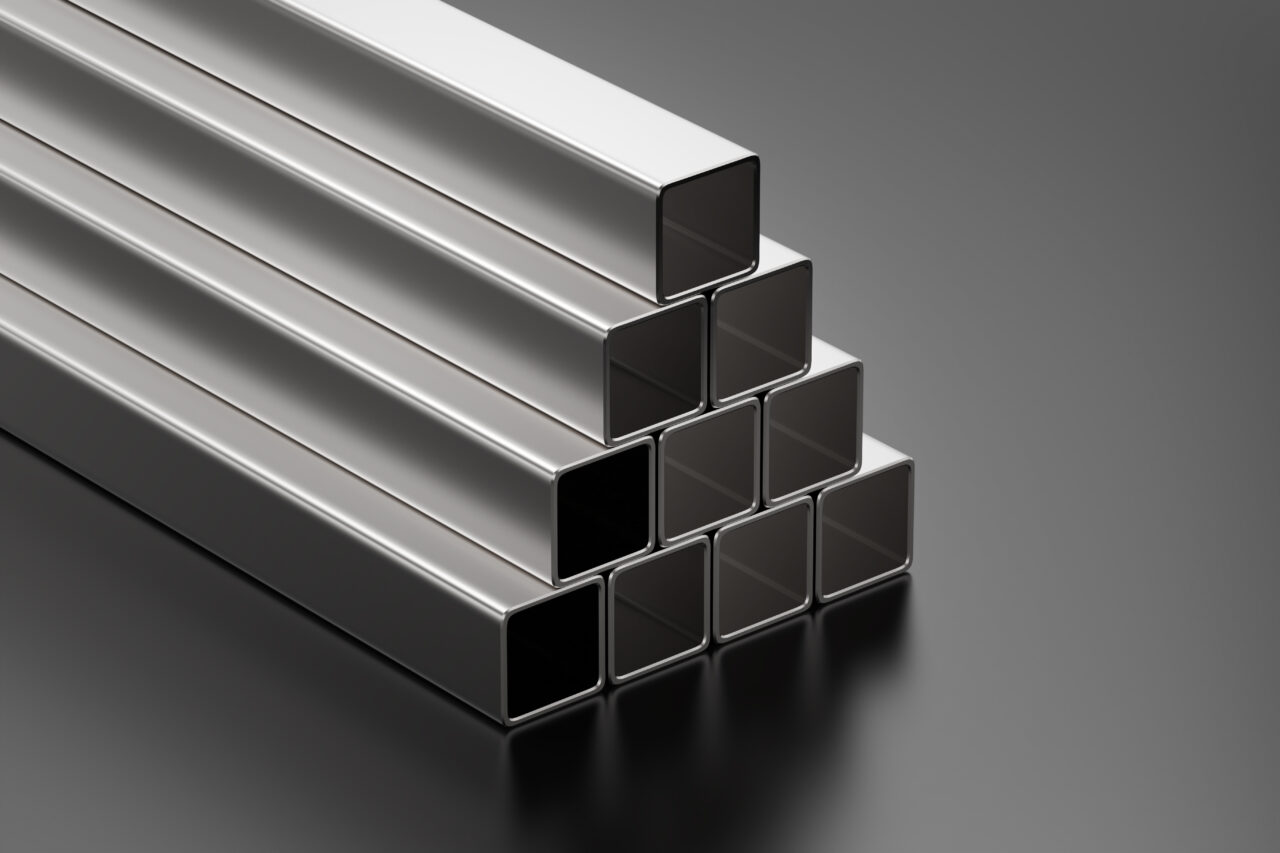
Industry-leading approaches to combat saltwater corrosion focus on using high-strength stainless steel solutions with specific corrosion-resistant properties. The most effective strategies incorporate lean duplex stainless steel (LDX) which provides superior resistance to chloride attack while maintaining structural integrity in aggressive marine environments. Square and rectangular hollow sections manufactured through roll forming or press braking offer uniform strength distribution and exceptional load-bearing capacity, critical for marine infrastructure longevity.
Understanding the challenge of saltwater corrosion
Saltwater corrosion represents one of the most destructive forces facing marine infrastructure worldwide. The combination of salt, moisture, and oxygen creates an exceptionally aggressive environment that accelerates metal degradation, leading to structural failure and costly replacements. This electrochemical process attacks standard metals relentlessly, with chloride ions penetrating protective layers and initiating localised corrosion.
The economic impact of marine corrosion is staggering, with billions spent annually on maintenance, repair, and replacement of affected structures. In coastal and offshore applications, from oil platforms to harbour infrastructure, the need for corrosion-resistant structural materials has never been more critical. Conventional materials fail prematurely in these environments, compromising safety and increasing lifetime costs.
The challenge extends beyond immediate structural integrity to long-term sustainability concerns. Finding materials that can withstand these conditions while maintaining their mechanical properties is essential for developing resilient marine infrastructure. Our approach focuses on materials specifically engineered to thrive in these challenging conditions. Find the right material for your specific environment with our Material Class Calculator.
Why is stainless steel effective against saltwater corrosion?
Stainless steel’s exceptional resistance to saltwater corrosion stems from its unique metallurgical properties. At its core, this resistance comes from the protective chromium oxide layer that forms spontaneously on the surface when exposed to oxygen. This passive film, invisible to the naked eye, acts as a barrier that prevents oxygen and moisture from reaching the underlying metal, effectively halting the corrosion process.
The effectiveness of stainless steel in marine environments increases with chromium content, typically starting at 10.5% but reaching optimal performance at higher percentages. Additional alloying elements like nickel and molybdenum further enhance this resistance by stabilising the passive layer and improving its regenerative properties when damaged. Molybdenum is particularly important for resistance to chloride attack – the primary corrosion mechanism in saltwater environments.
High-strength stainless steel formulations maintain their structural integrity even in the most aggressive marine conditions. This combination of strength and corrosion resistance makes stainless steel uniquely suited for load-bearing applications in saltwater environments, where both mechanical performance and durability are non-negotiable requirements.
What makes lean duplex stainless steel (LDX) superior for marine applications?
Lean duplex stainless steel (LDX) represents a significant advancement in marine-grade materials, offering enhanced corrosion resistance compared to conventional stainless steels. Its dual-phase microstructure – combining both austenitic and ferritic grain structures – provides the perfect balance of strength, formability and corrosion resistance. This unique composition delivers superior resistance to stress corrosion cracking, a common failure mode in chloride-rich environments.
The superior strength-to-weight ratio of LDX translates to substantial material savings in structural applications. With approximately twice the yield strength of standard austenitic grades, LDX allows for thinner wall sections and lighter components without compromising performance or safety margins. This weight reduction contributes to sustainability through reduced material usage and lower transportation costs.
LDX also demonstrates excellent structural stability under varying temperature conditions and mechanical loads, making it ideal for load-bearing applications in dynamic marine environments. Our expertise in LDX manufacturing ensures consistent quality and performance for critical marine infrastructure that must withstand decades of saltwater exposure.
How do stainless steel hollow sections perform under marine conditions?
Stainless steel hollow sections deliver exceptional performance in marine environments due to their uniform strength distribution across all axes. This structural characteristic makes them ideal for compressive load applications commonly found in marine infrastructure. Square and rectangular sections provide superior torsional resistance compared to open profiles, maintaining their structural integrity even when subjected to complex loading patterns in offshore applications.
The manufacturing process for these hollow sections, through precise roll forming or press braking, ensures consistent material properties throughout the profile. This uniformity eliminates weak points that could become corrosion initiation sites in aggressive saltwater environments. The closed profile design also prevents internal corrosion by eliminating spaces where moisture and contaminants can accumulate.
In marine conditions, these hollow sections maintain their mechanical properties despite long-term exposure to saltwater, temperature fluctuations, and mechanical stress. Their superior stability under these demanding conditions translates to longer service life, reduced maintenance requirements, and lower lifetime costs for marine structures.
What factors should be considered when selecting stainless steel for saltwater environments?
Selecting the appropriate stainless steel grade for saltwater environments requires careful consideration of several critical factors. Chloride concentration tops the list, as higher levels significantly increase corrosion risk and may necessitate more resistant grades with higher molybdenum content. Temperature also plays a crucial role, with corrosion rates accelerating at higher temperatures and in splash zones where wet-dry cycling occurs.
Mechanical stress factors must be evaluated alongside corrosion resistance. Understanding the specific loads, vibrations, and potential for stress concentration ensures appropriate material selection that prevents premature failure. Different applications within the same marine environment may require different grades based on their specific exposure conditions and structural requirements.
Determining the optimal stainless steel grade for specific marine applications can be complex. Our Material Class Calculator helps navigate these decisions by evaluating your specific environmental conditions and performance requirements. Try our Material Class Calculator to identify the most suitable stainless steel solution for your marine project.
Effective saltwater corrosion prevention
The most effective approach to combating saltwater corrosion combines material selection with thoughtful design principles. High-strength stainless steel solutions, particularly lean duplex grades, provide the optimal balance of corrosion resistance, structural performance, and long-term value for marine applications. Their inherent resistance to chloride attack addresses the primary corrosion mechanism in saltwater environments.
Stainless steel hollow sections manufactured through precision processes offer uniform strength distribution and exceptional stability under compression, making them ideal structural elements for marine infrastructure. The closed profile design eliminates internal corrosion concerns, while the inherent corrosion resistance of the material ensures long-term performance in aggressive environments.
With over 50 years of experience providing corrosion-resistant structural materials, we understand the critical balance between performance, longevity, and value in marine applications. For personalized guidance on selecting the optimal stainless steel solution for your specific marine environment, contact our team of specialists today.
This article was created with the help of AI and reviewed by a human. It may include mistakes.