
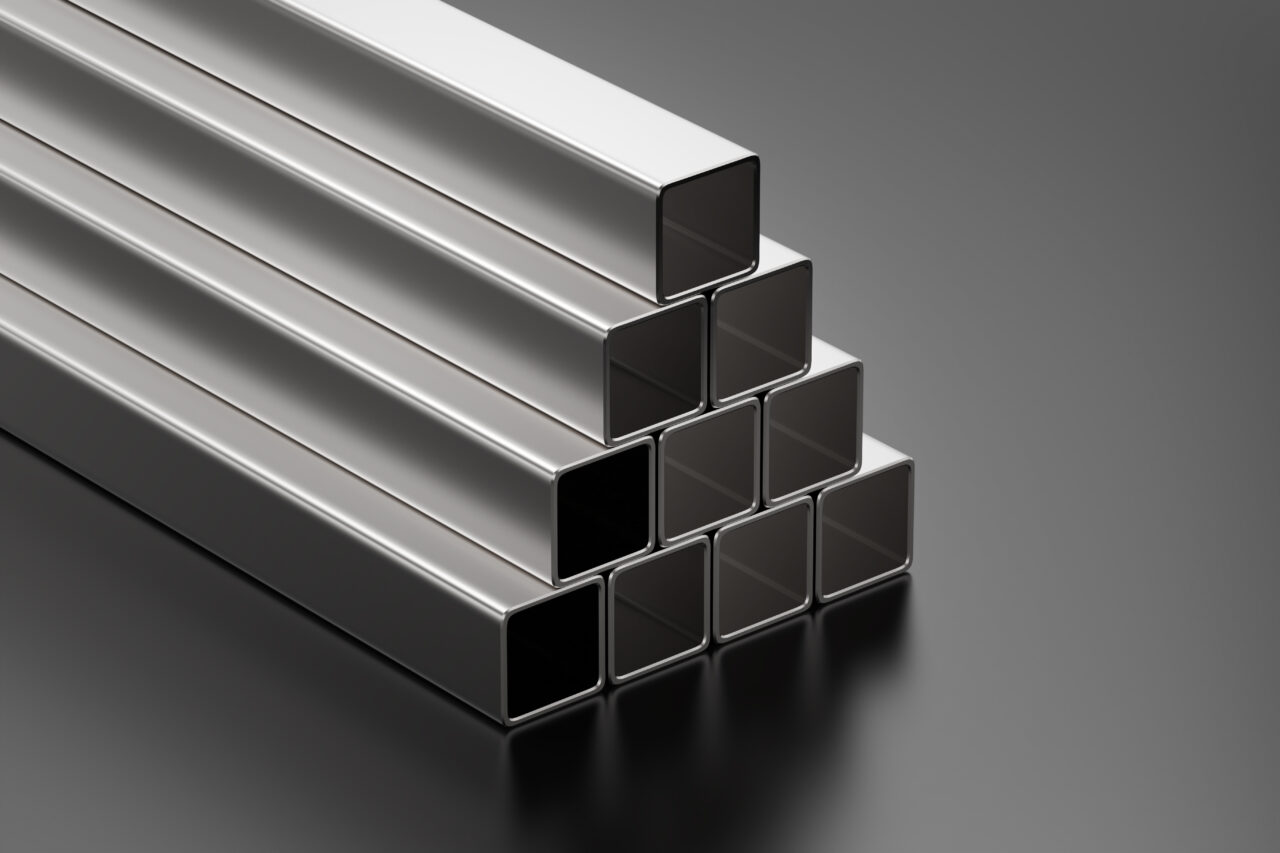
Stainless steel 1.4003 is a ferritic grade that offers exceptional corrosion resistance combined with excellent structural durability. With approximately 11% chromium content, it forms a protective passive layer that shields against atmospheric corrosion while maintaining good mechanical properties. This cost-effective material bridges the gap between carbon steel and higher-grade stainless steels, making it ideal for structural applications where moderate corrosion resistance is required. Its superior strength-to-weight ratio and weldability make it particularly valuable in construction, transportation, and infrastructure projects where long-term performance is essential.
Understanding stainless steel 1.4003: Properties and applications
Stainless steel 1.4003 (also known as 3CR12 or X2CrNi12) is a ferritic stainless steel that contains approximately 11-12% chromium with small additions of nickel and manganese. This composition gives it enhanced corrosion resistance compared to carbon steel while maintaining excellent mechanical properties, including good tensile strength and ductility.
The chemical composition of 1.4003 makes it particularly suitable for applications requiring moderate corrosion resistance combined with structural strength. Common applications include structural elements in buildings, transportation equipment, storage tanks, and various infrastructure components exposed to mildly corrosive environments.
Our high-strength stainless steel hollow sections manufactured from 1.4003 are formed through precise roll forming or press braking techniques, ensuring consistent dimensional accuracy and superior structural integrity. Need help determining if 1.4003 is suitable for your specific environment? Try our Material Class Calculator to identify the optimal stainless steel grade for your application.
What is the corrosion resistance of stainless steel 1.4003?
Stainless steel 1.4003 offers moderate corrosion resistance that significantly outperforms carbon steel in most environments. Its corrosion resistance stems primarily from its chromium content (approximately 11-12%), which forms a thin, transparent passive layer of chromium oxide on the surface that protects the underlying metal from corrosion.
This grade performs well in mildly corrosive atmospheric conditions, including rural, urban, and light industrial environments. It shows good resistance to condensation, alkaline solutions, and organic acids. However, it is less resistant to chloride-rich environments (such as coastal areas or road salt exposure) compared to austenitic grades like 304/316.
In practical terms, 1.4003 maintains its integrity without significant surface deterioration in environments where carbon steel would rapidly corrode, while being more economical than higher-alloyed stainless steel grades. This balance makes it an excellent choice for structural applications requiring moderate corrosion resistance with cost efficiency.
How does stainless steel 1.4003 perform in structural applications?
In structural applications, stainless steel 1.4003 delivers excellent performance with a yield strength typically ranging from 280-320 MPa, making it suitable for load-bearing structures. Our hollow sections made from this grade provide uniform strength distribution across all axes, which is particularly advantageous under compressive loads.
One of the key benefits of 1.4003 in structural applications is its ability to maintain mechanical properties over a wide temperature range without becoming brittle at low temperatures. This makes it suitable for various climate conditions while providing the necessary structural integrity and stability.
Our stainless steel hollow sections support large loads while maintaining stability with relatively low weight. This strength-to-weight advantage allows for structural designs that require less material overall, potentially reducing total project costs while maintaining necessary performance requirements.
What are the advantages of using 1.4003 in architectural projects?
Using stainless steel 1.4003 in architectural projects offers multiple advantages, primarily its excellent long-term durability with minimal maintenance requirements. Unlike carbon steel, it doesn’t require protective coatings or regular repainting, resulting in lower lifecycle costs and reduced maintenance schedules.
The aesthetic qualities of 1.4003 are also appealing for architectural applications. While not as bright as austenitic grades, it maintains a consistent appearance over time, developing a uniform patina rather than the unsightly rust that occurs with carbon steel. This makes it particularly suitable for exposed structural elements where appearance matters.
Our high-strength hollow sections contribute to design flexibility, allowing architects to create visually impressive structures that maintain their integrity and appearance throughout their service life. The material’s good formability and weldability further enhance design possibilities while ensuring structural soundness.
How does stainless steel 1.4003 compare to other grades?
When compared to other stainless steel grades, 1.4003 occupies a strategic middle ground between carbon steel and higher-alloyed stainless steels. It offers significantly better corrosion resistance than carbon steel at a lower cost than austenitic grades like 304/316 or duplex grades, making it an economical choice for many applications.
Mechanically, 1.4003 has higher yield strength than basic austenitic grades like 304, though it lacks the exceptional corrosion resistance of grades with higher chromium content or molybdenum additions. Its magnetic properties (being a ferritic grade) can be advantageous in certain applications where austenitic grades’ non-magnetic properties would be unsuitable.
The optimal choice between 1.4003 and other grades depends on specific environmental conditions, load requirements, and budget constraints. For environments with moderate corrosivity where structural performance is important, 1.4003 often represents the most cost-effective solution.
Making the right choice with stainless steel 1.4003
Stainless steel 1.4003 offers an excellent balance of corrosion resistance, structural durability, and cost-effectiveness for applications in moderately corrosive environments. Its approximately 11% chromium content provides significant protection against atmospheric corrosion while its mechanical properties ensure reliable structural performance.
When considering material selection for structural applications, 1.4003 represents a sensible middle-ground solution that avoids both the corrosion vulnerability of carbon steel and the higher cost of more highly-alloyed stainless steels. Our high-strength stainless steel hollow sections made from this grade deliver uniform strength, excellent stability, and long-term performance reliability.
Our extensive experience with stainless steel solutions enables us to provide expert guidance on material selection for specific project requirements. Use our Material Class Calculator to determine the optimal grade for your environmental conditions, or contact our team for personalized assistance with your stainless steel needs.
This article was created with the help of AI and reviewed by a human. It may include mistakes.