
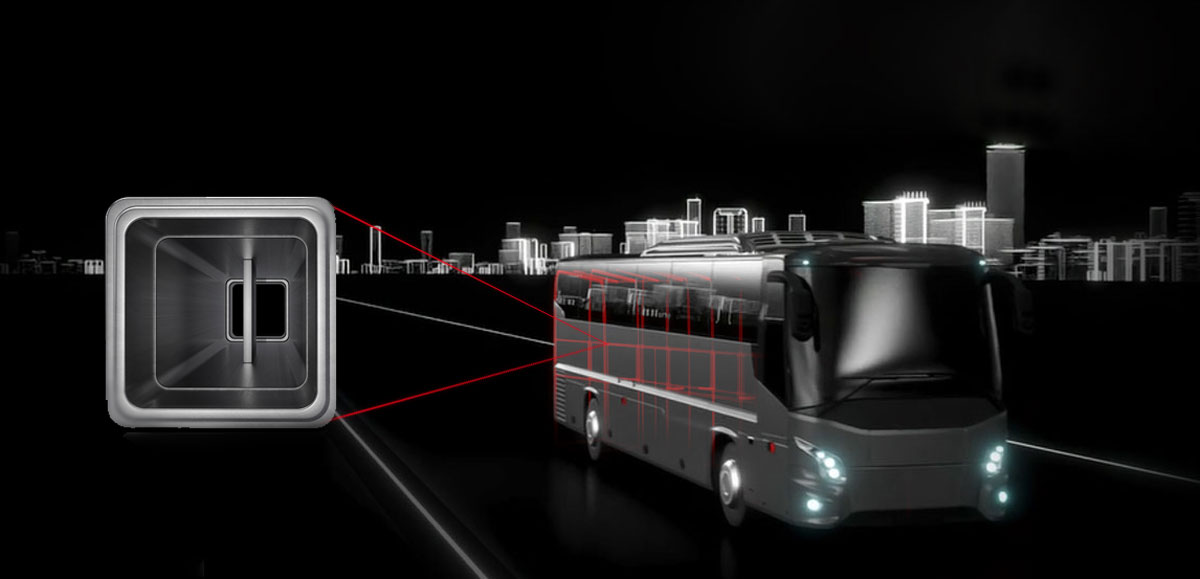
Stainless steel significantly improves sustainability in bus bodies through multiple environmental benefits. It enables weight reduction of up to 30% compared to conventional materials while maintaining structural integrity, directly reducing fuel consumption and emissions. The exceptional durability of stainless steel, particularly high-strength varieties like lean duplex (LDX), extends vehicle lifespan and minimizes maintenance requirements. Most importantly, stainless steel is 100% recyclable at end-of-life with no degradation in quality, creating a circular economy material ideal for sustainable transportation manufacturing.
Understanding stainless steel’s role in sustainable bus manufacturing
Stainless steel has emerged as a pivotal material in sustainable bus manufacturing due to its unique combination of properties that address environmental challenges. High-strength stainless steel hollow sections provide exceptional structural stability while significantly reducing vehicle weight compared to conventional materials like carbon steel or aluminum.
The environmental benefits of stainless steel in bus manufacturing extend throughout the entire lifecycle of the vehicle. From production efficiency through roll forming or press braking to minimal maintenance requirements during service life, stainless steel reduces resource consumption at every stage. The material’s inherent corrosion resistance eliminates the need for protective coatings that can contain environmentally harmful compounds.
Perhaps most significant is stainless steel’s contribution to operational efficiency. By enabling lighter vehicles that maintain structural integrity, high-strength stainless steel directly impacts fuel consumption and emissions during the bus’s service life – typically the period with the greatest environmental impact. Curious about how stainless steel can transform transportation sustainability? Explore our transport industry solutions for more information.
How does stainless steel reduce the overall weight of bus bodies?
Stainless steel reduces bus body weight primarily through the use of high-strength grades like lean duplex (LDX) that maintain structural integrity with less material. These advanced stainless steels offer superior strength-to-weight ratios, allowing engineers to design thinner-walled hollow sections that perform as well as or better than thicker conventional materials.
The weight reduction potential is significant – typically 20-30% compared to traditional carbon steel designs. This translates directly into reduced fuel consumption during operation, whether for diesel, electric, or hybrid buses. For electric buses specifically, weight reduction extends range and battery life, creating a compounding sustainability benefit.
The uniform strength of square and rectangular hollow sections across all axes makes them particularly effective for weight optimization. Their geometry provides maximum strength with minimum material, especially for the complex load-bearing requirements of bus structures including frames, chassis components, and body supports.
What makes stainless steel a more sustainable choice for bus structures?
Stainless steel’s sustainability credentials for bus structures stem from three key advantages: exceptional durability, minimal maintenance requirements, and complete recyclability. Unlike other materials that degrade in harsh environments, stainless steel maintains its structural properties throughout decades of service with minimal intervention.
The complete recyclability of stainless steel without quality degradation creates a true circular economy material. At a bus’s end of life, the stainless steel components can be 100% recycled into new stainless steel products with the same properties, dramatically reducing the environmental footprint compared to materials that can only be downcycled.
Additionally, stainless steel eliminates the need for environmentally problematic treatments like galvanizing or painting that are required for carbon steel. This absence of coatings both reduces manufacturing environmental impact and prevents contamination during recycling processes.
How does stainless steel improve the structural stability of buses?
Stainless steel hollow sections provide superior structural stability in buses through their exceptional load-bearing capacity and uniform strength distribution. Square and rectangular stainless tubes deliver consistent strength across all axes, making them ideal for withstanding the complex forces buses experience during operation.
This superior strength-to-weight ratio allows engineers to create bus structures that are simultaneously lightweight and extremely robust. High-strength stainless steel grades like lean duplex can handle substantial loads while maintaining a weight advantage over conventional materials, creating a balanced design that prioritizes both safety and efficiency.
The manufacturing process for these hollow sections, typically roll forming or press braking, creates consistent material properties throughout the structure. This uniformity eliminates weak points and ensures predictable performance under stress, extending the vehicle’s service life and maintaining safety standards even after years of demanding use.
What is the environmental impact of using stainless steel in bus manufacturing?
The environmental impact of stainless steel in bus manufacturing must be evaluated across the entire lifecycle. While initial production is energy-intensive, this is offset by stainless steel’s exceptional durability and complete recyclability. Modern manufacturing methods like roll forming and press braking maximize material efficiency and minimize waste.
During the operational phase, which constitutes the largest portion of a bus’s environmental footprint, stainless steel’s contribution to weight reduction directly lowers fuel consumption and emissions. For every 10% reduction in vehicle weight, fuel economy typically improves by 6-8%, creating substantial lifetime environmental savings.
At end-of-life, stainless steel’s 100% recyclability without quality loss creates a circular material flow that dramatically reduces the need for virgin material production. This closed-loop recycling capability is perhaps stainless steel’s most significant environmental advantage for sustainable bus manufacturing. Contact our experts to learn more about implementing sustainable stainless steel solutions in your transportation projects.
Stainless steel as a cornerstone of sustainable public transportation
High-strength stainless steel hollow sections have emerged as essential components in sustainable bus manufacturing by addressing multiple environmental challenges simultaneously. The material’s ability to reduce weight while maintaining structural integrity directly improves operational efficiency and reduces emissions throughout the vehicle’s service life.
The exceptional durability of stainless steel extends bus lifespans, reducing the environmental impact associated with manufacturing replacement vehicles. This longevity, combined with minimal maintenance requirements, creates compelling lifecycle benefits that outweigh the initial production impact.
Perhaps most importantly, stainless steel’s complete recyclability establishes it as an ideal material for circular economy principles in transportation manufacturing. By enabling lighter, more durable, and fully recyclable bus structures, high-strength stainless steel hollow sections provide a comprehensive sustainability solution for modern public transportation. Learn more about our sustainable transport solutions and how they can benefit your next project.
This article was created with the help of AI and reviewed by a human. It may include mistakes.