
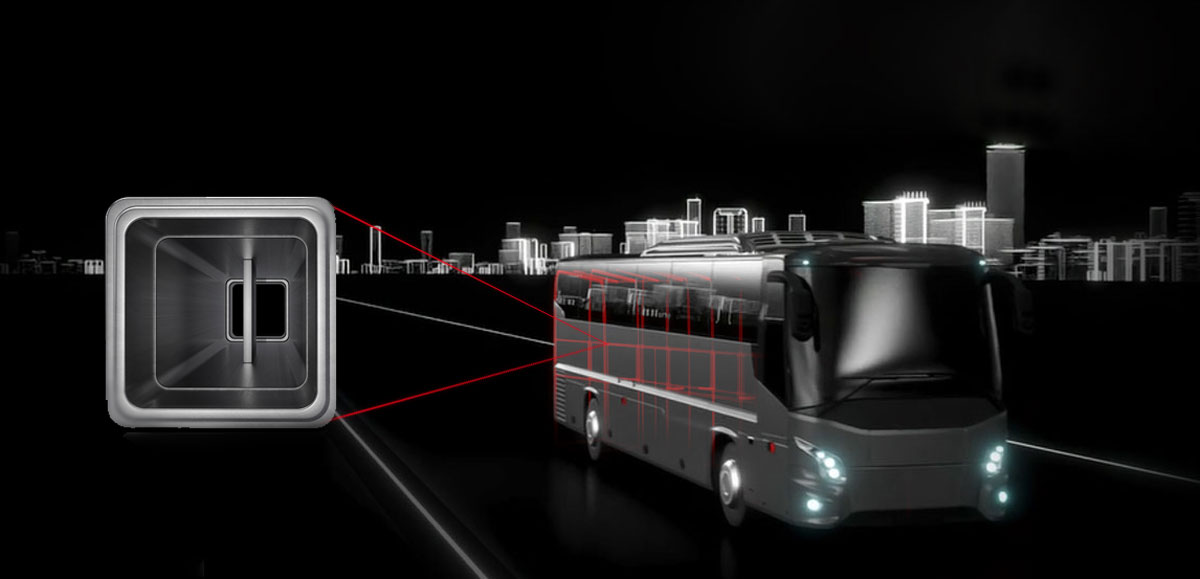
Stainless steel plays a crucial role in the transport industry due to its exceptional combination of strength, durability, and corrosion resistance. In transportation applications, high-strength stainless steel hollow sections and profiles are widely utilised in vehicles, ships, trains, and infrastructure. These materials provide significant advantages including weight reduction, structural integrity, and longevity in challenging environments. The superior mechanical properties of stainless steel make it ideal for load-bearing components while its resistance to corrosion ensures minimal maintenance even in harsh conditions.
What is stainless steel used for in the transport industry?
In the transport industry, stainless steel is extensively used for structural components that require superior strength-to-weight ratios and corrosion resistance. The material’s versatility makes it ideal for applications ranging from vehicle chassis and bodywork to marine components and railway infrastructure.
Square and rectangular hollow sections made from stainless steel are particularly valuable in transport applications, providing uniform strength distribution and exceptional load-bearing capabilities while maintaining low weight. These structural elements are essential in commercial vehicles, buses, trains, and ships where both strength and weight considerations are critical.
The transport sector benefits significantly from lean duplex stainless steel (LDX), which offers enhanced mechanical properties compared to conventional stainless steel grades. This high-performance material delivers optimal strength and durability in applications where weight reduction directly translates to improved fuel efficiency and increased payload capacity. Discover more about how stainless steel solutions are transforming the transport industry.
Why is high-strength stainless steel ideal for transport applications?
High-strength stainless steel is ideal for transport applications because it offers an exceptional strength-to-weight ratio that enables significant weight reduction without compromising structural integrity. This balance is crucial in transportation where every kilogram saved translates to improved fuel efficiency or increased payload capacity.
The superior corrosion resistance of stainless steel is particularly valuable in transport applications where exposure to road salts, marine environments, or variable weather conditions is common. Unlike conventional steel that requires protective coatings, stainless steel maintains its integrity throughout its service life with minimal maintenance requirements.
Additionally, high-strength stainless steel demonstrates excellent stability under stress, making it suitable for components that experience dynamic loading, vibration, and thermal fluctuations. This material property ensures consistent performance and enhanced safety in various transport applications.
How do stainless steel hollow sections improve vehicle performance?
Stainless steel hollow sections improve vehicle performance by providing uniform strength distribution across all axes, allowing them to support large loads while maintaining structural stability with relatively low weight. This balanced load distribution is particularly advantageous under compressive loads, making these profiles ideal for structural frameworks in vehicles.
The manufacturing process of these hollow sections, through roll forming or press braking, contributes significantly to their structural integrity. These precision forming methods ensure consistent dimensions and mechanical properties throughout the profile, resulting in predictable performance under various loading conditions.
The inherent properties of stainless steel hollow sections also contribute to improved vehicle dynamics, as their high strength-to-weight ratio allows for weight reduction in critical structural components. This translates to better fuel efficiency, increased payload capacity, and enhanced handling characteristics.
What transport industry sectors benefit most from stainless steel?
Commercial vehicle manufacturers benefit substantially from stainless steel components, particularly in chassis structures, fuel tanks, and exhaust systems. The material’s strength and corrosion resistance extend vehicle service life while reducing maintenance costs in these demanding applications.
The marine sector relies heavily on stainless steel for structural and decorative elements due to its exceptional resistance to saltwater corrosion. From structural frameworks to railings and fittings, stainless steel maintains its integrity in aggressive marine environments.
Passenger transit systems, including buses and trains, utilise stainless steel for both structural components and interior elements. The material’s durability and fire resistance contribute to passenger safety while its aesthetic qualities enhance the visual appeal of transport interiors.
How does stainless steel contribute to sustainability in transportation?
Stainless steel contributes to sustainability in transportation primarily through weight reduction, which leads directly to lower fuel consumption and reduced emissions throughout the vehicle’s operational life. High-strength stainless steel allows designers to create lighter structures without compromising on safety or performance.
The exceptional durability and corrosion resistance of stainless steel significantly extend service life, reducing the frequency of replacement and associated resource consumption. This longevity represents a substantial environmental benefit over the complete lifecycle of transport equipment.
Furthermore, stainless steel is 100% recyclable with no degradation in quality, creating a closed-loop material cycle. At the end of a vehicle’s service life, the stainless steel components can be fully recovered and reprocessed, minimising waste and conserving valuable resources. Contact our experts to learn more about sustainable stainless steel solutions.
Stainless steel in the transport industry
High-strength stainless steel delivers exceptional value in transport applications through its optimal combination of strength, stability, and corrosion resistance. These properties directly translate to tangible benefits including weight reduction, extended service life, and reduced maintenance requirements.
The uniform strength distribution of stainless steel hollow sections makes them particularly suitable for structural applications in transportation, providing reliable performance under various loading conditions while contributing to overall weight reduction.
From commercial vehicles to marine vessels and public transport, stainless steel continues to be the material of choice for applications where durability, safety, and sustainability are paramount. Explore our comprehensive range of stainless steel solutions for the transport industry.
This article was created with the help of AI and reviewed by a human. It may include mistakes.