
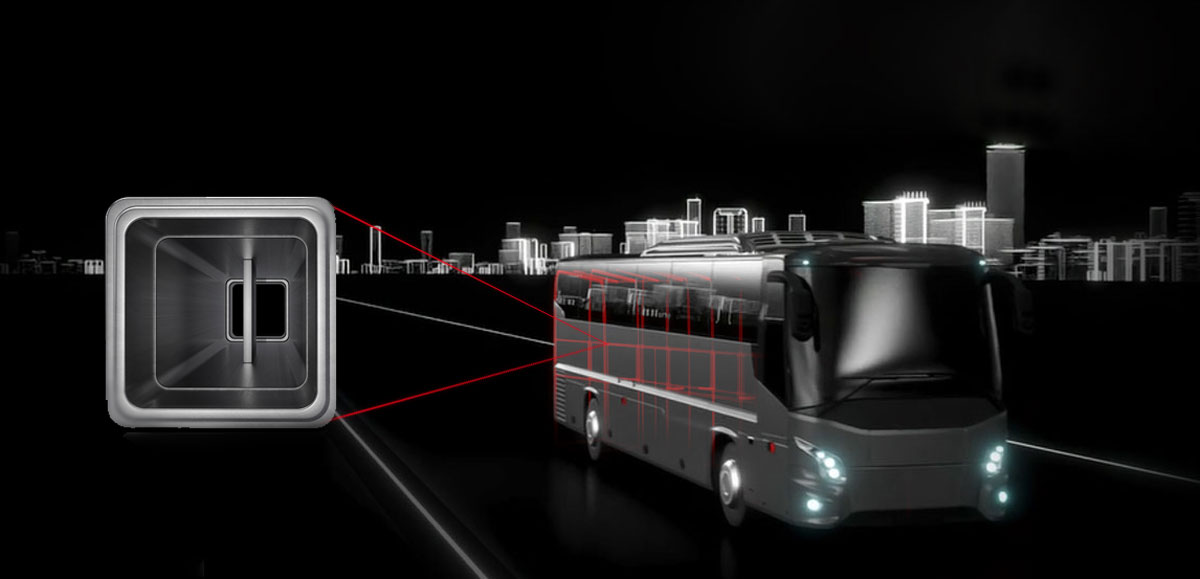
Stainless steel bus structures significantly reduce vehicle weight through their exceptional strength-to-weight ratio, particularly when using high-strength variants like lean duplex stainless steel (LDX). This material allows for thinner wall sections while maintaining structural integrity, resulting in weight reductions of up to 30% compared to conventional materials. The combination of corrosion resistance, durability, and mechanical properties makes stainless steel an ideal solution for modern bus manufacturers seeking to improve fuel efficiency, reduce emissions, and extend vehicle service life while maintaining passenger safety and comfort.
The transport industry continually seeks innovative materials to meet efficiency demands. Learn more about stainless steel solutions for the transport industry and discover how advanced materials can transform your vehicle designs.
Understanding stainless steel bus structures and weight reduction
Weight reduction has become a critical priority for bus manufacturers facing increasingly stringent environmental regulations and operational cost pressures. Every kilogram saved in vehicle structure translates directly to improved fuel economy, reduced emissions, and increased payload capacity.
Traditional bus structures often rely on heavier materials that require additional components for corrosion protection. These conventional approaches add unnecessary weight that impacts the vehicle’s entire lifecycle performance. The industry challenge lies in finding materials that can reduce weight without compromising structural integrity or safety standards.
Stainless steel bus structures address this challenge by offering an exceptional combination of mechanical strength and reduced weight. High-strength stainless steel enables designers to specify thinner material sections, eliminating the need for additional corrosion protection while maintaining or even improving structural performance. This approach yields significant weight reductions that directly enhance fuel efficiency, reduce environmental impact, and lower long-term operational costs.
How does a stainless steel bus structure reduce vehicle weight?
Stainless steel bus structures achieve weight reduction primarily through the material’s inherent high-strength-to-weight ratio. This allows engineers to design with thinner wall sections compared to conventional materials while maintaining the necessary structural integrity and safety margins.
The key to this weight reduction lies in the use of lean duplex stainless steel (LDX), which offers approximately twice the yield strength of standard austenitic stainless steels. This exceptional strength enables wall thickness reductions of up to 50% in some applications, directly translating to significant weight savings throughout the entire vehicle structure.
Additionally, stainless steel’s superior fatigue resistance allows for optimized designs that remove unnecessary material while maintaining long-term structural performance. The elimination of additional corrosion protection layers or coatings further reduces weight, as the material’s inherent corrosion resistance eliminates the need for these supplementary systems typically required with conventional materials.
What are the benefits of using stainless steel in bus structures?
Beyond weight reduction, stainless steel offers numerous advantages for bus structures. The most significant benefit is its exceptional corrosion resistance, eliminating the degradation issues that plague conventional materials and extending the vehicle’s service life considerably.
Stainless steel’s durability translates directly to lower maintenance requirements and reduced total cost of ownership. The material maintains its structural integrity and appearance throughout the vehicle’s life cycle, even in harsh operating environments with exposure to road salts, pollutants, or coastal atmospheres.
The sustainability benefits are equally compelling. Longer service life means fewer replacements and reduced resource consumption. Additionally, stainless steel is 100% recyclable without degradation, creating a closed material loop that aligns with increasingly important sustainability goals across the transportation industry.
How do stainless steel hollow sections enhance structural stability?
Stainless steel hollow sections provide exceptional structural stability through their uniform strength distribution across all axes. Unlike open profiles, square and rectangular hollow sections offer superior load distribution and excellent resistance to torsional forces, creating more stable structures with less material.
These hollow sections excel particularly under compressive loads, which are common in bus structure applications. The closed profile prevents buckling and provides enhanced rigidity compared to traditional profiles of similar weight. This allows for optimized structural designs that eliminate unnecessary material while maintaining required performance parameters.
The manufacturing process—whether through roll forming or press braking—ensures consistent material properties throughout the profile. This consistency creates predictable structural performance that engineers can rely on, allowing for design optimizations that further reduce weight while maintaining stability and safety margins.
What makes high-strength stainless steel ideal for transportation applications?
High-strength stainless steel provides an exceptional combination of properties that perfectly address the demanding requirements of transportation applications. Its resistance to environmental stressors ensures long-term performance even when exposed to extreme weather conditions, road chemicals, and pollutants.
The material’s superior vibration dampening characteristics enhance passenger comfort while reducing structural fatigue. This property extends component life and maintains structural integrity over millions of cycles of dynamic loading experienced throughout a vehicle’s service life.
Perhaps most importantly, high-strength stainless steel delivers excellent crash safety performance. Its high energy absorption capacity and controlled deformation characteristics help protect passengers in collision scenarios, allowing manufacturers to design lightweight structures that exceed safety standards without the weight penalties associated with conventional materials.
Stainless steel bus structures
Stainless steel bus structures represent a sophisticated engineering solution that addresses multiple industry challenges simultaneously. By reducing weight while maintaining strength and structural stability, these structures directly contribute to improved fuel efficiency, reduced emissions, and lower operational costs.
The long-term benefits extend far beyond initial weight reduction. Enhanced durability, reduced maintenance, and extended service life create compelling economic advantages throughout the vehicle lifecycle. These benefits align perfectly with sustainability goals while meeting increasingly stringent regulatory requirements.
Looking forward, high-strength stainless steel will continue to play a critical role in next-generation transportation solutions. Explore our advanced stainless steel solutions for transportation applications to discover how these materials can transform your vehicle designs.
Contact our team of experts to discuss your specific requirements and learn how our high-strength stainless steel solutions can help you achieve optimal weight reduction for your bus structure designs.
This article was created with the help of AI and reviewed by a human. It may include mistakes.