
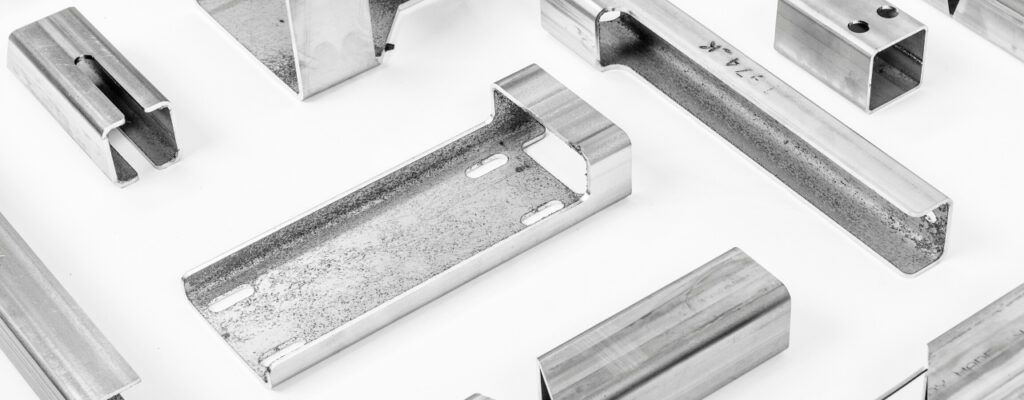
Corrosion-resistant bus materials, particularly high-strength stainless steel, typically last 20-30 years or more with minimal maintenance requirements. This exceptional durability stems from stainless steel’s inherent corrosion resistance, which prevents oxidation and material degradation even when exposed to harsh weather conditions, road salts, and daily wear. The longevity of these materials translates to extended service life for public transportation vehicles, reduced maintenance costs, and better overall value for transport authorities and operators.
Understanding corrosion-resistant materials in modern bus manufacturing
In the demanding world of public transportation, material selection plays a crucial role in determining vehicle lifespan, maintenance requirements, and overall operating costs. Corrosion resistance has become a paramount consideration in modern bus manufacturing, directly impacting service life and long-term performance.
Stainless steel stands out as the premier material for bus frames and structural components due to its exceptional resistance to corrosion, high strength-to-weight ratio, and impressive durability. Unlike conventional materials that deteriorate quickly when exposed to moisture, road salts, and environmental pollutants, stainless steel maintains its structural integrity over decades of service.
The transport industry increasingly recognises that initial material investment directly correlates with extended service life. With over 50 years of experience providing high-strength stainless steel solutions, we understand how proper material selection significantly reduces lifetime costs through decreased maintenance requirements and extended operational lifespan. Learn more about how stainless steel transforms modern transportation manufacturing.
How long does stainless steel last in bus applications?
In bus manufacturing applications, high-quality stainless steel components typically last 20-30 years or more, often matching or exceeding the operational lifespan of the vehicle itself. This remarkable longevity stems from stainless steel’s inherent corrosion resistance and exceptional mechanical properties that maintain structural integrity despite years of continuous service.
High-strength stainless steel frames provide critical advantages in the demanding transport environment. They withstand constant vibration, support substantial weight loads, and resist environmental degradation that would compromise conventional materials. The uniformly distributed strength of square stainless steel tubes delivers superior performance under compressive loads, maintaining structural stability throughout the vehicle’s operational life.
The extended service life of stainless steel components translates directly to lower lifetime ownership costs. While the initial investment may be higher than alternative materials, the virtually maintenance-free performance and exceptional durability result in significantly reduced repair costs, minimised vehicle downtime, and extended replacement intervals.
What factors affect the longevity of stainless steel in buses?
Several key environmental and operational factors influence the service life of stainless steel components in bus applications. Geographic location plays a significant role, with coastal routes exposing vehicles to salt-laden air that accelerates corrosion in lesser materials, while inland routes may present different challenges like industrial pollutants or extreme temperature variations.
Operational factors such as frequency of use, passenger load patterns, and route conditions (including road quality and typical weather exposure) also impact longevity. Buses operating continuously on rough terrain face different stresses than those on smooth urban routes, though high-strength stainless steel performs admirably in both scenarios.
Manufacturing processes significantly influence durability outcomes. Precision roll forming and press braking techniques create stainless steel components with consistent properties throughout, eliminating weak points that might otherwise become failure points. These specialised forming methods maintain the material’s corrosion resistance while enhancing structural integrity for decades of reliable service.
How does lean duplex stainless steel improve bus durability?
Lean duplex stainless steel (LDX) represents the pinnacle of corrosion-resistant materials for bus manufacturing, offering an exceptional combination of properties that significantly enhance vehicle durability. Its dual-phase microstructure provides superior strength-to-weight ratios, allowing for lighter vehicle designs without compromising structural integrity.
The exceptional corrosion resistance of LDX proves particularly valuable in challenging operating environments. This advanced material withstands exposure to road salts, coastal atmospheres, and industrial pollutants while maintaining its mechanical properties. Even after decades of service, lean duplex components retain their structural strength and appearance.
For transport operators, these material advantages translate to tangible benefits: extended service intervals, reduced maintenance costs, and longer overall vehicle lifespan. The higher initial investment in lean duplex stainless steel delivers substantial returns through decades of reliable, low-maintenance performance in demanding public transport applications.
What maintenance is required for stainless steel bus components?
Stainless steel bus components require minimal maintenance compared to traditional materials, representing a significant operational advantage. Routine visual inspections remain sufficient to monitor component condition, with particular attention to connection points and areas of mechanical stress that might experience wear over time.
Basic cleaning with standard detergents helps maintain the material’s appearance and corrosion resistance, particularly for buses operating in environments with road salt exposure or marine atmospheres. Unlike conventional materials requiring regular painting or protective treatments, stainless steel maintains its protective properties without additional coatings.
Proper design implementation further reduces maintenance requirements by eliminating potential water traps or areas where debris might accumulate. With thoughtful design and high-quality stainless steel, bus operators can expect decades of reliable service with minimal maintenance intervention. Contact our experts to discuss specific maintenance considerations for your transportation applications.
Stainless steel longevity in bus manufacturing
The exceptional longevity of high-strength stainless steel in bus applications delivers compelling value throughout the vehicle lifecycle. With service life typically exceeding 20-30 years, these materials often outlast other vehicle components while requiring minimal maintenance intervention.
The superior structural stability of stainless steel, particularly in square and rectangular hollow sections, ensures passenger safety and vehicle integrity throughout decades of service. This performance reliability, combined with virtually maintenance-free operation, translates to lower lifetime costs despite higher initial investment.
For transport operators focused on long-term value and sustainability, high-strength stainless steel represents the optimal material choice, delivering extended service life, reduced environmental impact through lighter vehicle weight, and exceptional durability in demanding operating conditions. Discover how our stainless steel solutions can transform your transport applications.
This article was created with the help of AI and reviewed by a human. It may include mistakes.