
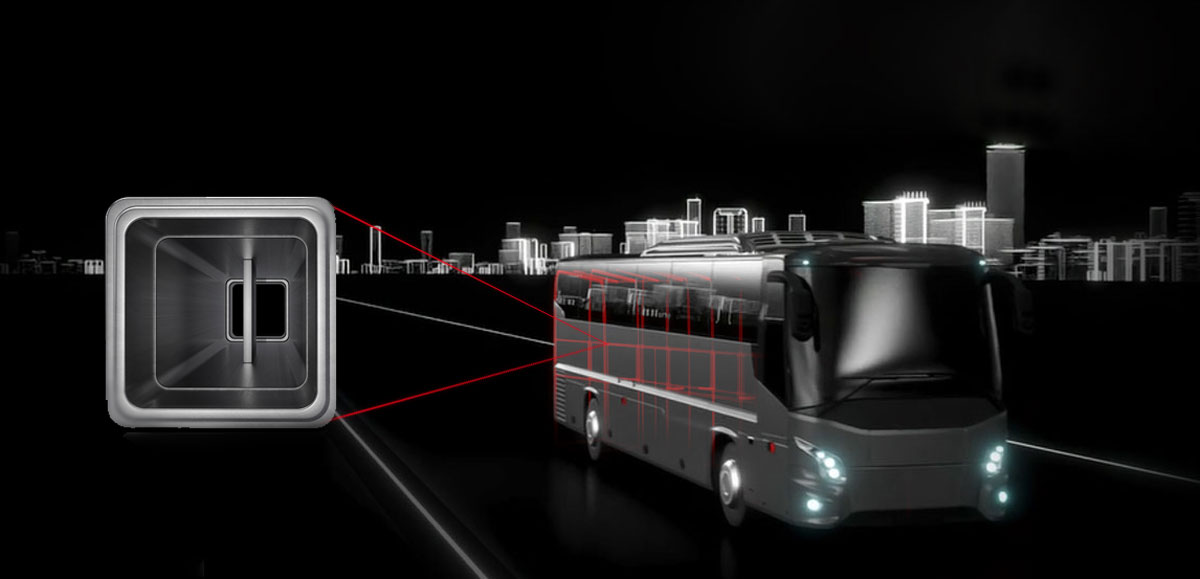
Weight reduction in bus chassis design offers significant performance, efficiency and sustainability benefits. High-strength stainless steel solutions provide an optimal balance of durability and weight savings, allowing manufacturers to build lighter vehicles without compromising structural integrity. Modern optimized bus chassis using stainless steel hollow sections can reduce overall vehicle weight by substantial margins, leading to improved fuel economy, reduced emissions, extended component life, and enhanced operational efficiency. This weight optimization is particularly valuable for electric buses, where every kilogram saved extends range and battery life.
Understanding weight reduction benefits in bus chassis design
The pursuit of lighter bus chassis represents a fundamental shift in modern transportation manufacturing. As efficiency and environmental regulations tighten globally, weight optimization has moved from being merely advantageous to absolutely essential. The evolution of chassis design has increasingly focused on maintaining or improving structural performance whilst simultaneously reducing overall mass.
Traditional bus chassis designs relied heavily on excessive material usage to ensure adequate strength and stability. However, this approach creates vehicles that are unnecessarily heavy, consuming more fuel and producing more emissions. Modern design philosophies instead emphasize material optimization – using precisely the right amount of the right material in the right places.
The integration of high-strength stainless steel, particularly lean duplex (LDX) variants, has revolutionized this field by allowing manufacturers to achieve significant weight reductions without sacrificing structural integrity or safety. Interested in learning more about optimized transport solutions? Explore our dedicated transport industry resources for comprehensive information.
How does stainless steel contribute to bus chassis weight reduction?
Stainless steel enables significant weight reduction in bus chassis through its exceptional strength-to-weight ratio. The high-strength properties of stainless steel, particularly lean duplex (LDX) grades, allow engineers to specify thinner material profiles than would be possible with conventional materials, directly translating to weight savings across the entire structure.
The physical properties that make stainless steel ideal for weight-critical applications include:
- Superior tensile strength that maintains structural integrity with less material
- Excellent fatigue resistance for long-term durability
- Consistent performance across wide temperature ranges
- Inherent corrosion resistance that eliminates the need for additional protective coatings
This combination of properties makes high-strength stainless steel an ideal material for chassis components that must withstand significant stress while contributing to overall weight reduction goals. The material’s inherent corrosion resistance also eliminates the need for protective coatings that add weight.
What are the fuel efficiency advantages of lightweight bus chassis?
Lightweight bus chassis directly improve fuel efficiency by reducing the energy required to accelerate and maintain vehicle speed. For conventional diesel buses, every 100 kg of weight reduction typically yields fuel consumption improvements of approximately 0.5-1%, creating substantial operational cost savings over a vehicle’s service life.
In electric buses, weight reduction benefits are even more pronounced. Battery-powered vehicles must overcome both inertial and rolling resistance forces, and lighter chassis designs allow for either extended range from the same battery capacity or the use of smaller, lighter battery packs for the same operational range.
The long-term operational advantages extend beyond direct fuel savings to include reduced wear on brakes, tyres, and suspension components, further enhancing the total cost of ownership benefits associated with weight-optimized chassis designs.
How do stainless steel hollow sections enhance structural stability?
Stainless steel hollow sections provide superior structural stability through their uniform load distribution capabilities. Unlike open profiles, hollow sections distribute forces evenly across all axes, creating structures that resist torsional, compressive, and tensile forces with remarkable efficiency.
Square and rectangular stainless steel tubes are particularly valuable in bus chassis applications where compressive loads are significant. These profiles deliver optimal stability with minimal material usage, creating structures that are both lightweight and exceptionally rigid.
The uniform strength characteristics of stainless steel hollow sections also simplify design and manufacturing processes, as they eliminate the directional weaknesses found in many alternative structural profiles. This consistent performance allows for more predictable structural behaviour and enhanced safety margins. Contact our engineering team to discuss your specific requirements for optimized chassis design.
What are the sustainability benefits of optimized stainless steel bus chassis?
Optimized stainless steel bus chassis deliver substantial sustainability benefits throughout the vehicle lifecycle. The primary environmental advantage comes from weight reduction, which directly translates to lower fuel consumption and reduced emissions during the operational phase – typically the most environmentally impactful period in a vehicle’s life.
Stainless steel’s exceptional durability and corrosion resistance contribute to extended vehicle lifespans, reducing the environmental impact associated with manufacturing replacement vehicles. When a bus eventually reaches end-of-life, the complete recyclability of stainless steel supports circular economy principles, with recycled material requiring significantly less energy to process than primary production.
The combination of operational efficiency improvements and end-of-life recyclability makes stainless steel chassis optimization a powerful approach for reducing the transportation sector’s environmental footprint.
Maximizing the advantages of stainless steel in bus design
High-strength stainless steel chassis solutions deliver multiple interconnected benefits for modern bus manufacturing. The material’s exceptional strength-to-weight ratio enables significant weight reduction while maintaining or improving structural performance, directly enhancing operational efficiency and environmental sustainability.
The uniform load distribution capabilities of stainless steel hollow sections create structurally optimal designs that maximize stability while minimizing material usage. This combination of properties addresses the increasingly demanding requirements of modern bus manufacturers seeking to improve efficiency, reduce emissions, and enhance overall vehicle performance.
For transport manufacturers looking to optimize their chassis designs, high-strength stainless steel solutions represent a proven approach to achieving significant weight reduction without compromising on structural integrity or durability. Learn more about optimized transport solutions to discover how advanced stainless steel can transform your manufacturing processes.
This article was created with the help of AI and reviewed by a human. It may include mistakes.