
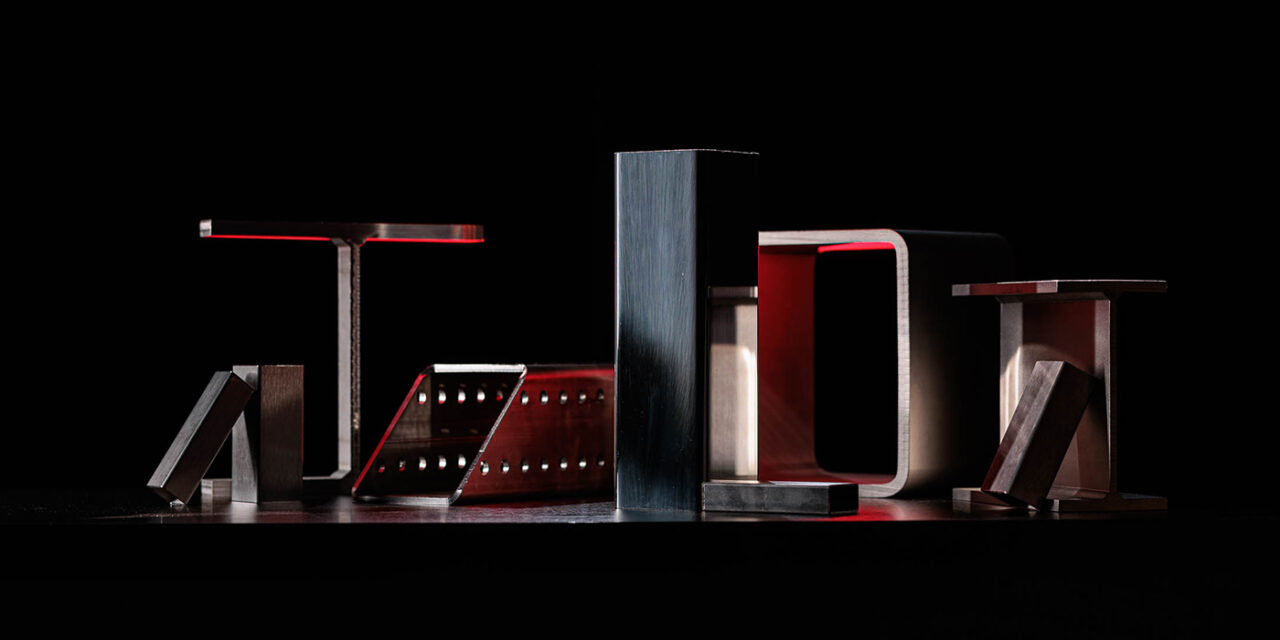
Lightweight stainless steel significantly contributes to bus weight reduction through its exceptional strength-to-weight ratio. By utilizing high-strength stainless steel hollow sections with thinner walls while maintaining structural integrity, manufacturers can achieve substantial weight savings compared to conventional materials. This weight reduction directly translates to improved fuel efficiency, increased payload capacity, and reduced environmental impact. The uniform strength distribution across all axes makes stainless steel particularly valuable for transportation applications where both weight and structural stability are critical considerations.
Understanding lightweight stainless steel in transportation
In the transport industry, the quest for lighter vehicles without compromising safety or durability has led to significant material innovations. Lightweight stainless steel has emerged as a superior solution for bus manufacturing, offering exceptional structural properties while reducing overall weight.
High-strength stainless steel hollow sections are specially designed to provide maximum strength with minimal material usage. Through advanced roll forming and press braking manufacturing processes, these hollow sections maintain superior structural integrity despite having thinner walls than conventional alternatives.
The unique combination of corrosion resistance, durability and strength makes stainless steel particularly suitable for transportation applications where vehicles face diverse environmental conditions throughout their service life. To learn more about how stainless steel solutions can transform your transport applications, explore our transport industry solutions.
How does lightweight stainless steel reduce overall bus weight?
Lightweight stainless steel reduces bus weight through its exceptional strength-to-weight ratio, allowing for the use of thinner material without compromising structural performance. Lean duplex stainless steel (LDX) provides remarkable strength that enables engineers to design components with less material while maintaining necessary load-bearing capacity.
The weight reduction occurs through several mechanisms:
- Thinner wall construction (due to higher material strength)
- Hollow section designs that distribute loads efficiently
- Strategic material placement focusing strength where needed most
- Elimination of unnecessary reinforcement elements
The manufacturing process, involving precise roll forming or press braking, ensures that these thinner components maintain their structural integrity while delivering significant weight advantages compared to conventional materials.
What are the benefits of using high-strength stainless steel in buses?
Using high-strength stainless steel in buses delivers multiple performance advantages beyond simple weight reduction. The primary benefits include improved fuel efficiency through reduced vehicle mass, resulting in lower operating costs and extended range.
Additional benefits include:
- Increased payload capacity for passengers or cargo
- Enhanced vehicle stability and handling due to lower centre of gravity
- Superior corrosion resistance eliminating the need for protective coatings
- Extended service life compared to conventional materials
- Reduced maintenance requirements and associated costs
Square stainless steel tubes provide uniform strength across all axes, offering significant advantages under compressive loads. This enables these components to support substantial loads while maintaining stability, even with relatively low weight.
How does stainless steel contribute to sustainable bus manufacturing?
Stainless steel significantly enhances sustainability in bus manufacturing through multiple environmental benefits. The weight savings achieved with high-strength stainless steel directly translate to reduced fuel consumption and lower emissions throughout the vehicle’s operational lifetime.
The exceptional durability and corrosion resistance of stainless steel extend the service life of buses, reducing the need for replacement and the associated environmental impact of manufacturing new vehicles. Furthermore, stainless steel is 100% recyclable without degradation of quality, creating a circular material flow.
High-strength stainless steel’s ability to handle environmental stress while maintaining structural integrity ensures these sustainability benefits continue throughout the vehicle’s entire lifecycle, making it an environmentally responsible choice for modern bus manufacturing.
Lightweight stainless steel for bus manufacturing
The use of lightweight stainless steel for bus weight reduction offers compelling advantages for manufacturers and operators alike. Material selection should prioritize high-strength variants like lean duplex stainless steel, which offers the optimal balance of weight reduction and structural performance.
The structural benefits extend beyond simple weight savings to include enhanced stability, improved load distribution, and superior durability in demanding transport applications. Long-term advantages encompass reduced operating costs, extended service life, and significant environmental benefits through improved fuel efficiency and full recyclability.
Ready to explore how high-strength stainless steel can transform your bus manufacturing process? Discover our complete range of transport industry solutions or contact our team to discuss your specific requirements.
This article was created with the help of AI and reviewed by a human. It may include mistakes.