
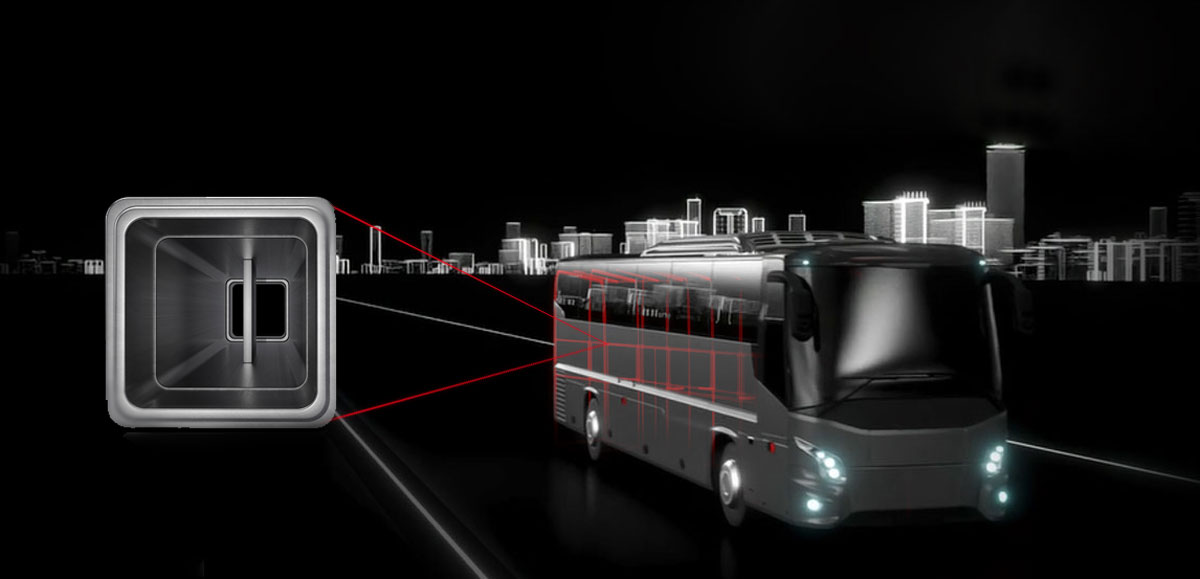
Laser-cut bus components in stainless steel manufacturing are precision-engineered structural elements used in modern bus construction. These components are created by using advanced laser cutting technology to shape high-strength stainless steel into specific parts like frames, supports, and structural reinforcements. The process allows for exact dimensional accuracy and complex designs while maintaining the material’s inherent durability and corrosion resistance. Stainless steel is preferred for these applications due to its exceptional strength-to-weight ratio, resistance to environmental factors, and ability to withstand the dynamic stresses of public transportation vehicles.
Understanding laser-cut bus components in stainless steel manufacturing
Laser-cut bus components represent a significant advancement in modern bus manufacturing, offering precision and customization previously unattainable with traditional fabrication methods. These components form the backbone of contemporary bus structures, providing the essential framework that ensures passenger safety and vehicle longevity.
The use of high-strength stainless steel for these components has become increasingly prevalent due to its exceptional properties. Unlike conventional materials, stainless steel offers superior corrosion resistance, crucial for vehicles constantly exposed to varying weather conditions and road treatments. This inherent durability translates to longer service life and reduced maintenance requirements.
Stainless steel’s excellent strength-to-weight ratio is particularly valuable in the transport industry, where weight reduction contributes directly to fuel efficiency and operational costs. By incorporating precisely laser-cut components, manufacturers can optimize structural integrity while minimizing overall vehicle weight. Interested in learning more about stainless steel solutions for the transport industry? Explore our comprehensive transport industry solutions for further insights.
What are the advantages of using stainless steel for laser-cut bus components?
Stainless steel offers exceptional benefits for laser-cut bus components, making it the material of choice for modern bus manufacturing. Its inherent corrosion resistance is particularly valuable in this application, as buses frequently operate in challenging environmental conditions including rain, snow, road salt, and atmospheric pollution.
The durability of stainless steel components significantly extends the service life of buses while reducing maintenance requirements. Unlike other materials that may degrade over time, stainless steel maintains its structural integrity throughout the vehicle’s operational lifespan, even when subjected to continuous vibration, temperature fluctuations, and mechanical stress.
High-strength stainless steel options like lean duplex (LDX) provide an optimal balance between strength and weight. This enables manufacturers to reduce overall vehicle weight without compromising safety or performance—an increasingly important consideration as the industry focuses on improving fuel efficiency and reducing environmental impact. The weight reduction can be substantial, contributing to lower operational costs and reduced emissions over the vehicle’s lifetime.
How are stainless steel bus components manufactured using laser cutting?
The manufacturing process for laser-cut bus components begins with high-quality stainless steel sheets or tubes that undergo precise shaping through roll forming or press braking techniques. These methods create the basic profiles needed for various structural elements while maintaining the material’s mechanical properties.
Laser cutting technology then transforms these formed profiles into specific components with exceptional precision. The computer-controlled laser beams can create complex geometries, cutouts, and connection points with tolerances measured in fractions of a millimetre. This level of accuracy ensures perfect fit during assembly and eliminates the structural weaknesses that might result from traditional cutting methods.
The non-contact nature of laser cutting prevents material deformation and maintains the stainless steel’s original properties at the cut edges. This is crucial for structural components where any alteration in material characteristics could compromise performance. The process also allows for rapid design iterations and customization, enabling manufacturers to optimize components for specific applications without significant tooling changes or production delays.
What makes high-strength stainless steel ideal for bus structural components?
High-strength stainless steel excels in bus structural applications due to its exceptional load-bearing capabilities. These materials provide uniform strength across all axes, making them particularly effective under the compressive loads typical in public transport vehicles.
Square and rectangular stainless steel tubes offer significant stability advantages compared to other profiles. Their geometrical properties distribute stress evenly, preventing deformation even under substantial loads. This is essential for passenger safety and vehicle longevity, especially considering the dynamic forces experienced during regular operation.
The combination of high strength and relatively low weight makes these components ideal for modern bus design, where efficiency and performance must be balanced. By strategically incorporating high-strength stainless steel elements, manufacturers can create lighter vehicles that maintain or even exceed safety standards while improving fuel economy and reducing environmental impact.
Laser-cut bus components in stainless steel manufacturing
Laser-cut stainless steel components have revolutionised bus manufacturing by enabling lighter, stronger, and more durable vehicle structures. The precision offered by laser cutting technology allows for optimised designs that would be impossible to achieve with conventional fabrication methods.
The superior properties of high-strength stainless steel, particularly options like lean duplex (LDX), provide an ideal balance of strength, weight, and corrosion resistance. These characteristics directly translate to tangible benefits including extended service life, reduced maintenance requirements, and improved operational efficiency.
The manufacturing processes employed, including roll forming and precision laser cutting, ensure that the finished components maintain the inherent properties of the stainless steel while achieving the exact specifications required for each application. This combination of material excellence and manufacturing precision results in bus components that deliver exceptional performance throughout their operational life. Learn more about our transport industry solutions to discover how high-strength stainless steel can enhance your projects.
Need expert advice on selecting the right stainless steel components for your transportation applications? Contact our specialists for personalised guidance.
This article was created with the help of AI and reviewed by a human. It may include mistakes.