
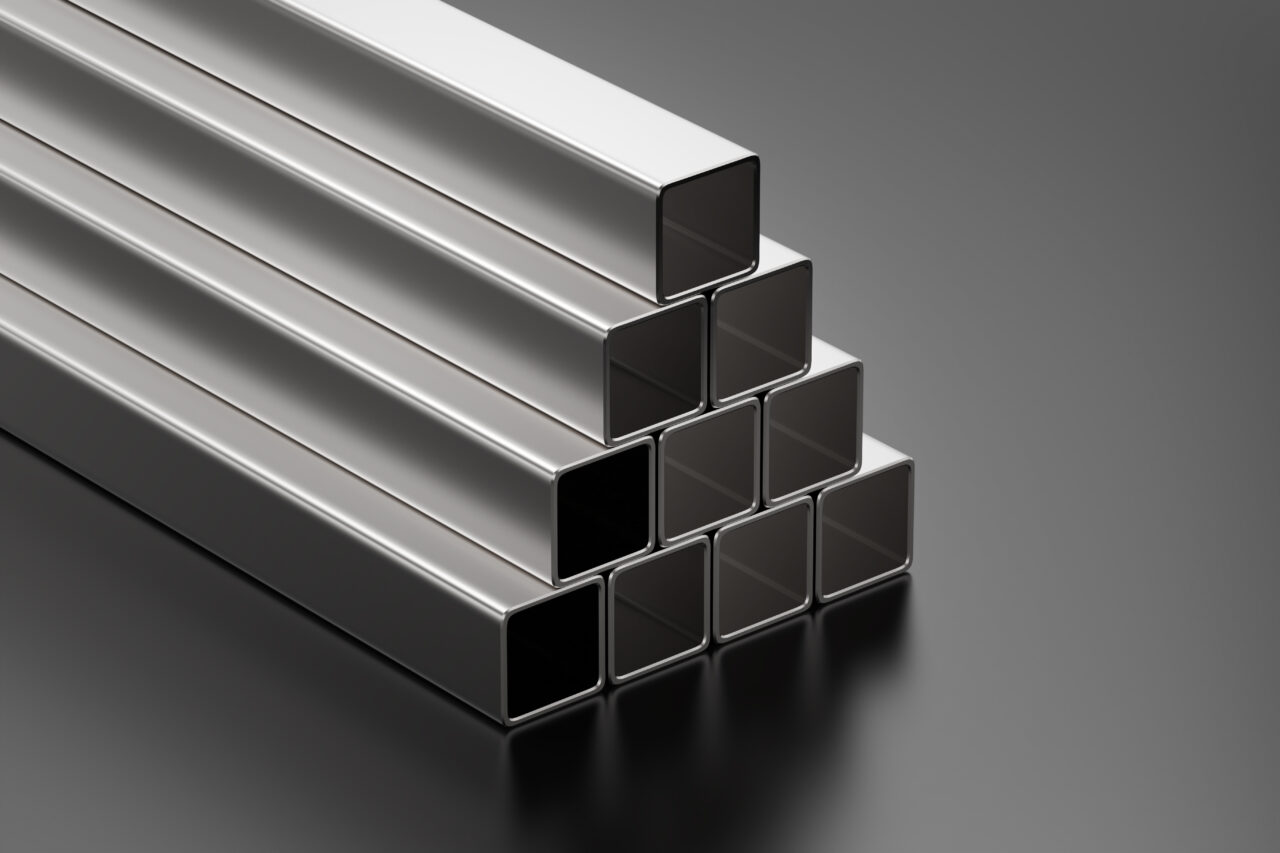
When choosing stainless steel for data center infrastructure, the difference between 304 and 316L grades is primarily in their composition and corrosion resistance. 304 stainless steel contains 18% chromium and 8% nickel, offering good general corrosion resistance. 316L contains these elements plus 2-3% molybdenum, providing superior resistance to chlorides and harsh environments. This enhanced corrosion protection makes 316L the preferred choice for data center cooling systems and infrastructure exposed to cleaning chemicals or variable humidity conditions.
The selection between these grades affects long-term infrastructure reliability, maintenance requirements, and operational continuity. Explore our complete range of high-strength stainless steel solutions engineered specifically for mission-critical environments.
What are the key differences between 304 and 316L stainless steel?
The primary difference between 304 and 316L stainless steel is that 316L contains 2-3% molybdenum, which 304 lacks. This addition gives 316L superior resistance to chloride corrosion, pitting, and crevice corrosion in harsh environments. 316L also features a lower carbon content (0.03% maximum vs 0.08% in 304), reducing the risk of carbide precipitation during welding.
Both grades are austenitic stainless steels with excellent formability and weldability, but their chemical compositions create significant performance differences:
| Property | 304 Stainless Steel | 316L Stainless Steel |
|---|---|---|
| Molybdenum content | None | 2-3% |
| Corrosion resistance | Good general resistance | Superior, especially to chlorides |
| Maximum carbon content | 0.08% | 0.03% |
| Cost | Lower | 10-15% higher |
| Ideal environments | Indoor, non-corrosive | Harsh, chemical exposure |
In mechanical properties, both grades demonstrate similar strength characteristics, with 316L occasionally showing slightly higher ductility. The real difference emerges in environments with exposure to chlorides, humidity fluctuations, or cleaning chemicals—conditions commonly found in data centre cooling systems.
Why is corrosion resistance critical for data centre infrastructure?
Corrosion resistance is essential for data centre infrastructure because these facilities must maintain continuous operation for decades while managing complex environmental challenges. Even microscopic corrosion in cooling systems or structural components can lead to system failures, resulting in catastrophic downtime costs averaging £5,000-£8,000 per minute for enterprise data centres.
Data centres present unique corrosion challenges due to:
- Temperature gradients – The contrast between hot server aisles and cooling infrastructure creates condensation risk points where moisture can accumulate
- Variable humidity levels – Humidity control systems maintain optimal conditions but create microenvironments where dew points may be reached on metal surfaces
- Chemical exposure – Cooling water treatments, cleaning agents, and even airborne contaminants introduce corrosive elements
- Vibration – Constant equipment vibration can accelerate corrosion at connection points where protective passive layers become compromised
With data centre infrastructure expected to remain operational for 15-25 years with minimal maintenance, the superior corrosion resistance of high-performance stainless steel becomes an operational necessity rather than a luxury. The initial investment in corrosion-resistant materials prevents costly maintenance interventions that would require system downtime.
How does 316L stainless steel perform in data centre cooling systems?
316L stainless steel excels in data centre cooling systems due to its exceptional resistance to the corrosive conditions present in water-cooling infrastructure. It withstands water treatment chemicals, including chlorine-based biocides and scale inhibitors, while maintaining structural integrity through thousands of thermal cycles without degradation.
In cooling manifolds and distribution systems, 316L demonstrates several performance advantages:
- Resistance to pitting corrosion from standing water during maintenance periods
- Compatibility with glycol mixtures used in low-temperature cooling applications
- Stability when exposed to deionised water, which can be surprisingly aggressive to lesser metals
- Tolerance of higher flow velocities without erosion-corrosion concerns
The low carbon content of 316L (designated by the “L”) ensures that even welded areas maintain corrosion resistance, critical for the complex joints in cooling distribution networks. This translates to significantly reduced maintenance requirements and longer service life compared to 304 stainless steel installations, which may show early signs of localised corrosion in the same operating conditions.
What load-bearing advantages do high-strength stainless steel hollow sections offer in data centres?
High-strength stainless steel hollow sections provide superior load distribution and structural stability in data centres through their uniform strength across all axes under compressive loads. Square and rectangular hollow sections demonstrate up to 200% greater torsional rigidity compared to open profiles of equivalent weight, creating more stable support structures for critical equipment and infrastructure.
These hollow sections deliver several key advantages in data centre applications:
- Weight efficiency – Higher strength-to-weight ratios enable substantial material reduction while maintaining load capacity
- Multi-directional strength – Uniform resistance to loads from any direction, essential for complex rack arrangements
- Superior column performance – Excellent buckling resistance for vertical support applications
- Clean lines and reduced dust collection – Smooth surfaces minimize airflow disruption and particulate accumulation
For raised floor systems, equipment support frames, and cooling infrastructure, these high-strength hollow sections allow engineers to design more efficient structures that accommodate heavier equipment densities while maintaining the necessary rigidity to prevent vibration transmission. The clean, closed profile also provides superior fire performance by limiting exposed surface area.
How does lean duplex stainless steel compare to 304 and 316L for data centre applications?
Lean duplex stainless steel (LDX) offers a compelling alternative to conventional austenitic grades like 304 and 316L for data centre applications. It delivers approximately 50% higher yield strength than these traditional grades while maintaining comparable corrosion resistance to 316L, allowing for significant material reduction in structural applications.
The key advantages of LDX in data centres include:
- Superior strength enabling thinner sections and material savings of 20-30%
- Excellent resistance to stress corrosion cracking, exceeding both 304 and 316L
- Enhanced structural stability with less deflection under load
- Better fatigue resistance for components subject to vibration
- Reduced thermal expansion, important for maintaining precise alignments
This combination of properties makes lean duplex ideal for structural frameworks, equipment supports, and cooling infrastructure in data centres where weight reduction without compromising performance is valued. The material’s sustainability advantages through reduced raw material requirements align well with the growing focus on environmental impact reduction in data centre design and operation.
Contact our engineering team to discuss how lean duplex stainless steel can optimize your data centre infrastructure projects.
What are the long-term cost implications of choosing 316L over 304 stainless steel?
Choosing 316L over 304 stainless steel typically involves a 10-15% higher initial investment but delivers substantial long-term cost advantages through extended service life and reduced maintenance. A properly specified 316L installation in data centre cooling systems can remain in service for 20+ years compared to 10-15 years for 304 in similar applications with minimal intervention.
The lifecycle cost advantages of 316L include:
- Elimination of replacement costs that would occur with 304 grade materials
- Reduced inspection and maintenance requirements
- Minimized risk of operational downtime from component failure
- Lower cleaning and passivation costs over the service life
- Avoidance of business continuity risks during system interventions
When calculating return on investment, data centre operators should consider that the cost differential between 304 and 316L represents only 0.5-1% of total cooling system costs but significantly impacts system reliability. For mission-critical facilities where downtime costs exceed thousands of pounds per minute, the selection of 316L becomes a strategic risk management decision rather than simply a material specification choice.
Explore our complete range of high-strength stainless steel solutions engineered specifically for critical data centre environments.
This article was created with the help of AI and reviewed by a human. It may include mistakes.