
When comparing stainless steel and carbon steel for biogas plants, the total cost analysis extends far beyond initial purchase price. While stainless steel commands a higher upfront investment (typically 3-5 times more), its superior corrosion resistance in aggressive biogas environments leads to significantly lower maintenance costs, extended service life, and reduced operational disruptions. The overall lifecycle cost advantage makes high-strength stainless steel the more economical long-term choice for biogas facilities.
The decision between these materials directly impacts construction requirements, structural performance, and long-term operational reliability. Explore our complete range of high-strength stainless steel solutions specifically designed for the demanding biogas environment.
What is the initial cost difference between stainless steel and carbon steel for biogas plants?
The initial purchase price of stainless steel typically ranges from 3-5 times higher than carbon steel for biogas plant components. This price differential represents the most significant barrier when project managers evaluate material options for tanks, support structures, and processing equipment.
However, this upfront cost comparison requires important context. High-strength stainless steel solutions, particularly lean duplex stainless steel (LDX), offer superior strength-to-weight ratios compared to conventional carbon steel. This strength advantage means that less material is required to achieve the same structural performance, which partially offsets the higher per-unit cost.
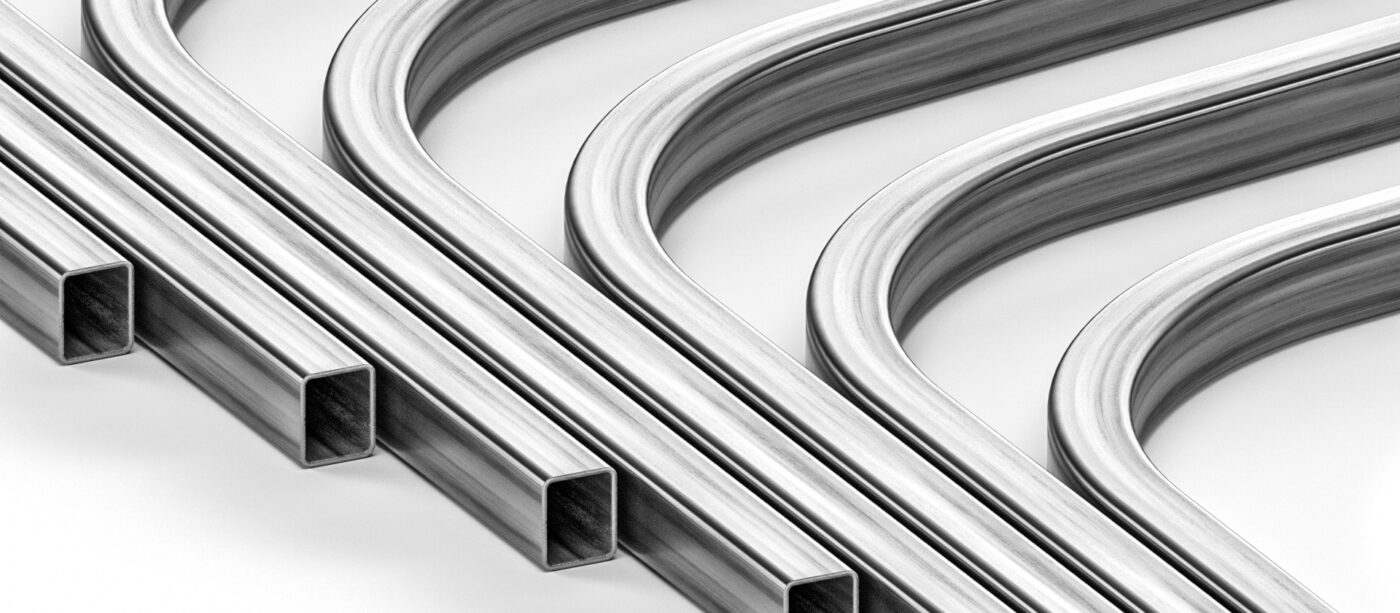
The material quantity difference becomes particularly relevant in large biogas installations where the total volume of structural components is substantial. For instance, high-strength stainless steel hollow sections can be specified with thinner walls while maintaining required load-bearing capacity, resulting in material savings of up to 20-30% compared to standard stainless steel alternatives.
| Material Factor | Carbon Steel | High-Strength Stainless Steel |
|---|---|---|
| Initial Cost | Lower upfront investment | Higher initial price |
| Material Quantity | More material required | Less material needed due to strength |
| Installation Complexity | Higher due to weight | Lower due to reduced weight |
Project budgeting must also account for installation costs, which can be lower with stainless steel due to its reduced weight. The uniform strength across all axes under compressive load that square and rectangular hollow sections provide contributes to structural stability with less material, further improving the initial cost equation.
How does corrosion resistance impact the total lifecycle costs in biogas facilities?
Corrosion resistance is the single most significant factor impacting total lifecycle costs in biogas facilities. The biogas production environment contains highly corrosive compounds—primarily hydrogen sulfide (H₂S), carbon dioxide (CO₂), and various organic acids—that aggressively attack carbon steel, even when protective coatings are applied.
High-strength stainless steel withstands these corrosive elements without degradation, providing exceptional durability in this challenging environment. The corrosion resistance comes from the chromium-rich passive layer that forms on stainless steel surfaces, which self-repairs when damaged and provides continuous protection throughout the material’s service life.
This corrosion resistance translates directly into lifecycle cost benefits:
- Extended service life – Stainless steel structures typically last 25+ years in biogas environments versus 5-10 years for carbon steel
- Elimination of protective coating costs – No need for regular repainting or coating renewal
- Prevention of structural failures – Reduced risk of catastrophic failures due to corrosion-induced weakening
- Minimal thickness loss – Maintenance of structural integrity throughout service life
The aggressive chemistry of biogas production environments means carbon steel requires substantial ongoing investment in protective measures that ultimately only delay rather than prevent corrosion. These measures add significantly to the true cost of carbon steel in this application.
What maintenance cost differences exist between stainless and carbon steel in biogas applications?
Maintenance requirements represent a stark contrast between stainless and carbon steel in biogas environments. Carbon steel demands regular inspection, maintenance, and eventual replacement, creating a continuous cost burden throughout the facility lifecycle. Stainless steel requires minimal maintenance intervention, generating substantial operational savings.
The maintenance regime for carbon steel typically includes:
- Quarterly visual inspections for corrosion onset
- Annual detailed integrity assessments including thickness measurements
- Periodic surface preparation and recoating (typically every 2-5 years)
- Component replacement when corrosion compromises structural integrity
- Emergency repairs when unexpected failures occur
By contrast, high-strength stainless steel components require only occasional visual inspection and minimal intervention. This maintenance difference becomes particularly significant when considering the operational disruption caused by maintenance activities.
Facility downtime costs during maintenance periods must be factored into the total cost analysis. When a biogas plant must reduce or halt operations for component repairs or replacement, the financial impact includes not just direct maintenance expenses but also lost production revenue. The minimal maintenance requirements of stainless steel translate to near-continuous operation.
The cumulative maintenance savings over a typical 25-year facility lifespan often exceed the entire initial cost premium of stainless steel. This reality makes maintenance cost differential one of the strongest economic arguments for selecting high-strength stainless steel for biogas applications.
How do weight and structural stability affect biogas plant construction costs?
The superior strength-to-weight ratio of high-strength stainless steel hollow sections creates multiple construction cost advantages in biogas plants. These components provide exceptional structural stability with significantly less weight than carbon steel alternatives, which directly impacts foundation requirements, installation procedures, and overall project timelines.
Foundation costs represent a substantial portion of biogas plant construction budgets. The reduced weight of stainless steel structures often permits less extensive foundations, particularly in challenging soil conditions. This weight advantage translates to concrete and excavation savings that can partially offset the higher material costs of stainless steel.
Installation advantages include:
- Reduced heavy lifting equipment requirements
- Faster assembly with smaller installation teams
- Lower transportation costs to site
- Simplified handling in confined spaces
- Reduced worker fatigue during installation
The uniform strength across all axes under compressive load that square hollow sections provide delivers optimal structural stability with minimal material. This property is particularly valuable in biogas plants where tanks and processing equipment create complex loading scenarios that benefit from the consistent performance of hollow section supports.
The construction phase advantages extend into operational benefits, as the structural stability of stainless steel components helps maintain critical alignments in processing equipment, preventing efficiency losses that can occur when supporting structures deform over time.
What is the return on investment timeline when choosing stainless steel for biogas plants?
The return on investment timeline for high-strength stainless steel in biogas plants typically ranges from 5-8 years, after which the lifecycle cost advantage accelerates significantly. This ROI calculation considers the total cost of ownership including initial investment, maintenance savings, operational reliability, and extended service life.
The ROI equation combines several key factors:
- Initial cost premium of stainless steel over carbon steel
- Annual maintenance savings from reduced inspection and repair
- Operational revenue preservation from minimized downtime
- Avoided replacement costs over facility lifetime
- Residual value at end of service life
For biogas facilities with particularly aggressive environments or high operational demands, the ROI timeline can be even shorter. The long-term economic benefits become most apparent when comparing complete lifecycle costs over a typical 25-year facility lifespan.
Lean duplex stainless steel offers particularly compelling ROI calculations due to its optimal balance of cost and performance. This high-strength material provides excellent corrosion resistance at a more moderate price point than full duplex or austenitic grades, making it ideal for biogas applications where cost-effectiveness must be balanced with performance requirements.
The most comprehensive ROI analysis also considers the reduced risk profile that stainless steel provides. The lower probability of unexpected failures, emergency replacements, and associated safety incidents represents a significant but often uncalculated economic advantage in favour of high-strength stainless steel solutions.
Contact our technical team for a detailed lifecycle cost analysis comparing high-strength stainless steel solutions with carbon steel alternatives for your specific biogas project requirements.
Explore our complete range of stainless steel solutions engineered specifically for the demanding environments of biogas and wastewater treatment facilities.
This article was created with the help of AI and reviewed by a human. It may include mistakes.