
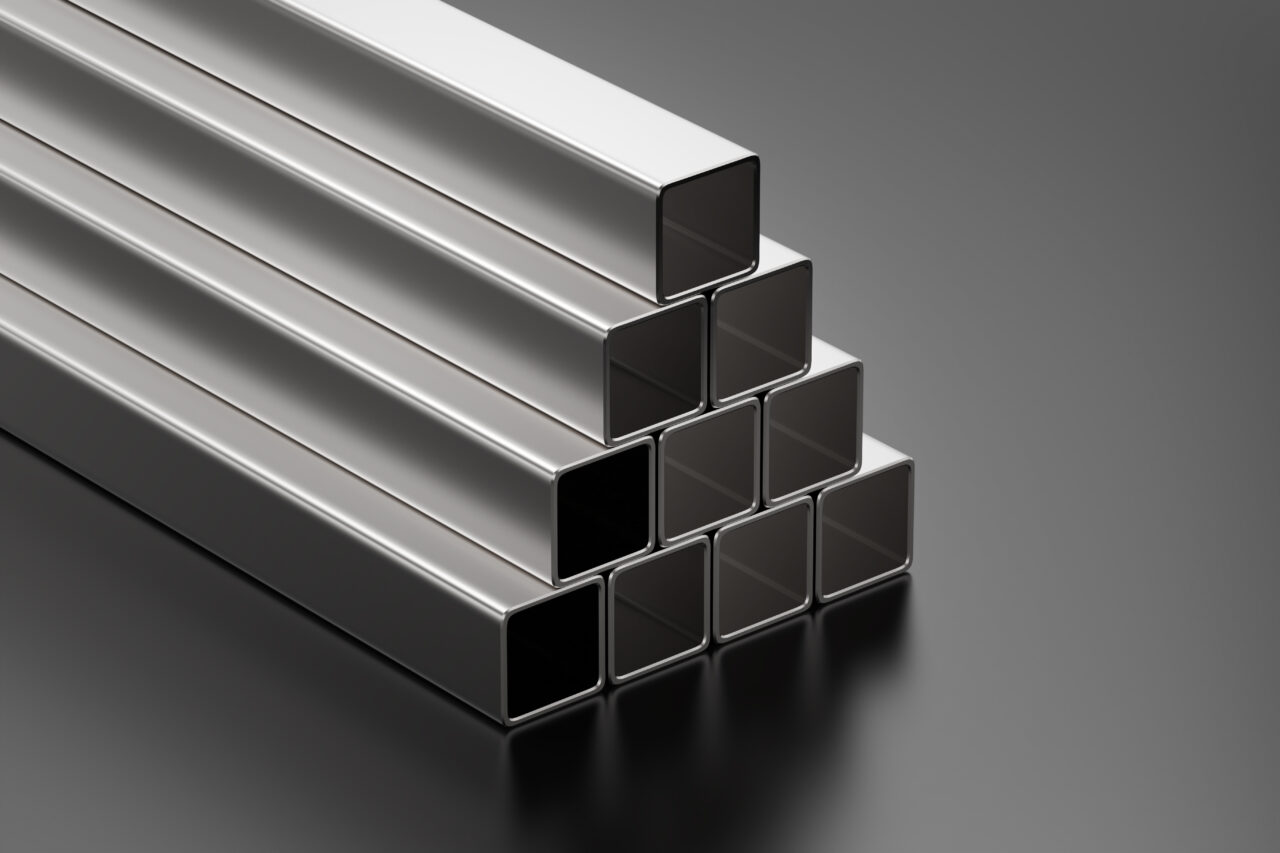
Multiple industries benefit from high-strength MEGC (Multiple-Element Gas Container) structural components, with chemical processing, transportation, and maritime sectors gaining the most advantage. These sectors require exceptional corrosion resistance, uniform strength distribution, and superior load-bearing capacity that high-strength stainless steel provides. MEGC components manufactured from lean duplex stainless steel deliver optimal performance in harsh environments whilst maintaining structural integrity with minimal weight.
Industries handling hazardous materials, extreme temperatures, or corrosive environments experience the greatest return on investment from high-strength stainless steel MEGC structures. Explore our complete range of high-strength stainless steel solutions engineered specifically for demanding industrial applications.
What are MEGC structural components and why is high-strength stainless steel ideal for them?
MEGC structural components form the framework of Multiple-Element Gas Containers designed to safely transport and store pressurised gases. These critical components include support frames, cross-members, and connection points that maintain the structural integrity of the entire container system under varying loads and environmental conditions.
High-strength stainless steel, particularly lean duplex (LDX), provides the ideal material solution for MEGC applications due to its exceptional combination of properties:
- Superior corrosion resistance – Essential for protecting components exposed to atmospheric conditions, chemical agents, and maritime environments
- Uniform strength distribution – Square hollow sections deliver consistent strength across all axes, critical under compressive loading conditions
- Exceptional strength-to-weight ratio – Lean duplex stainless steel provides up to 50% higher strength than standard austenitic grades whilst maintaining excellent formability
The manufacturing process for these high-strength stainless steel components involves roll forming or press braking techniques that preserve material integrity whilst achieving precise dimensional tolerances. This production method ensures that MEGC structures maintain their stability under both static and dynamic loading conditions, a fundamental requirement for gas containment systems.
How does the chemical processing industry benefit from stainless steel MEGC components?
The chemical processing industry benefits from stainless steel MEGC components through enhanced safety, regulatory compliance, and significant cost savings over operational lifespans. These facilities handle aggressive chemicals, extreme temperature fluctuations, and high-pressure environments that demand exceptional material performance.
Stainless steel hollow sections provide uniform strength distribution across all axes under compressive load, which is crucial for chemical processing applications where structural failure could have catastrophic consequences. The square geometry of these components delivers consistent load-bearing capacity in multiple directions, unlike alternative profiles with directional strength limitations.
| Benefit | Impact on Chemical Processing |
|---|---|
| Corrosion Resistance | Withstands exposure to aggressive chemicals and cleaning agents |
| Temperature Stability | Maintains structural integrity during thermal cycling |
| Regulatory Compliance | Meets stringent safety standards for hazardous material handling |
The extended service life of high-strength stainless steel components significantly reduces maintenance requirements and replacement cycles, delivering substantial cost advantages for chemical processing facilities operating under strict safety protocols and production schedules.
What makes stainless steel MEGC frames essential in the transportation industry?
Stainless steel MEGC frames are essential in the transportation industry because they significantly increase payload capacity whilst maintaining structural integrity under dynamic loading conditions. The weight reduction achieved through high-strength stainless steel components translates directly to operational efficiency and cost savings.
Transportation applications subject MEGC structures to constant movement, vibration, and varying stress patterns that demand exceptional material stability. High-strength steel tubes manufactured through roll forming or press braking processes deliver the necessary stability under these dynamic conditions, a key differentiator compared to other structural profiles.
The practical benefits for transportation operators include:
- Increased payload capacity without compromising safety margins
- Reduced fuel consumption and emissions through weight optimisation
- Extended operational lifespan with minimal maintenance requirements
- Enhanced durability during frequent loading/unloading cycles
Why are maritime and offshore industries increasingly using high-strength stainless steel MEGC components?
Maritime and offshore industries increasingly use high-strength stainless steel MEGC components because these environments combine saltwater exposure, extreme weather conditions, and constant motion—challenges that high-strength stainless steel uniquely addresses. These sectors require materials that deliver exceptional performance with minimal maintenance requirements.
Square tubes provide uniform strength across all axes, delivering exceptional stability in maritime conditions where structural loading can occur from multiple directions simultaneously. This property is particularly valuable on vessels and offshore platforms subject to wave action, wind loading, and operational stresses.
The corrosion resistance of high-strength stainless steel translates to significantly reduced maintenance schedules in marine environments, where traditional materials would require frequent inspection, protective coating renewal, and eventual replacement. This lifecycle advantage makes high-strength stainless steel the economically superior choice despite higher initial investment.
How do high-strength MEGC components contribute to sustainability in industrial applications?
High-strength MEGC components contribute to sustainability in industrial applications through material efficiency, reduced transportation emissions, and extended operational lifespans. Lean duplex stainless steel enables significant weight reduction while maintaining required load-bearing capacity, resulting in substantial material savings throughout the product lifecycle.
The sustainability benefits include:
- Material optimisation – Up to 30% less material required compared to conventional options
- Transport efficiency – Lighter components reduce emissions during shipping and operation
- Extended lifespan – Minimal replacement cycles conserve resources and reduce waste
- Complete recyclability – 100% recyclable at end of life with minimal quality degradation
These sustainability advantages align with increasingly stringent environmental regulations and corporate responsibility initiatives across industrial sectors. Contact our specialists to discuss how our high-strength MEGC structural components can support your sustainability objectives whilst delivering exceptional performance.
This article was created with the help of AI and reviewed by a human. It may include mistakes.