
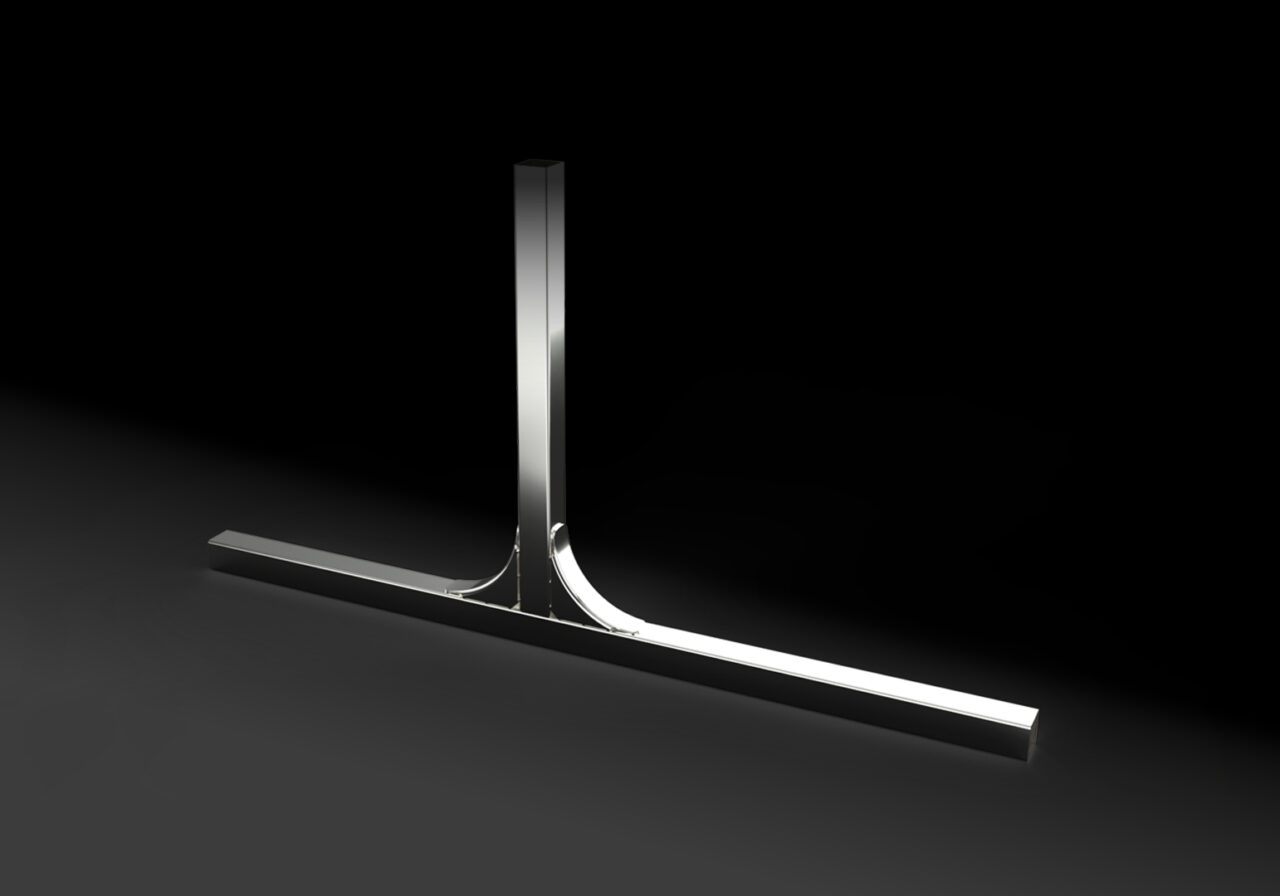
Duplex stainless steel is ideal for Multiple-Element Gas Container (MEGC) structural components due to its unique microstructure that combines austenitic and ferritic properties. This combination delivers superior strength-to-weight ratio, exceptional corrosion resistance, and outstanding mechanical properties under extreme conditions. For MEGC applications, where structural integrity is critical for safety and performance, duplex stainless steel provides the optimal balance of strength, durability, and resistance to environmental stressors while enabling weight reduction and extended service life.
When designing critical gas containment systems, the right material choice is essential for operational safety and efficiency. Explore our complete range of high-strength stainless steel products specifically engineered for demanding structural applications.
What are MEGC structural components and why are they important?
MEGC structural components form the critical framework of Multiple-Element Gas Containers, which are specialized transport units designed for carrying pressurized gases. These components include the main frame, support structures, lifting mechanisms, and connection elements that together ensure the safe containment and transportation of hazardous gases across various environments.
The importance of these components cannot be overstated as they must withstand extreme pressure, temperature fluctuations, and potential exposure to corrosive environments. MEGC structural integrity directly impacts safety during transport, loading, and unloading operations, with failure potentially leading to catastrophic consequences.
These components must meet rigorous international safety standards and performance requirements, including:
- Exceptional structural strength to support multiple pressure vessels
- Resistance to environmental stresses including corrosion and temperature extremes
- Optimal weight distribution for safe transportation
- Long-term dimensional stability under dynamic loads
What makes duplex stainless steel different from other stainless steel grades?
Duplex stainless steel stands apart from conventional stainless steel grades through its distinctive microstructure that combines approximately 50% austenitic and 50% ferritic phases. This dual-phase structure creates a material with superior mechanical and corrosion-resistant properties that conventional single-phase stainless steels cannot match.
The most significant difference is strength – duplex grades typically offer yield strength approximately twice that of standard austenitic stainless steels. This allows for thinner wall sections and significant weight reduction without compromising structural integrity, a critical advantage in transport applications like MEGCs.
Other key differentiating factors include:
| Property | Duplex Stainless Steel | Conventional Austenitic Stainless Steel |
|---|---|---|
| Yield Strength | 450-550 MPa | 220-290 MPa |
| Stress Corrosion Cracking Resistance | Excellent | Moderate |
| Weight Efficiency | High (allows thinner sections) | Moderate |
| Thermal Conductivity | Higher | Lower |
How does lean duplex stainless steel (LDX) enhance MEGC performance?
Lean duplex stainless steel (LDX) specifically enhances MEGC performance through its optimized alloy composition that maintains exceptional strength while reducing costly alloying elements. This creates a more economical high-performance material that doesn’t compromise on the critical properties required for gas container structural components.
In MEGC applications, LDX provides superior stress distribution capabilities due to its high yield strength, allowing structural components to withstand the substantial loads imposed by multiple gas elements. This strength enables the design of more efficient structures with reduced material usage while maintaining rigorous safety margins.
The environmental stress resistance of LDX is particularly valuable in MEGCs that may be exposed to varied atmospheric conditions, coastal environments, or chemical exposures during their operational lifetime. Even with reduced nickel content compared to standard duplex grades, LDX maintains excellent corrosion resistance while delivering the following performance benefits:
- Weight reduction of up to 30% compared to conventional stainless steel designs
- Enhanced fatigue resistance for components subject to cyclic loading
- Superior impact strength even at low temperatures
- Excellent dimensional stability under thermal cycling conditions
What manufacturing processes ensure optimal structural integrity for MEGC components?
The structural integrity of MEGC components depends heavily on precision manufacturing processes that maintain material properties while creating the required forms. For high-strength stainless steel sections, roll forming and press braking represent the primary methods for producing components with consistent properties and dimensional accuracy.
Roll forming enables the production of long, uniform hollow sections with exceptional straightness and consistent wall thickness. This process involves progressively bending the stainless steel sheet through a series of rollers until it reaches the desired profile. For MEGC applications, this creates structural components with highly predictable mechanical properties and minimal residual stress.
Press braking allows for more complex formations and is particularly valuable for creating connection points and specialized structural elements within the MEGC framework. The precision of modern press braking techniques ensures that the high-strength properties of duplex stainless steel are maintained throughout the forming process.
Both manufacturing methods preserve the critical microstructure of the duplex stainless steel, ensuring that the finished components deliver the expected combination of strength, corrosion resistance, and dimensional stability essential for MEGC applications.
How do square stainless steel tubes improve load distribution in MEGC applications?
Square stainless steel tubes significantly improve load distribution in MEGC applications by providing uniform strength across all axes, creating a substantial advantage under the compressive loads typical in gas container structures. Unlike round tubes or other profiles, square tubes offer consistent resistance to bending in all directions, enhancing the overall structural stability of the MEGC framework.
The geometry of square tubes creates natural flat surfaces for connections and attachments, simplifying assembly and increasing the reliability of welded or bolted joints. This is particularly important in MEGC structures, where connection integrity is critical for safety and operational performance.
High-strength steel tubes in square formats provide additional benefits through their superior torsional resistance, which helps maintain the geometric stability of the MEGC during handling, transport, and environmental exposure. The dimensional consistency of precision-manufactured square tubes also ensures predictable load paths throughout the structure, eliminating weak points that could compromise safety margins.
In practical applications, these advantages translate to MEGCs that can withstand higher loads with less material, operate safely in more demanding conditions, and maintain their structural integrity over longer service periods.
What sustainability benefits do high-strength stainless steel solutions offer for MEGC designs?
High-strength stainless steel solutions deliver significant sustainability benefits for MEGC designs through material efficiency, extended service life, and enhanced recyclability. The primary environmental advantage comes from material reduction – high-strength stainless steels allow for thinner wall sections while maintaining or improving performance, reducing the overall resource consumption in manufacturing.
The exceptional durability of these materials translates directly to sustainability through dramatically extended service lifespans. MEGCs constructed with high-strength duplex stainless steel typically require less maintenance and fewer replacements, reducing the lifetime environmental impact of these essential transport systems.
Additional sustainability benefits include:
- Reduced transportation energy consumption due to lighter component weight
- Lower carbon footprint through decreased material usage
- 100% recyclability at end-of-life with no degradation in material properties
- Elimination of protective coatings or treatments that might contain environmentally harmful substances
- Decreased lifetime maintenance requirements reducing operational environmental impacts
These sustainability advantages combine with performance benefits to make high-strength stainless steel the optimal material choice for forward-thinking MEGC designs that balance safety, efficiency, and environmental responsibility.
The exceptional properties of duplex stainless steel make it the preferred choice for critical MEGC structural components where failure is not an option. Discover our complete range of high-strength stainless steel solutions engineered specifically for the most demanding applications. For personalized assistance with your specific MEGC requirements, contact our team of stainless steel experts today.
This article was created with the help of AI and reviewed by a human. It may include mistakes.