
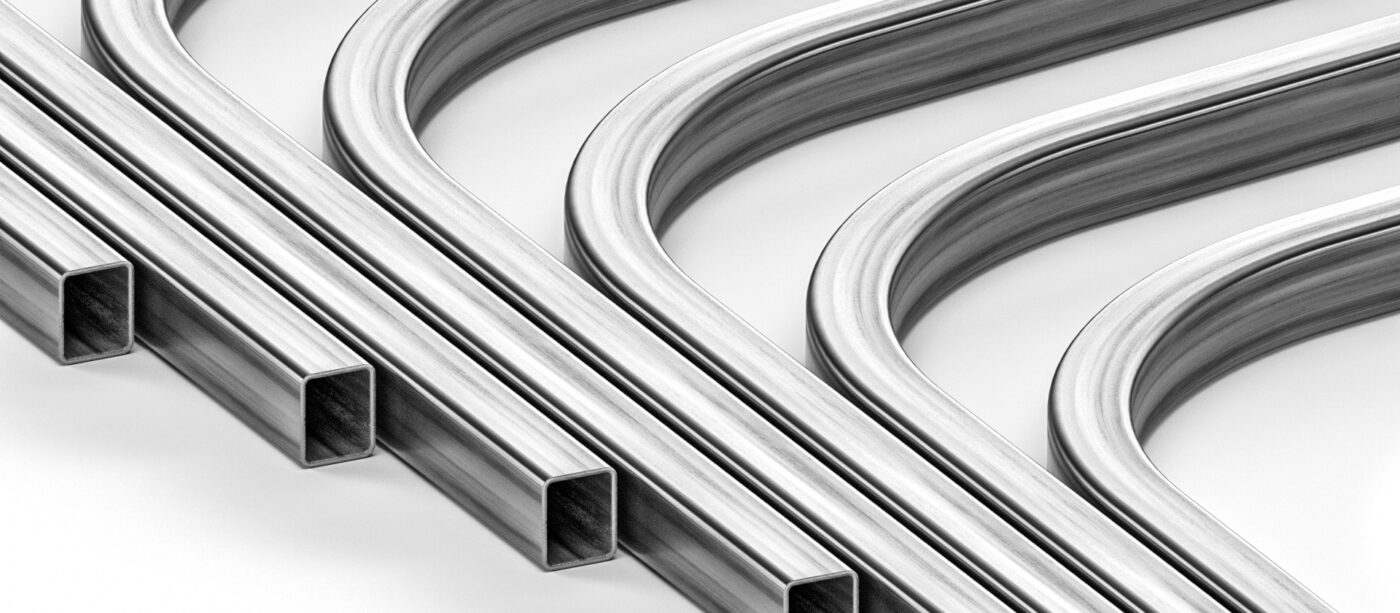
High-strength stainless steel components reduce CO2 emissions throughout their entire lifecycle. Their superior strength-to-weight ratio allows for thinner walls and lighter structures while maintaining structural integrity, reducing material usage by up to 30% compared to conventional options. This material efficiency translates to lower carbon emissions during manufacturing, transportation, installation, and operational phases. Additionally, the exceptional corrosion resistance of high-strength stainless steel eliminates the need for protective treatments and extends service life, further reducing the environmental footprint. Explore our complete range of high-strength stainless steel products engineered for optimal environmental performance.
How do high-strength stainless steel components contribute to CO2 emission reduction?
High-strength stainless steel components reduce CO2 emissions primarily through significant material efficiency. By offering superior strength at lower weight, these components require substantially less raw material while delivering the same or better structural performance. This efficiency begins at the manufacturing stage and continues throughout the product lifecycle.
The material reduction advantage is particularly evident with lean duplex (LDX) stainless steel. This high-strength material allows engineers to design structures with thinner walls and reduced dimensions without compromising load-bearing capacity. The direct result is lower carbon emissions from reduced material production, processing, and transportation.
Beyond material savings, high-strength stainless steel components offer environmental benefits through their exceptional durability. Their resistance to corrosion, stress, and fatigue means they require minimal maintenance and offer extended service life, eliminating the carbon footprint associated with frequent replacements and repairs that conventional materials often demand.
What makes lean duplex stainless steel (LDX) more environmentally friendly than conventional materials?
Lean duplex stainless steel (LDX) is more environmentally friendly primarily because of its superior strength-to-weight ratio. This property allows for material reductions of up to 30% compared to conventional stainless steel grades, directly translating to proportional reductions in embodied carbon and resource consumption.
LDX contains a balanced microstructure that delivers exceptional strength with lower nickel content than traditional austenitic grades. This composition requires less extraction of critical raw materials while maintaining superior corrosion resistance and mechanical properties. The reduced alloying content also means less energy-intensive processing during manufacturing.
The environmental advantages extend to application performance as well. LDX offers excellent resistance to stress corrosion cracking and pitting in harsh environments, eliminating the need for protective treatments or coatings that often contain environmentally harmful substances. This resistance ensures longer service life in demanding applications like Multiple-Element Gas Containers (MEGCs) and structural components exposed to aggressive conditions.
How does weight reduction in stainless steel components translate to carbon emission savings?
Weight reduction in stainless steel components directly translates to carbon emission savings across the entire product lifecycle. Every kilogram of material eliminated represents carbon that isn’t released during mining, refining, manufacturing, and transportation processes. High-strength stainless steel enables these weight reductions while maintaining structural integrity.
The carbon benefits compound during transportation. Lighter components require less fuel for delivery to fabrication facilities and final installation sites. For mobile applications like transport structures and MEGCs, the weight savings contribute to reduced operational emissions throughout the product’s service life. These components allow for higher payload capacity without increasing total weight, improving transport efficiency.
The relationship between weight and emissions is particularly significant in large-scale projects where material quantities are substantial. When high-strength stainless steel tubes and profiles are used instead of conventional options, the cumulative effect of material reduction creates meaningful environmental impact through significantly lower lifecycle carbon footprint.
What role does structural stability play in the sustainability of stainless steel solutions?
Structural stability is a fundamental driver of sustainability in high-strength stainless steel solutions. Square tubes and profiles provide uniform strength distribution across all axes, ensuring optimal load-bearing performance with minimal material. This superior stability allows designers to create more efficient structures that use less material while meeting or exceeding performance requirements.
The enhanced structural performance of high-strength stainless steel tubes, particularly under compressive loads, eliminates the need for additional reinforcement or over-engineering that would otherwise increase material usage. The uniform distribution of forces across square and rectangular sections prevents premature failure and ensures long-term stability in demanding applications.
Beyond initial material savings, structural stability contributes to sustainability through longevity. Stable structures experience less deformation, fatigue, and stress concentration, extending service life and reducing the environmental impact of replacements. This combination of material efficiency and extended durability makes high-strength stainless steel components the environmentally responsible choice for critical structural applications. Contact our engineering team to discuss optimizing your structural design for sustainability.
How do manufacturing processes for high-strength stainless steel impact overall environmental performance?
Manufacturing processes for high-strength stainless steel significantly influence environmental performance through precision and efficiency. Roll forming and press braking techniques create precise geometries with minimal waste, optimising material usage compared to traditional methods. These processes maintain the material’s inherent properties without requiring additional treatments that could introduce environmental hazards.
The precision manufacturing approach ensures consistent wall thickness and dimensional accuracy across the entire component. This consistency eliminates weak points and allows engineers to design with exact tolerances rather than adding extra material as a safety margin. The result is structurally optimal components that use only the material absolutely necessary for their intended function.
Modern manufacturing facilities also implement energy efficiency measures and waste reduction strategies throughout the production process. From advanced machinery with lower energy consumption to material recovery systems that capture and recycle processing waste, these integrated approaches further reduce the environmental footprint of high-strength stainless steel components.
What are the long-term environmental benefits of choosing high-strength stainless steel components?
The long-term environmental benefits of high-strength stainless steel components extend well beyond manufacturing. Their exceptional durability and corrosion resistance result in service lives measured in decades rather than years, eliminating the environmental impact of frequent replacements. This longevity is particularly valuable in demanding applications where component failure would necessitate resource-intensive repairs or replacements.
Maintenance requirements for high-strength stainless steel components are minimal, further reducing lifetime environmental impact. Unlike conventional materials that may require regular protective treatments, surface refinishing, or replacement of degraded sections, stainless steel maintains its structural integrity and appearance with little or no intervention, eliminating the carbon footprint of maintenance activities.
At end of life, high-strength stainless steel components offer complete recyclability without loss of quality. The material can be reclaimed and repurposed into new products with minimal processing, creating a truly circular material cycle. This recyclability, combined with exceptional durability and reduced material requirements, makes high-strength stainless steel the environmentally responsible choice for sustainable construction and industrial applications. View our complete range of sustainable stainless steel solutions designed for optimal environmental performance.
This article was created with the help of AI and reviewed by a human. It may include mistakes.