
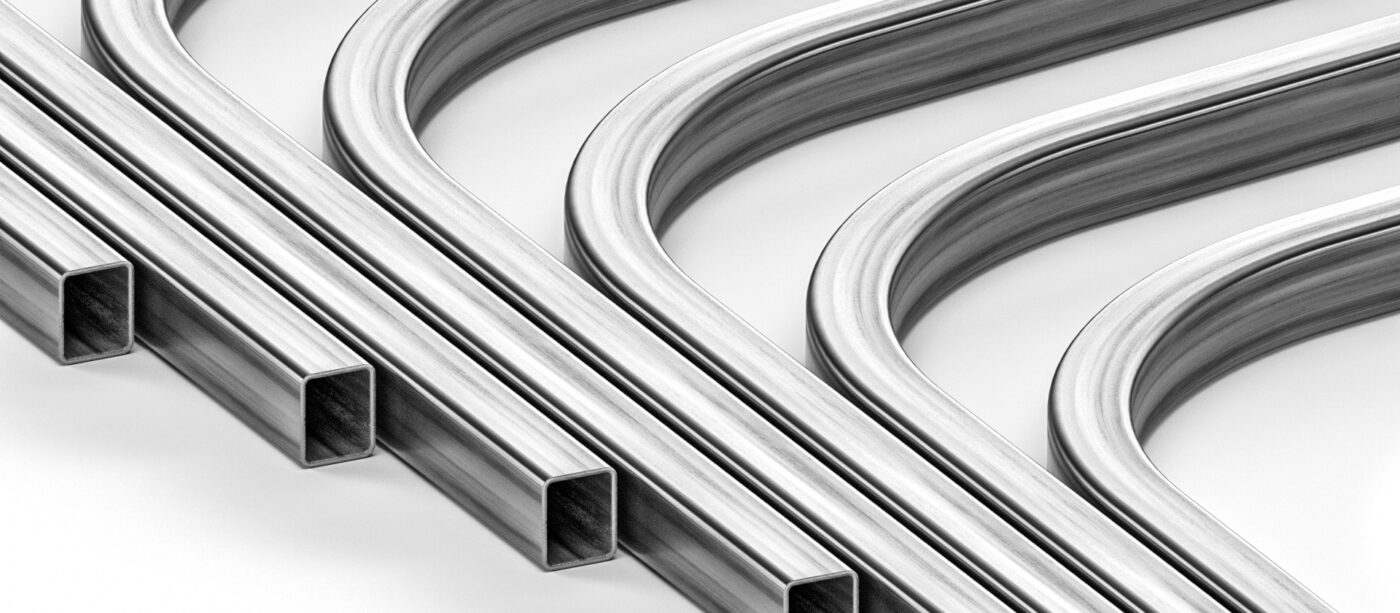
High-strength stainless steel MEGC (Multiple-Element Gas Container) components maintain exceptional performance across extreme temperature ranges due to their superior material properties and precise engineering. These specialized structural elements exhibit minimal thermal expansion, retain mechanical strength in both subzero and elevated temperatures, and resist corrosion even in harsh environmental conditions. The key to their performance lies in the material selection—particularly lean duplex stainless steel—and advanced manufacturing processes that ensure structural integrity under thermal stress.
What are high-strength MEGC components and why are they critical for extreme temperatures?
High-strength MEGC components are specialized stainless steel structural elements that form the framework of Multiple-Element Gas Containers used for transporting and storing compressed gases. These critical components include frames, supports, and connectors manufactured from high-strength stainless steel, particularly lean duplex stainless steel (LDX), which offers superior strength-to-weight ratios and exceptional durability in challenging environments.
These components are essential for extreme temperature applications because they must maintain structural integrity and gas containment safety across vast temperature variations. Unlike conventional materials, high-strength stainless steel preserves its mechanical properties in both cryogenic conditions and elevated temperatures, preventing catastrophic failures that could occur with thermal expansion, contraction, or strength degradation.
The exceptional performance of these components stems from their precise manufacturing through roll forming and press braking processes. Explore our complete range of high-strength stainless steel products designed specifically for demanding MEGC applications where temperature extremes present significant engineering challenges.
How does stainless steel material selection impact MEGC performance in temperature extremes?
Material selection fundamentally determines how MEGC components respond to temperature extremes. High-strength stainless steels, particularly lean duplex grades, maintain their structural integrity across a broader temperature spectrum than conventional materials. This superior performance stems from their balanced microstructure that provides excellent strength retention in both extremely cold and hot environments while offering enhanced corrosion resistance.
Thermal expansion characteristics represent a critical factor in material selection for extreme temperatures. High-strength stainless steels exhibit controlled thermal expansion coefficients, minimizing dimensional changes that could compromise structural integrity or create dangerous stress points. This stability ensures that gas-containing elements remain properly sealed and structurally sound even during rapid temperature fluctuations.
The uniform strength distribution across all axes in high-strength stainless steel tubes is particularly valuable under temperature stress. While conventional materials may weaken asymmetrically when exposed to temperature extremes, properly selected stainless steel maintains consistent performance across its entire structure. This balanced property distribution prevents localized weaknesses that could initiate structural failures in critical MEGC applications.
What temperature range can high-strength stainless steel MEGC components safely withstand?
High-strength stainless steel MEGC components typically maintain their structural integrity and performance characteristics across an operational temperature range of approximately -196°C to +800°C. This exceptional range enables these components to function effectively in applications spanning from cryogenic gas transport to high-temperature industrial processes without compromising safety or structural reliability.
In extremely cold environments reaching -100°C and below, high-strength stainless steel retains its ductility and impact resistance while conventional materials become dangerously brittle. This low-temperature performance is particularly crucial for transporting liquefied gases where component failure could lead to catastrophic releases.
At elevated temperatures exceeding 300°C, these specialized components continue to exhibit remarkable strength retention and dimensional stability. The inherent properties of high-strength stainless steel, particularly lean duplex grades, ensure that MEGC structures remain compliant with international safety standards such as EN 13458 (cryogenic vessels) and EN 13530 (transport tanks) across their entire operational temperature range.
How do square vs. rectangular stainless steel tubes compare in extreme temperature applications?
Square stainless steel tubes provide superior performance in extreme temperature applications due to their uniform strength distribution across all axes. This geometric uniformity ensures balanced thermal expansion and consistent stress distribution during temperature fluctuations, preventing the development of weak points that could compromise structural integrity in MEGC components.
Rectangular tubes, while offering design flexibility for specific load profiles, exhibit asymmetrical strength characteristics that can become problematic under thermal stress. Their different dimensional properties along each axis create varied thermal expansion rates that may introduce additional stresses during temperature cycling, potentially requiring more complex engineering accommodations in extreme temperature MEGC applications.
When comparing load-bearing capacity under temperature stress, square tubes maintain more consistent performance due to their balanced geometry. This uniformity is particularly valuable in applications where thermal cycling occurs regularly, as it reduces fatigue-related stress concentrations that can develop at corners and joints over time. For specialized MEGC applications with specific dimensional requirements, contact our engineering team to determine the optimal profile configuration.
What manufacturing processes ensure MEGC component integrity in temperature fluctuations?
Precision roll forming represents the primary manufacturing process for creating high-strength MEGC components with exceptional temperature resistance. This technique enables consistent wall thickness and precise dimensional control while maintaining the material’s inherent microstructure that contributes to thermal stability. The controlled forming process minimizes residual stresses that could otherwise lead to dimensional instability during temperature fluctuations.
For more complex geometric requirements, press braking provides an alternative manufacturing approach that maintains material integrity. This process must be precisely controlled to prevent microstructural changes that could compromise performance in temperature extremes. Both manufacturing methods ensure that the final components exhibit uniform properties without introducing structural vulnerabilities that could be exploited by thermal stress.
Quality control processes play a crucial role in ensuring temperature resistance, including non-destructive testing to verify structural integrity and dimensional stability across the operational temperature range. These verification steps confirm that high-strength stainless steel MEGC components will maintain their critical mechanical properties throughout their service life, even when subjected to repeated thermal cycling in demanding environments.
Discover our complete range of high-strength stainless steel MEGC components engineered specifically for extreme temperature applications where structural integrity cannot be compromised.
This article was created with the help of AI and reviewed by a human. It may include mistakes.