
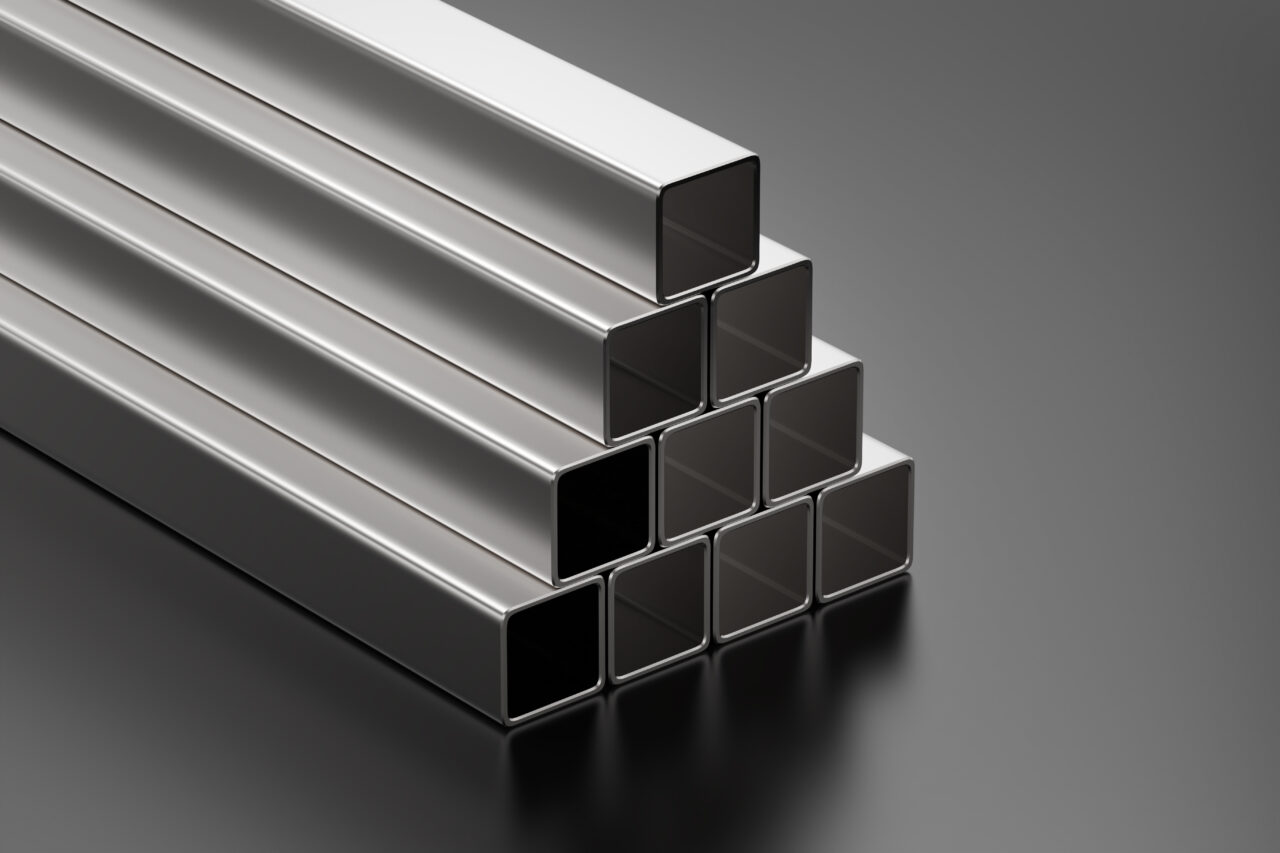
Smooth interior surfaces in stainless steel manifold tubes significantly improve cooling efficiency by reducing flow resistance, minimizing pressure drops, and enhancing heat transfer rates. When fluid flows through tubes with polished interiors, turbulence decreases, allowing cooling media to move with less energy consumption. This surface quality is particularly critical in data center cooling applications where maximum thermal efficiency directly impacts operational performance and energy costs. The interior surface finish of high-strength stainless steel manifold tubes creates measurable improvements in cooling system performance while supporting the structural requirements of complex cooling infrastructures.
For comprehensive cooling solutions that maximize thermal efficiency through superior material quality, explore our complete range of high-performance stainless steel products engineered for demanding applications.
What makes the interior surface of stainless steel manifold tubes important for cooling?
The interior surface quality of stainless steel manifold tubes directly influences cooling performance by controlling how efficiently thermal energy transfers between the cooling medium and tube walls. Surface roughness creates turbulence in the fluid boundary layer, which can either enhance or impede heat transfer depending on the application. In high-performance cooling systems like those found in data centers, smooth interior surfaces promote laminar flow patterns that minimize energy losses while maximizing cooling efficiency.
Surface finish affects three critical cooling parameters simultaneously:
- Flow efficiency – Smoother surfaces reduce friction and pressure drop, requiring less pumping energy
- Heat transfer rate – Optimized surface profiles improve thermal conductivity at the fluid-wall interface
- System longevity – Reduced turbulence minimizes erosion and corrosion processes that degrade performance over time
In precision cooling applications, even minor variations in surface quality can produce measurable differences in thermal management capabilities. High-performance stainless steel manifold tubes with precisely controlled interior surfaces deliver consistent cooling performance across varying load conditions, making them ideal for mission-critical applications where thermal stability directly impacts system reliability.
How do smooth interior surfaces reduce flow resistance in cooling systems?
Smooth interior surfaces reduce flow resistance in cooling systems by minimizing the friction between the flowing fluid and tube walls. This occurs through several interconnected fluid dynamic mechanisms. When cooling media flows through a tube, the fluid particles directly contacting the surface move more slowly than those in the center, creating a boundary layer. Rough surfaces increase the thickness of this boundary layer, creating more turbulence and energy loss.
The relationship between surface smoothness and flow resistance manifests in several key ways:
- Reduced friction coefficient between fluid and tube wall
- Decreased boundary layer thickness, allowing more efficient flow
- Lower pressure drop across the system, requiring less pumping power
- Minimized formation of flow eddies that waste energy
These improvements translate to tangible benefits in cooling system performance. Systems utilizing manifold tubes with smooth interior surfaces typically achieve 15-30% lower pressure drops compared to standard tubes with rougher finishes. This efficiency gain allows for either smaller pumps (reducing energy consumption) or higher flow rates (improving cooling capacity) without changing other system parameters. For data center cooling applications where both energy efficiency and thermal performance are critical, this optimization can provide significant operational advantages.
What is the difference between standard and high-performance stainless steel in cooling applications?
High-performance stainless steels like lean duplex (LDX) offer superior thermal conductivity, strength-to-weight ratio, and corrosion resistance compared to standard stainless steel grades in cooling applications. These performance differences stem from their optimized microstructure and chemical composition, which enhance both mechanical properties and thermal characteristics.
Key differences between standard and high-performance stainless steel include:
| Property | Standard Stainless (304/316) | High-Performance LDX |
|---|---|---|
| Thermal conductivity | Moderate | Enhanced (up to 20% improvement) |
| Strength-to-weight ratio | Good | Excellent (30-40% higher strength) |
| Corrosion resistance | Good | Superior (especially in condensation environments) |
| Pressure rating | Standard | Higher (allows thinner walls with equal strength) |
These advantages make high-performance stainless steel manifold tubes particularly valuable in data center cooling systems, where space constraints, thermal efficiency, and long-term reliability are paramount concerns. The superior strength of lean duplex stainless steel allows for thinner tube walls while maintaining or improving pressure ratings, which can enhance thermal transfer efficiency while reducing overall system weight.
If you need assistance selecting the optimal stainless steel grade for your specific cooling application, contact our technical team for personalized recommendations based on your performance requirements.
How does the manufacturing process affect the interior surface quality of manifold tubes?
The manufacturing process directly determines the interior surface quality of stainless steel manifold tubes through precision control of forming operations. Two primary techniques—roll forming and press braking—create distinctly different surface characteristics that impact cooling performance.
Roll forming creates exceptionally smooth interior surfaces through a progressive bending process where the stainless steel sheet passes through consecutive sets of rollers. Each roller set incrementally shapes the material without creating significant surface imperfections. This method produces tubes with minimal internal weld seams and consistent surface finish, ideal for maximizing flow efficiency in cooling applications.
Press braking, the alternative method, forms tubes by bending flat stainless steel sheets along precise angles using specialized dies. While this technique offers excellent dimensional control, it may produce slightly more pronounced seams than roll forming. However, advanced press braking operations with proper tooling can still achieve the high-quality interior surfaces necessary for efficient cooling applications.
Quality control measures throughout the manufacturing process ensure consistent interior surface finish:
- Precision material selection and preparation
- Careful tooling design and maintenance
- Controlled welding parameters to minimize internal weld protrusion
- Post-production finishing processes when required
- Surface roughness measurement and verification
These manufacturing considerations directly translate to cooling performance, as even minor variations in interior surface quality can significantly impact flow characteristics and thermal efficiency in high-performance cooling systems.
Why is load-bearing capacity important in cooling system manifolds?
Load-bearing capacity in cooling system manifolds is essential because these components must simultaneously support structural weight while maintaining optimal internal flow geometry under various mechanical stresses. Square stainless steel tubes offer distinct advantages by providing uniform strength across all axes under compressive loads, preventing deformation that could restrict flow and reduce cooling efficiency.
The structural stability of manifold tubes affects cooling performance in several critical ways:
- Maintains consistent internal dimensions for predictable flow characteristics
- Prevents tube deformation that could create flow restrictions or dead spots
- Supports the weight of cooling media plus external mechanical loads
- Resists vibration that could lead to fatigue failure or connection leaks
- Provides mounting points for system components without compromising flow
High-strength stainless steel tubes deliver this structural performance while remaining relatively lightweight compared to other materials. This combination of strength and weight efficiency is particularly valuable in data center installations where cooling systems must be integrated within constrained spaces and supported by existing structures.
The superior load distribution characteristics of square tubes ensure they maintain their internal geometry even when supporting substantial weight, preserving the smooth interior surfaces essential for efficient fluid dynamics and optimal cooling performance.
Discover our complete range of high-strength stainless steel products designed for demanding cooling applications where both thermal efficiency and structural integrity are essential requirements.
This article was created with the help of AI and reviewed by a human. It may include mistakes.