
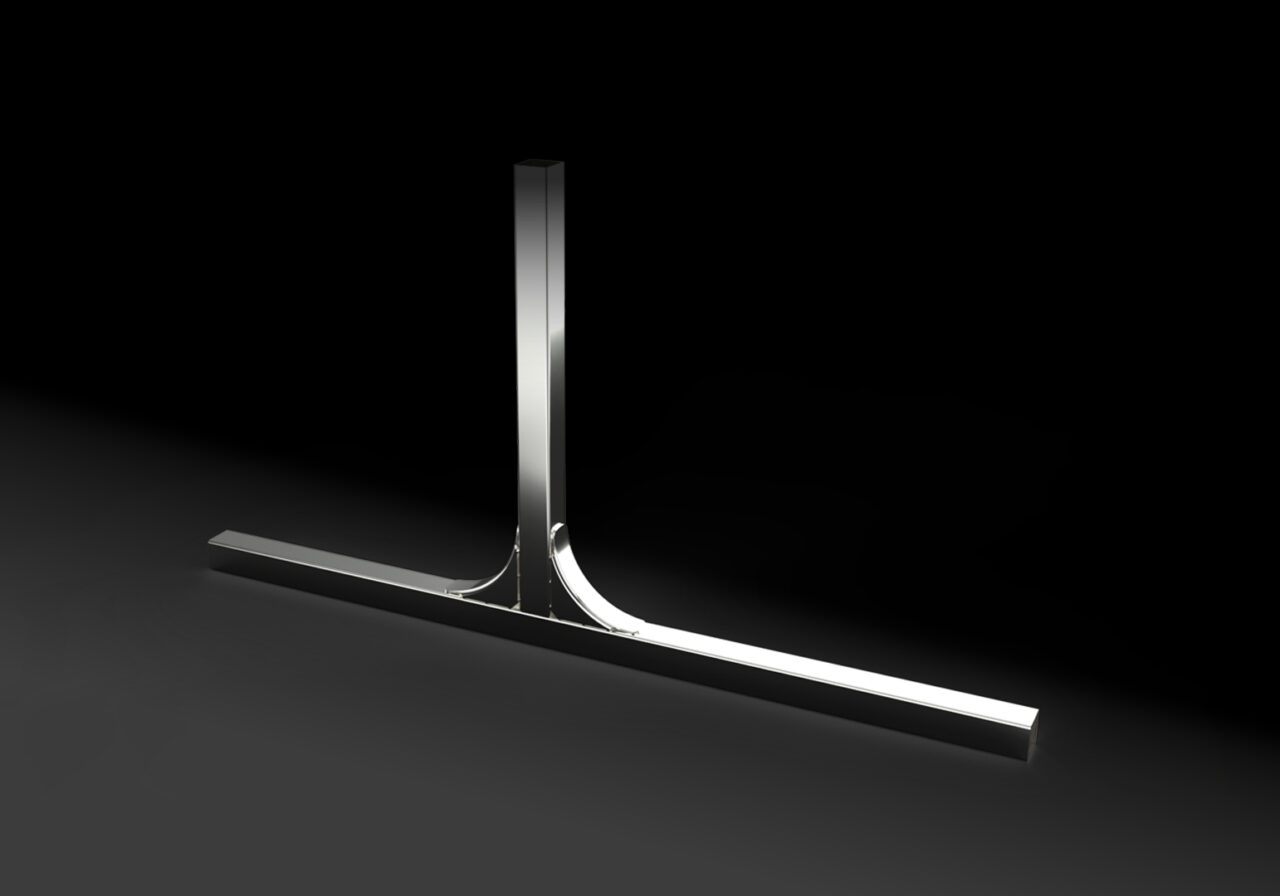
Stainless steel manifold systems provide cooling capacity ranging from 10 kW to several megawatts, depending on system design, material properties, and fluid dynamics. High-strength stainless steel manifolds excel in data center environments due to their superior thermal conductivity, corrosion resistance, and structural stability during temperature fluctuations. Their cooling performance is enhanced by precise engineering of wall thickness, connection methods, and flow path optimization which maximizes heat transfer whilst maintaining structural integrity under thermal stress.
Exploring high-performance cooling solutions for your data center infrastructure? Discover our complete range of stainless steel products engineered for optimal thermal management.
What determines the cooling capacity of stainless steel manifold systems?
The cooling capacity of stainless steel manifold systems is primarily determined by four key factors: thermal conductivity of the steel grade, wall thickness specifications, system design configuration, and flow dynamics. High-strength stainless steel provides an optimal balance of thermal performance and structural integrity, with conductivity values typically ranging from 14-16 W/(m·K) for standard austenitic grades.
Material properties significantly influence cooling performance. While stainless steel’s thermal conductivity is lower than some metals, its superior corrosion resistance prevents performance degradation over time. This maintains consistent heat transfer efficiency throughout the system’s operational lifespan—crucial for mission-critical applications like data centers.
Manufacturing precision also plays a vital role in cooling capacity. Our roll forming and press braking techniques create manifolds with exact dimensional tolerances, ensuring uniform wall thickness and optimal fluid passage geometry. This precision manufacturing eliminates turbulence-causing irregularities and maximizes thermal transfer efficiency across the entire manifold system.
The geometric design of manifold headers and distribution tubes further influences cooling performance. Properly engineered flow paths minimize pressure drops while maximizing contact surface area, allowing coolants to extract heat more efficiently from the surrounding environment. This balance between flow resistance and heat transfer surface is fundamental to achieving optimal cooling capacity.
How does lean duplex stainless steel improve manifold cooling performance?
Lean duplex stainless steel (LDX) significantly improves manifold cooling performance through its enhanced strength-to-weight ratio, superior corrosion resistance, and improved thermal stability compared to conventional stainless steel grades. This high-performance material allows for thinner wall designs without sacrificing structural integrity, thereby reducing thermal resistance and improving heat transfer efficiency.
The dual-phase microstructure of lean duplex steel combines the beneficial properties of both austenitic and ferritic stainless steels. This unique metallurgical composition provides excellent resistance to stress corrosion cracking—particularly valuable in cooling applications where temperature fluctuations create constant expansion and contraction cycles. By maintaining structural integrity under these conditions, LDX manifolds deliver consistent cooling performance over extended operational periods.
Weight reduction is another significant advantage offered by lean duplex stainless steel. Manifold systems utilizing LDX can be up to 30% lighter than those made with conventional grades whilst maintaining the same load-bearing capacity. This reduced mass improves installation efficiency and reduces structural support requirements, particularly beneficial in data center environments where space utilization is critical.
Furthermore, lean duplex stainless steel exhibits excellent resistance to pitting and crevice corrosion, which can be significant concerns in cooling applications where condensation may occur. This corrosion resistance prevents performance degradation over time and ensures the cooling system maintains its designed thermal capacity throughout its service life.
What cooling capacity advantages do square stainless steel tubes offer in manifold systems?
Square stainless steel tubes provide distinct cooling capacity advantages in manifold systems through their uniform strength distribution, optimized fluid dynamics, and superior structural stability. The consistent geometry of square tubes creates even wall thickness along all sides, eliminating weak points and ensuring uniform heat transfer across the entire surface area.
The primary thermal performance benefit comes from the tube’s ability to maintain structural integrity under varying temperature conditions. Square tubes offer uniform strength across all axes, which is particularly valuable under thermal stress when expansion and contraction forces act upon the system. This geometric stability prevents deformation that could restrict fluid flow or create inefficient heat transfer zones.
Fluid dynamics within square tubes also contribute to improved cooling performance. The consistent internal cross-section creates predictable flow patterns that can be precisely engineered for optimal thermal transfer. While round tubes offer lower friction, square tubes provide better space utilization and more effective manifold header connections, allowing for more efficient overall system design in space-constrained applications.
Additionally, square stainless steel tubes offer superior mounting and connection options, creating more robust manifold assemblies. These secure connections reduce the risk of leaks and ensure consistent flow throughout the system, maintaining designed cooling capacity even under variable load conditions. The flat surfaces also provide excellent contact for thermal transfer at connection points, improving overall system efficiency.
How do different stainless steel grades affect manifold cooling capacity?
Different stainless steel grades significantly affect manifold cooling capacity through variations in thermal conductivity, temperature resistance ranges, and corrosion performance. Austenitic grades like 304 and 316 offer thermal conductivity values of approximately 14-16 W/(m·K), providing a balanced combination of heat transfer efficiency and corrosion resistance suitable for most cooling applications.
Ferritic stainless steels typically provide higher thermal conductivity (up to 25 W/(m·K)) than austenitic grades, making them potentially more efficient for heat transfer. However, their reduced corrosion resistance in certain environments must be carefully evaluated for specific cooling applications. This trade-off between thermal performance and long-term durability highlights the importance of proper material selection.
Duplex and lean duplex stainless steels represent an optimal middle ground, offering improved thermal performance compared to standard austenitic grades while maintaining excellent corrosion resistance. Their enhanced strength-to-weight ratio allows for thinner wall sections that improve heat transfer whilst maintaining structural integrity under pressure and temperature variations.
Temperature range tolerance also varies significantly between grades. Higher-performance austenitic grades maintain their mechanical properties at extreme temperatures, which is crucial for cooling systems with wide operating temperature variations. When selecting a stainless steel grade for manifold systems, it’s essential to consider both the normal operating temperatures and potential extreme conditions the system might experience.
What design considerations maximize cooling efficiency in stainless steel manifolds?
Maximizing cooling efficiency in stainless steel manifolds requires careful consideration of wall thickness, connection methods, surface treatments, and flow path optimization. Wall thickness must balance structural requirements with thermal conductivity—thinner walls improve heat transfer but must maintain sufficient strength for pressure containment and structural integrity under thermal cycling.
Connection methods significantly impact thermal performance. Welded connections provide excellent structural integrity but can create flow disruptions that reduce cooling efficiency. Precision manufacturing techniques that minimize internal weld protrusions and maintain consistent internal dimensions are essential for optimizing flow characteristics and thermal transfer performance.
Surface treatments can further enhance cooling performance. While maintaining the inherent corrosion resistance of stainless steel, specific surface finishes can improve flow characteristics by reducing friction and turbulence. Internally polished surfaces decrease resistance to fluid flow, allowing for more efficient circulation with lower pumping energy requirements.
Flow path design represents perhaps the most critical aspect of manifold cooling efficiency. Properly engineered manifold headers that evenly distribute fluid across all cooling circuits prevent flow imbalances that could create hot spots or inefficient cooling zones. Computational fluid dynamics analysis allows us to optimize these flow paths, ensuring uniform cooling performance across the entire system while supporting large thermal loads with relatively low weight.
The geometric layout of the manifold system also impacts cooling capacity. Minimizing the number of bends and maintaining consistent internal dimensions throughout the system reduces pressure drops and improves overall flow efficiency. Strategic placement of distribution points and careful sizing of headers and branches ensures optimal coolant distribution to all areas requiring thermal management.
Ready to enhance your data center cooling infrastructure with high-performance stainless steel manifold systems? Contact our engineering team to discuss your specific requirements and discover how our expertise can optimize your thermal management solutions.
Explore our complete range of stainless steel products designed for critical applications where performance, durability and reliability are non-negotiable.
This article was created with the help of AI and reviewed by a human. It may include mistakes.