
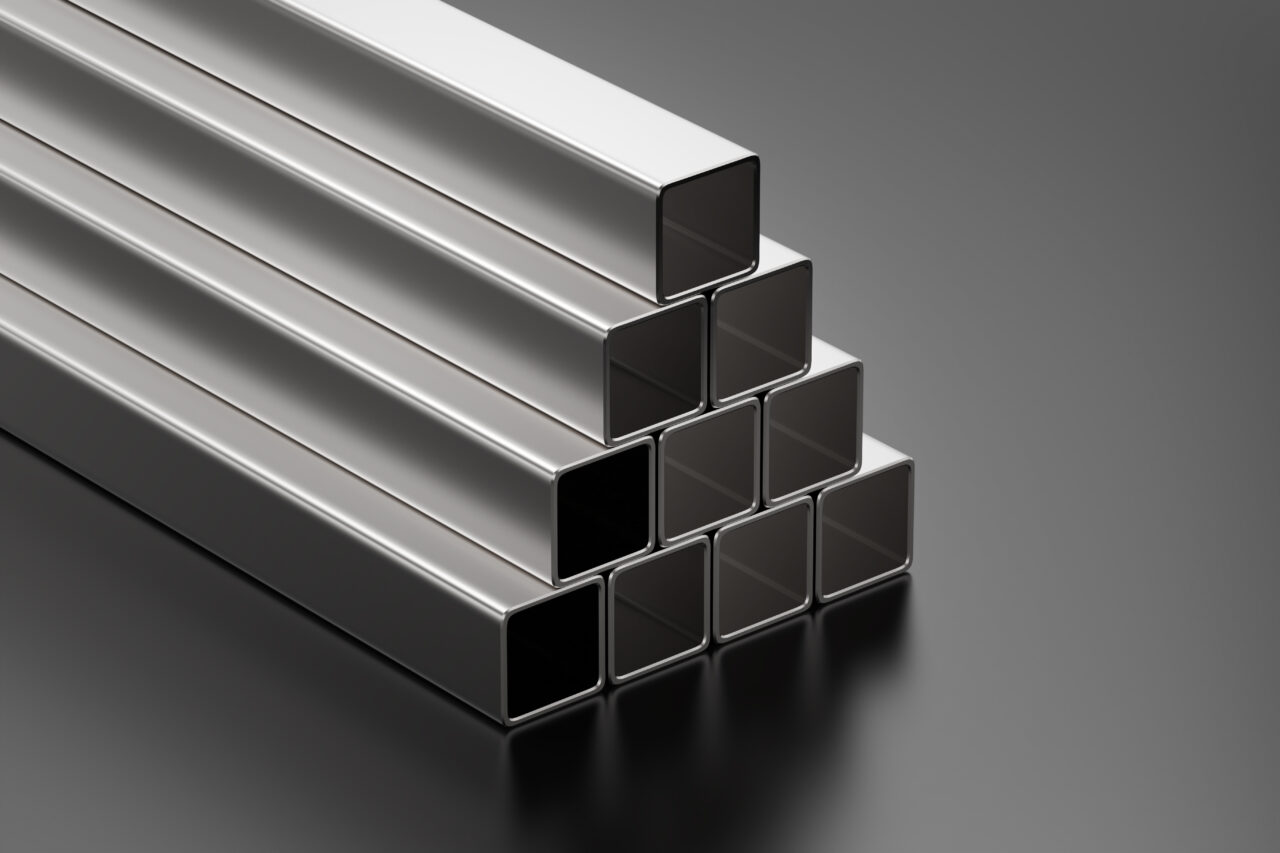
Stainless steel cooling manifolds require minimal but regular maintenance to ensure optimal performance and longevity. Essential maintenance includes quarterly visual inspections, annual professional assessments, connection tightness checks, proper cleaning with non-abrasive agents, and preventative replacement of worn components. High-strength stainless steel manifolds, particularly those made from lean duplex stainless steel (LDX), typically require less frequent maintenance due to superior corrosion resistance and structural stability.
The durability and performance of cooling manifolds are directly influenced by material quality and construction methods. Explore our complete range of high-strength stainless steel solutions engineered specifically for demanding industrial environments, including data center cooling infrastructure.
What is a stainless steel cooling manifold and how does it function?
A stainless steel cooling manifold is a critical component in industrial cooling systems that distributes and controls the flow of cooling fluids throughout a network of pipes. It functions as a central hub that receives fluid from a primary source and directs it through multiple outlet ports to various cooling zones or equipment, ensuring consistent temperature regulation and efficient heat dissipation.
In data center environments, these manifolds play an essential role in maintaining optimal operating temperatures for servers and computing equipment. The manifolds must withstand constant pressure, temperature fluctuations, and potential condensation while maintaining structural integrity. High-strength stainless steel construction, particularly lean duplex stainless steel (LDX), provides the ideal balance of durability and performance for these applications.
The superior structural properties of LDX manifolds include:
- Exceptional load-bearing capacity to support extensive piping networks
- Uniform strength distribution across all axes, particularly beneficial under compressive load
- Remarkable stability with relatively low weight compared to conventional alternatives
- Superior corrosion resistance in condensation-prone environments
- Excellent thermal stability during temperature fluctuations
These high-strength stainless steel manifolds are formed through precision roll forming or press braking processes, creating consistent structural integrity throughout the entire component without weak points that might develop in other manufacturing methods.
How often should stainless steel cooling manifolds be inspected?
Stainless steel cooling manifolds should undergo routine visual inspections quarterly and comprehensive professional assessments annually. This inspection schedule provides the optimal balance between operational confidence and maintenance efficiency, particularly for high-performance industrial cooling systems such as those found in data centers.
The inspection frequency should be adjusted based on several key factors:
| Environment | Recommended Inspection Frequency |
|---|---|
| Standard indoor conditions (data centers, clean industrial) | Quarterly visual, annual comprehensive |
| High-humidity environments | Monthly visual, bi-annual comprehensive |
| Corrosive industrial atmospheres | Monthly visual, quarterly comprehensive |
| Mission-critical applications | Monthly visual, quarterly comprehensive |
The inspection intervals for high-strength stainless steel manifolds can typically be extended compared to standard steel alternatives. This is particularly true for lean duplex stainless steel (LDX) manifolds, which demonstrate superior resistance to environmental stressors like condensation and temperature fluctuations. Their inherent durability and corrosion resistance properties significantly reduce deterioration rates, allowing for less frequent intensive inspections.
During routine inspections, technicians should check for connection integrity, signs of corrosion at joints, proper alignment, and any evidence of stress at mounting points. The uniform strength characteristics of high-quality stainless steel manifolds contribute to their long-term stability and reduced maintenance requirements.
What are the most common maintenance issues with stainless steel cooling manifolds?
The most common maintenance issues with stainless steel cooling manifolds include connection leakage, pressure point failures, gasket deterioration, mounting bracket stress, and galvanic corrosion at dissimilar metal interfaces. While high-strength stainless steel manifolds are inherently durable, these potential failure points require regular attention to ensure system integrity.
Connection integrity represents the primary maintenance concern for cooling manifolds. Over time, thermal cycling and vibration can gradually loosen threaded connections or stress gasket seals. This is particularly relevant in data center cooling applications where consistent performance is mission-critical. Regular inspection and retightening of connections can prevent the vast majority of manifold failures.
High-strength stainless steel manifolds manufactured using roll forming or press braking techniques offer significant advantages in addressing these common issues:
- Uniform material distribution eliminates weak points that might develop stress fractures
- Square tube designs provide consistent strength across all axes, offering superior performance under compressive load
- Increased structural stability reduces the likelihood of alignment issues developing over time
- Superior corrosion resistance minimises deterioration at connection points
- Reduced weight puts less stress on mounting hardware and supporting structures
Another common issue involves biofilm or mineral deposit accumulation inside manifolds, which can restrict flow and reduce cooling efficiency. Implementing a regular cleaning protocol and proper water treatment can significantly reduce this maintenance concern while preserving the inherent benefits of the stainless steel construction.
What cleaning procedures are recommended for stainless steel cooling manifolds?
The recommended cleaning procedure for stainless steel cooling manifolds involves regular external surface cleaning with mild detergent solutions, periodic internal flushing with appropriate cleaning agents, and professional descaling as needed. Proper cleaning maintains both the aesthetic appearance and functional performance of high-strength stainless steel components.
For external cleaning of stainless steel manifolds:
- Mix a mild detergent solution with warm water (avoid chloride-containing cleaners)
- Gently clean surfaces with a soft cloth or sponge, following the direction of the steel grain
- Rinse thoroughly with clean water to remove all detergent residue
- Dry completely with a clean, soft cloth to prevent water spots
- For stubborn stains, use a specialised stainless steel cleaner following manufacturer instructions
For internal cleaning, which should be performed during scheduled maintenance downtime:
- Disconnect the manifold from the cooling system following proper shutdown procedures
- Flush with an appropriate cleaning solution based on system specifications
- Circulate the cleaning solution for the recommended duration
- Flush thoroughly with clean water until all cleaning agents are removed
- Inspect connection points and seals before reinstallation
It’s essential to avoid abrasive cleaning tools, wire brushes, or acidic cleaners that might damage the passive oxide layer that gives stainless steel its corrosion resistance. This is particularly important for high-performance lean duplex stainless steel (LDX) manifolds where preserving material integrity ensures continued optimal performance and longevity.
Regular cleaning not only maintains appearance but also allows for visual inspection of connection points, welds, and mounting brackets to identify potential issues before they lead to system failures.
How can you extend the service life of stainless steel cooling manifolds?
To extend the service life of stainless steel cooling manifolds, implement a comprehensive maintenance programme including regular inspections, proper cleaning, connection monitoring, water treatment, vibration management, and appropriate system operation within design parameters. These practices maximise the inherent durability benefits of high-strength stainless steel construction.
Preventative maintenance represents the most effective approach to extending manifold lifespan. This includes creating a documented schedule for inspection, cleaning, and connection tightness verification. For mission-critical applications like data center cooling systems, these preventative measures are essential for ensuring continuous operation.
Additional best practices for maximising service life include:
- Maintaining proper water chemistry to prevent internal corrosion and scale buildup
- Installing vibration dampeners to reduce mechanical stress on connections
- Ensuring proper support for manifolds to prevent uneven loading
- Operating within designed pressure and temperature parameters
- Using compatible materials for all connected components
- Protecting against external environmental factors when installed in exposed locations
The inherent properties of high-strength stainless steel manifolds contribute significantly to extended service life. The superior structural stability and corrosion resistance of lean duplex stainless steel (LDX) products reduce maintenance requirements while providing exceptional load-bearing capacity and resistance to environmental stressors. These characteristics make them ideal for applications requiring long-term reliability with minimal intervention.
By combining proper maintenance practices with high-quality materials, cooling manifold systems can provide decades of reliable service in even the most demanding industrial applications. Contact our technical team for specific guidance on maximising the performance of your stainless steel cooling infrastructure.
When should stainless steel cooling manifolds be replaced rather than maintained?
Stainless steel cooling manifolds should be replaced rather than maintained when they show signs of structural compromise, have reached their design lifespan, exhibit irreparable leaks, demonstrate significant flow restrictions, or when system requirements have changed substantially. While high-strength stainless steel manifolds offer exceptional durability, all components eventually require replacement.
Key indicators that replacement may be more cost-effective than continued maintenance include:
- Visible cracking or deformation of the manifold body
- Persistent leaks that cannot be resolved through connection maintenance
- Significant internal corrosion or pitting identified during inspection
- Repeated failures despite proper maintenance procedures
- System performance issues traced to manifold flow restrictions
- Age exceeding the manufacturer’s recommended service life
When evaluating replacement versus continued maintenance, consider the total cost of ownership, including downtime costs, risk factors, and energy efficiency impacts. Often, replacing aging manifolds with modern high-strength stainless steel alternatives provides significant long-term benefits including improved system efficiency and reliability.
High-quality stainless steel manifolds manufactured using advanced forming techniques typically offer substantially longer service intervals before replacement becomes necessary. The superior structural properties of lean duplex stainless steel (LDX) products, including their exceptional stability and corrosion resistance, contribute to extended usable lifespans in demanding applications like data center cooling systems.
Discover our complete range of high-strength stainless steel products designed for exceptional durability and performance in critical applications.
This article was created with the help of AI and reviewed by a human. It may include mistakes.