
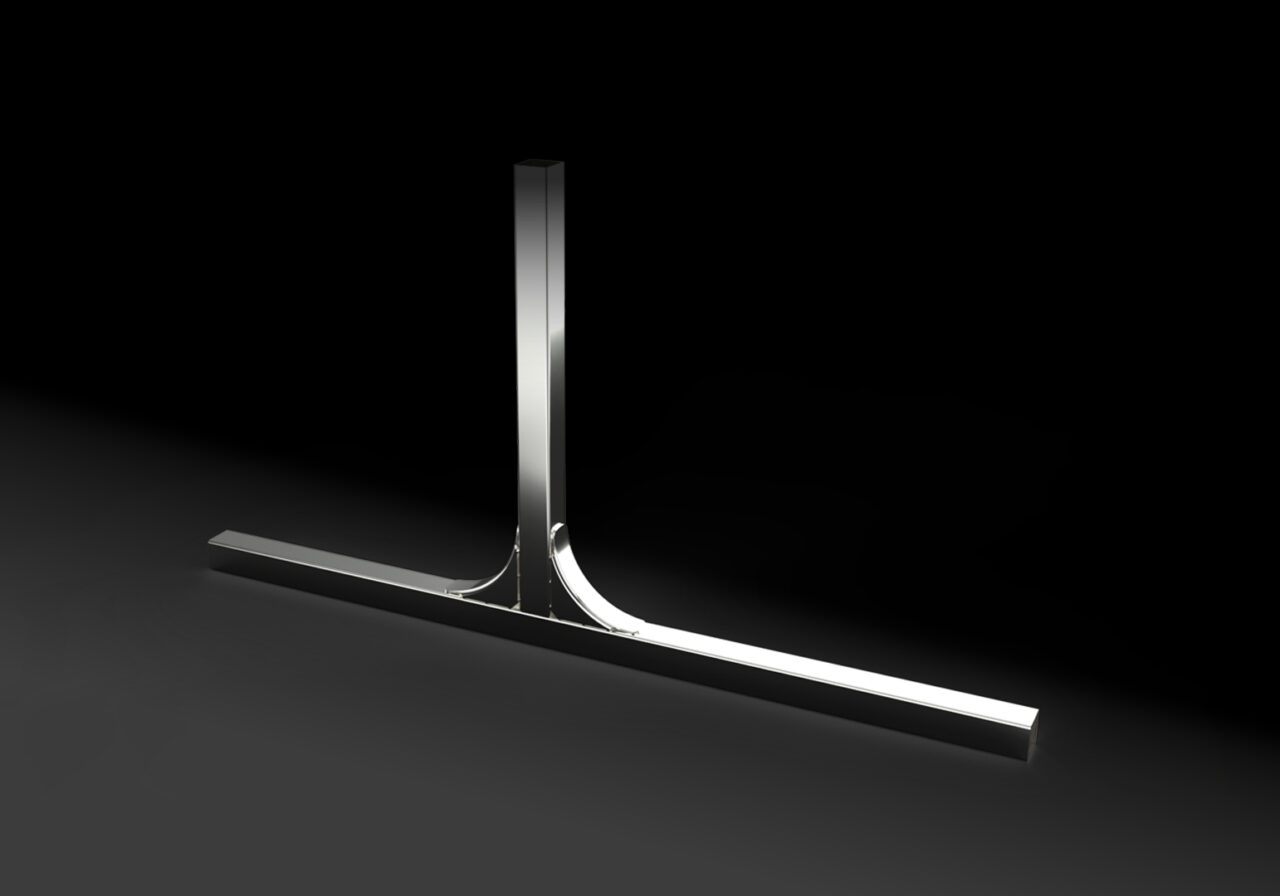
Stainless steel components offer exceptional long-term durability in wastewater treatment facilities due to their superior corrosion resistance, mechanical strength, and minimal maintenance requirements. High-strength stainless steel hollow sections maintain structural integrity for decades despite exposure to aggressive chemicals, hydrogen sulfide, and constant moisture. The combination of excellent load-bearing capacity and inherent corrosion resistance makes stainless steel particularly valuable for critical infrastructure where reliability and longevity are essential to operational continuity.
What makes stainless steel ideal for wastewater treatment applications?
Stainless steel excels in wastewater treatment applications primarily due to its exceptional corrosion resistance in aggressive chemical environments. The chromium content in stainless steel forms a passive oxide layer that continuously regenerates when damaged, providing long-term protection against the corrosive effects of chlorides, sulfides, and organic acids commonly found in wastewater.
Beyond corrosion resistance, high-strength stainless steel delivers superior mechanical performance under the demanding conditions of wastewater facilities. The material maintains its structural integrity even when exposed to varying temperatures, continuous moisture, and microbial activity. This combination of strength and corrosion resistance ensures that critical infrastructure components remain reliable throughout their service life.
The non-porous surface of stainless steel also offers significant hygienic advantages in wastewater environments. Unlike some materials that can harbor bacteria in microscopic crevices, stainless steel provides a smooth surface that resists biofilm formation and is easy to clean. This property is particularly valuable in applications where preventing bacterial growth and maintaining environmental safety standards are priorities. Explore our complete range of stainless steel solutions designed specifically for demanding industrial environments.
How does lean duplex stainless steel (LDX) extend component lifespan in wastewater facilities?
Lean duplex stainless steel (LDX) extends component lifespan in wastewater facilities through its enhanced corrosion resistance combined with superior mechanical properties. LDX contains a balanced microstructure of austenite and ferrite phases, providing significantly higher resistance to stress corrosion cracking and pitting compared to conventional stainless steel grades, which is crucial in environments containing chlorides and hydrogen sulfide.
The increased nitrogen content in LDX creates a more stable passive layer that offers exceptional protection against the aggressive chemicals present in wastewater. This protective characteristic is particularly valuable in areas exposed to varying chloride concentrations, pH fluctuations, and microbial-induced corrosion—common challenges in wastewater treatment operations.
LDX also delivers superior strength-to-weight ratio, allowing for the design of lighter components without sacrificing structural integrity. With approximately twice the yield strength of conventional austenitic stainless steels, LDX components can maintain the same performance while using less material. This combination of corrosion resistance and strength makes LDX an ideal material for extending the service life of critical wastewater infrastructure while potentially reducing overall material requirements.
What structural advantages do stainless steel hollow sections provide in wastewater infrastructure?
Stainless steel hollow sections offer exceptional structural advantages through their ability to distribute loads uniformly across all axes when under compressive stress. This uniform load distribution makes them particularly valuable in wastewater treatment facilities, where structural components must maintain integrity under variable loading conditions while resisting the corrosive environment.
The superior strength-to-weight ratio of stainless steel hollow sections allows engineers to design lighter yet robust structures. Square and rectangular hollow sections provide excellent resistance to torsional forces while maintaining material efficiency. This combination of strength and relatively low weight translates to easier handling during installation and reduced load on supporting structures, which is especially important in facilities with numerous elevated walkways, platforms, and equipment supports.
Stability is another key advantage of stainless steel hollow sections in wastewater applications. Their closed structure delivers superior buckling resistance compared to open profiles, allowing them to maintain structural integrity even under significant compressive loads. This stability, combined with inherent corrosion resistance, makes hollow sections ideal for critical load-bearing components in environments where structural failure would result in significant operational disruptions and safety concerns.
How does the manufacturing process influence stainless steel durability in corrosive environments?
The manufacturing process significantly impacts stainless steel durability through its influence on material integrity and stress distribution. Roll forming creates stainless steel hollow sections with consistent properties and minimal residual stress, which enhances corrosion resistance by reducing potential stress points where accelerated corrosion could occur in aggressive wastewater environments.
Press braking, used for creating stainless steel profiles, allows for precise control of material deformation and maintains the protective passive layer that gives stainless steel its corrosion resistance. Proper control during forming prevents microcracks that could otherwise become initiation sites for corrosion in the challenging chemical conditions of wastewater treatment facilities.
The quality of weld seams in stainless steel hollow sections is particularly important in corrosive environments. Advanced welding techniques ensure metallurgical continuity across the entire component, eliminating weak points in the corrosion barrier. Proper post-weld treatment further enhances performance by restoring the protective chromium oxide layer at the weld zone, ensuring uniform corrosion resistance throughout the entire structure even when exposed to the most demanding conditions in wastewater treatment operations.
What maintenance requirements do stainless steel components have in wastewater treatment facilities?
Stainless steel components require minimal maintenance in wastewater treatment facilities, primarily consisting of periodic visual inspections and occasional cleaning to remove accumulated deposits. Unlike many alternative materials, high-quality stainless steel does not need protective coatings or regular reapplication of corrosion inhibitors, significantly reducing ongoing maintenance costs and facility downtime.
The passive layer that forms naturally on stainless steel surfaces continuously regenerates when exposed to oxygen, providing self-healing properties that maintain corrosion resistance throughout the component’s service life. This intrinsic protection mechanism means that minor surface scratches or damage typically do not compromise the material’s long-term performance in wastewater environments.
When evaluating total cost of ownership, the initial investment in high-strength stainless steel components is offset by their extended service life and reduced maintenance requirements. While the upfront cost may be higher than some alternatives, facilities typically realize significant savings over the component lifecycle through eliminated repainting, reduced replacement frequency, and minimized downtime for repairs. Contact our experts for assistance in selecting the optimal stainless steel grade for your specific wastewater application.
How do stainless steel components contribute to wastewater treatment facility sustainability?
Stainless steel components enhance wastewater treatment facility sustainability primarily through their exceptional longevity and recyclability. With service lifespans often exceeding 50 years in properly specified applications, high-strength stainless steel significantly reduces the environmental impact associated with manufacturing and replacing deteriorated infrastructure components, lowering the facility’s lifetime carbon footprint.
The material efficiency achieved through stainless steel’s superior strength-to-weight ratio contributes to sustainability by reducing the total amount of material needed. High-strength grades like lean duplex stainless steel allow for thinner components that maintain the same performance capabilities, requiring less raw material while delivering equivalent or superior structural properties compared to conventional alternatives.
At the end of their service life, stainless steel components are 100% recyclable without any loss of quality. This closed-loop recyclability makes stainless steel a truly sustainable material choice for wastewater treatment infrastructure, aligning with environmental goals while providing the durability and performance needed in these demanding applications. Discover our complete range of sustainable stainless steel solutions for wastewater treatment infrastructure.
This article was created with the help of AI and reviewed by a human. It may include mistakes.