
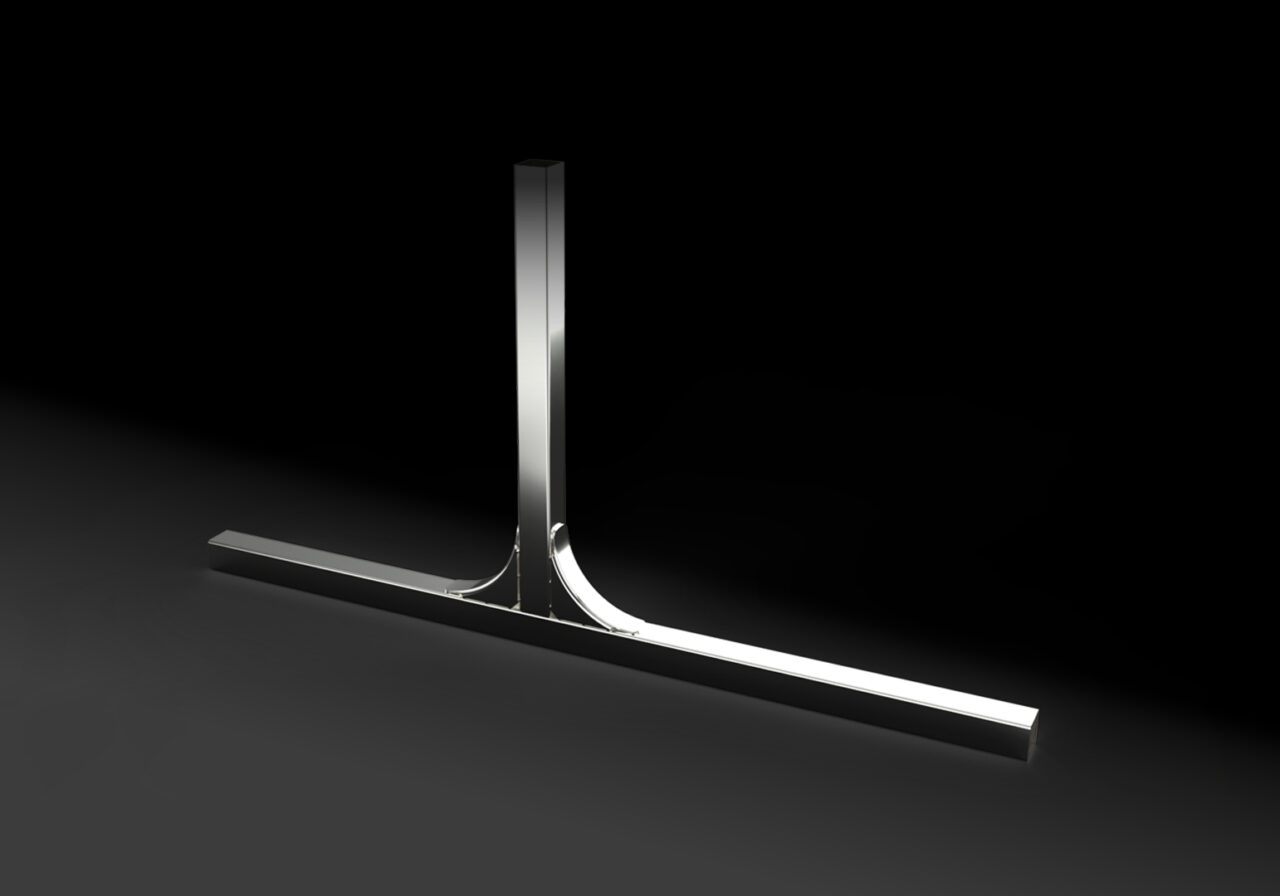
Stainless steel provides exceptional load-bearing capabilities for wastewater treatment tanks through its combination of high tensile strength and superior corrosion resistance. The material’s inherent structural stability allows it to withstand both static loads from contained wastewater and dynamic loads from processing operations, whilst maintaining its integrity in chemically aggressive environments. High-strength stainless steel grades, particularly lean duplex (LDX), offer superior strength-to-weight ratios that enable larger tank designs with reduced structural support requirements. Explore our complete range of high-strength stainless steel solutions designed specifically for demanding wastewater applications.
What makes stainless steel structurally superior for wastewater treatment applications?
Stainless steel excels in wastewater treatment environments because it combines exceptional mechanical properties with outstanding corrosion resistance. This dual functionality allows structures to maintain load-bearing capabilities whilst exposed to aggressive chemicals, fluctuating temperatures, and constant moisture. Unlike other structural materials that may degrade over time, high-strength stainless steel maintains its integrity throughout decades of service.
The superior strength-to-weight ratio of stainless steel is particularly valuable in wastewater infrastructure. This property enables tanks and processing vessels to support substantial loads whilst requiring less material, resulting in lighter structures that reduce foundation requirements and installation complexity. Lean duplex stainless steel (LDX) further enhances these benefits by offering nearly twice the yield strength of conventional austenitic grades.
Hygiene considerations also contribute to stainless steel’s structural superiority in wastewater applications. Its non-porous surface prevents bacterial growth in areas where biological contamination is a concern, whilst its resistance to scaling and fouling maintains consistent flow characteristics. This combination of structural performance and hygienic properties makes high-strength stainless steel uniquely suited for wastewater treatment infrastructure that must reliably contain and process variable waste streams.
How do stainless steel hollow sections distribute load in wastewater tank designs?
Stainless steel hollow sections provide uniform strength across all axes, creating ideal load distribution for wastewater tank structures. This multi-directional strength enables square and rectangular hollow sections to effectively resist compressive, tensile, and torsional forces simultaneously—a critical advantage when designing tanks that must withstand both static pressure from contained liquid and dynamic forces from operational activities.
The manufacturing processes used to create these hollow sections directly contribute to their load distribution capabilities. Roll forming and press braking techniques produce profiles with consistent wall thickness and precise dimensional tolerances. This manufacturing precision ensures that load-bearing calculations remain reliable throughout the structure, eliminating weak points that could compromise structural integrity under stress.
Closed hollow sections also deliver superior stability under compressive loads compared to open profiles. This characteristic is particularly valuable in tall tank structures where buckling resistance becomes a critical design factor. The inherent torsional rigidity of hollow sections creates structures that maintain alignment even when subjected to uneven loading conditions, vibration from processing equipment, or seismic events that could otherwise compromise tank integrity.
What load-bearing advantages does lean duplex stainless steel offer for large-scale tanks?
Lean duplex stainless steel provides significantly enhanced yield strength—typically 450-480 MPa compared to approximately 220-240 MPa for standard austenitic grades. This superior strength allows for thinner wall sections whilst maintaining structural integrity, resulting in material reductions of up to 30% in many applications. These savings translate directly to lower material costs, reduced weight, and decreased transportation and installation expenses.
The exceptional strength-to-weight ratio of lean duplex enables larger span capabilities with fewer support structures. This advantage creates more usable interior space within wastewater treatment facilities whilst minimising obstructions that could impede maintenance access or flow patterns. For elevated tanks, the reduced weight decreases foundation requirements and structural support complexity.
Beyond static load advantages, lean duplex exhibits superior fatigue resistance and structural stability under dynamic loading conditions. This property is particularly valuable in wastewater applications where mixing operations, variable fill levels, and mechanical equipment create cyclical stresses. The enhanced durability reduces the need for over-engineering and provides additional safety margins throughout the service life of the structure. View our complete range of lean duplex stainless steel structural components engineered specifically for demanding wastewater applications.
How does stainless steel’s performance compare in aggressive wastewater environments?
Stainless steel maintains its load-bearing capabilities even when exposed to the corrosive chemicals present in wastewater, including hydrogen sulfide, chlorides, and organic acids. This corrosion resistance prevents the structural degradation that would compromise load-bearing integrity in other materials, ensuring consistent performance throughout decades of service without significant maintenance requirements.
The material’s resistance to pitting and crevice corrosion is particularly valuable in wastewater applications where localised damage could create structural weak points. High-strength stainless steel grades maintain their mechanical properties even at weld zones and stress points—areas traditionally vulnerable to accelerated corrosion in aggressive environments. This uniform resistance ensures that the entire structure retains its designed load-bearing capacity throughout its service life.
Unlike materials that may require protective coatings or sacrificial elements, stainless steel’s inherent corrosion resistance eliminates the need for additional protection systems that would require monitoring and periodic renewal. This self-protecting characteristic ensures that load-bearing calculations remain valid for decades, even as treatment processes evolve or influent chemistry changes. The material’s ability to withstand both structural loads and chemical attack simultaneously represents a significant advantage for long-term infrastructure planning.
What design considerations maximize stainless steel’s load-bearing potential in tank structures?
Optimal profile selection based on specific load patterns significantly enhances stainless steel’s structural efficiency in wastewater tanks. Square hollow sections provide balanced strength for general applications, while rectangular sections offer directional strength advantages for tanks with predominant loads along specific axes. Circular hollow sections excel in applications where internal pressure is the primary concern, distributing hoop stress evenly throughout the structure.
Connection methods play a crucial role in maximizing load transfer between structural elements. Welded joints, when properly executed, maintain the full strength of the parent material and create truly continuous structures. For removable components, properly designed bolted connections with appropriate gaskets maintain both structural integrity and liquid containment. The selection of compatible fastening systems prevents galvanic corrosion issues that could compromise structural strength over time.
Support configuration directly impacts load distribution throughout stainless steel tank structures. Properly spaced reinforcement rings prevent buckling in large-diameter vessels, while strategically positioned external supports minimize bending stresses in horizontal tanks. For elevated installations, attention to base plate design and anchor bolt patterns ensures efficient load transfer to foundations. These engineering considerations, when properly implemented, allow high-strength stainless steel structures to achieve their full load-bearing potential while minimizing material usage.
Wastewater treatment facilities present unique structural challenges that require specialized material selection. The load-bearing capabilities of high-strength stainless steel, particularly lean duplex grades, provide an ideal solution by combining structural performance with corrosion resistance. Contact our engineering team for expert guidance on optimizing stainless steel structural components for your specific wastewater treatment applications.
This article was created with the help of AI and reviewed by a human. It may include mistakes.