
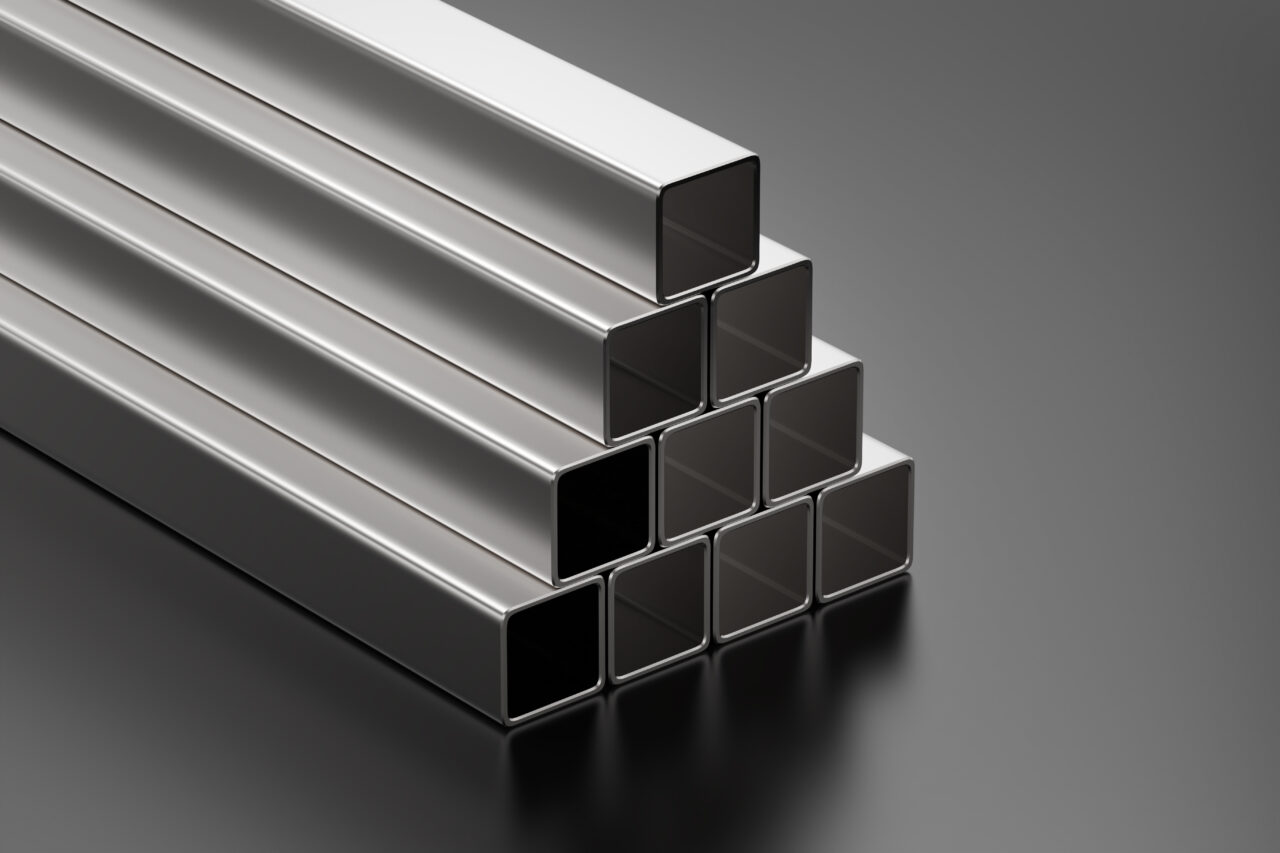
Stainless steel significantly outperforms coated carbon steel in biogas environments due to its inherent corrosion resistance. While carbon steel relies on applied coatings that deteriorate over time, stainless steel forms a self-repairing passive layer that provides continuous protection against the highly corrosive compounds found in biogas facilities. This fundamental difference results in superior long-term performance, significantly reduced maintenance requirements, and ultimately lower total cost of ownership for stainless steel structures.
The aggressive nature of biogas environments demands materials that can withstand constant chemical attack without compromising structural integrity. Explore our complete range of high-strength stainless steel solutions engineered specifically for these demanding conditions.
What makes biogas environments uniquely challenging for structural materials?
Biogas environments present exceptional challenges due to their highly corrosive chemical composition. These facilities contain a complex mixture of hydrogen sulfide (H₂S), ammonia (NH₃), carbon dioxide (CO₂), and moisture that creates an extremely aggressive atmosphere capable of rapidly degrading many conventional materials.
The corrosion challenge is intensified by significant pH variations throughout biogas production processes. From acidic conditions in digestion tanks to basic environments in scrubbing systems, structural materials face constantly changing chemical exposure. These conditions are further complicated by temperature fluctuations that accelerate chemical reactions and corrosion rates.
Microbiological factors add another dimension of complexity. Biogas facilities harbor various microorganisms that contribute to microbiologically influenced corrosion (MIC). These bacteria can form biofilms on surfaces, creating localized corrosion cells that aggressively attack even seemingly resistant materials. The combination of chemical corrosion and microbiological activity creates conditions that few structural materials can withstand long-term.
How does stainless steel respond to biogas corrosion compared to coated carbon steel?
Stainless steel offers superior corrosion resistance in biogas environments through its self-generating passive chromium oxide layer that continuously protects the underlying metal. Unlike coated carbon steel, which relies on an applied barrier that inevitably develops defects, stainless steel’s protection is inherent to the material itself and self-repairs when damaged.
When exposed to biogas environments, coated carbon steel exhibits significant vulnerabilities. Even minor coating damage – from installation scratches, thermal expansion, or impact – creates entry points for corrosive compounds. Once corrosion begins beneath the coating, it often spreads undetected until structural failure occurs. The hydrogen sulfide and ammonia present in biogas environments quickly penetrate coating imperfections, accelerating the deterioration process.
In contrast, high-strength stainless steel maintains its structural integrity even after years of exposure to biogas conditions. Corrosion rates remain minimal even with varying concentrations of corrosive compounds. This fundamental difference in corrosion resistance mechanisms explains why stainless steel maintains its structural properties throughout the facility’s lifetime, while coated carbon steel requires frequent inspection, maintenance, and eventual replacement.
What specific benefits does high-strength stainless steel offer in biogas applications?
High-strength stainless steel, particularly lean duplex (LDX), delivers exceptional performance in biogas applications through its combination of superior corrosion resistance and enhanced mechanical properties. This material maintains its structural integrity while requiring minimal thickness, offering significant weight advantages over alternative solutions.
The enhanced corrosion resistance of lean duplex stainless steel is particularly valuable in biogas environments. Its dual-phase microstructure provides superior resistance to stress corrosion cracking, pitting, and crevice corrosion – all common failure modes in biogas facilities. This translates to dramatically reduced maintenance requirements and virtually eliminates the need for protective treatments throughout the structure’s service life.
From a sustainability perspective, high-strength stainless steel offers compelling advantages. The material’s durability eliminates the need for frequent replacements, reducing lifetime resource consumption. Additionally, its strength-to-weight ratio allows for material efficiency, with hollow sections providing maximum structural performance with minimal material usage. When facilities eventually reach end-of-life, the stainless steel components maintain high recycling value, further enhancing the environmental benefits.
Why is uniform load distribution critical for structural components in biogas facilities?
Uniform load distribution is essential in biogas facilities because these structures face complex combinations of static, dynamic, and chemical stresses. Square stainless steel tubes provide critical advantages through their consistent strength across all axes, delivering superior performance under the compressive loads common in biogas structures.
The structural stability requirements in biogas facilities are particularly demanding. Support frameworks must maintain perfect alignment despite exposure to corrosive substances, temperature variations, and occasional impact forces. Stainless steel hollow sections excel in these conditions, supporting large loads while maintaining stability with relatively low weight compared to alternatives.
This uniform strength distribution becomes especially important during the decades-long service life of biogas facilities. As conventional materials degrade in strength over time due to corrosion, stainless steel maintains its mechanical properties. The square and rectangular hollow sections form the ideal structural elements for walkways, platforms, tank supports, and equipment frameworks where long-term reliability is non-negotiable.
What maintenance differences exist between stainless steel and coated carbon steel in biogas applications?
Stainless steel requires minimal maintenance in biogas environments, eliminating the inspection and recoating cycles necessary with carbon steel solutions. While coated carbon steel demands regular condition assessment, coating renewal every 2-7 years, and eventual replacement, stainless steel structures typically need only routine cleaning to maintain performance throughout their 30+ year service life.
The maintenance difference translates directly to facility uptime and operational continuity. Recoating operations require production interruptions, scaffolding installation, surface preparation, and careful application procedures – each step adding cost and complexity. Stainless steel eliminates these disruptions, allowing biogas facilities to maintain continuous operation without scheduled downtime for structural maintenance.
The predictable performance of stainless steel also simplifies asset management and lifecycle planning. Facility operators can confidently project minimal maintenance requirements over decades of service, rather than budgeting for the uncertain and escalating costs associated with coating failures, corrosion repair, and structural reinforcement that typically plague carbon steel installations in aggressive biogas environments.
How does the total cost of ownership compare between stainless steel and coated solutions?
While stainless steel requires higher initial investment, its total cost of ownership over a facility’s lifetime is substantially lower than coated carbon steel in biogas environments. The elimination of recoating expenses, reduced maintenance requirements, and extended service life create compelling economic advantages that typically recover the additional upfront cost within 5-7 years.
The cost analysis must consider multiple factors beyond material price. Coated carbon steel structures in biogas environments typically require complete recoating every 2-7 years, with each cycle costing 15-30% of the initial installation. Additional expenses include corrosion-related repairs, production losses during maintenance, and eventual replacement – often necessary multiple times during a facility’s operational lifespan.
When evaluating structural material options for biogas applications, the most fiscally responsible approach considers the entire lifecycle rather than focusing solely on initial expenditure. Stainless steel’s predictable, low-maintenance performance delivers superior long-term value through reduced maintenance costs, minimized downtime, and extended service life – ultimately providing the most cost-effective solution for biogas facilities. Contact our engineering team to discuss your specific biogas application requirements.
Explore our complete range of stainless steel solutions designed specifically for the demanding conditions of biogas and wastewater applications.
This article was created with the help of AI and reviewed by a human. It may include mistakes.