
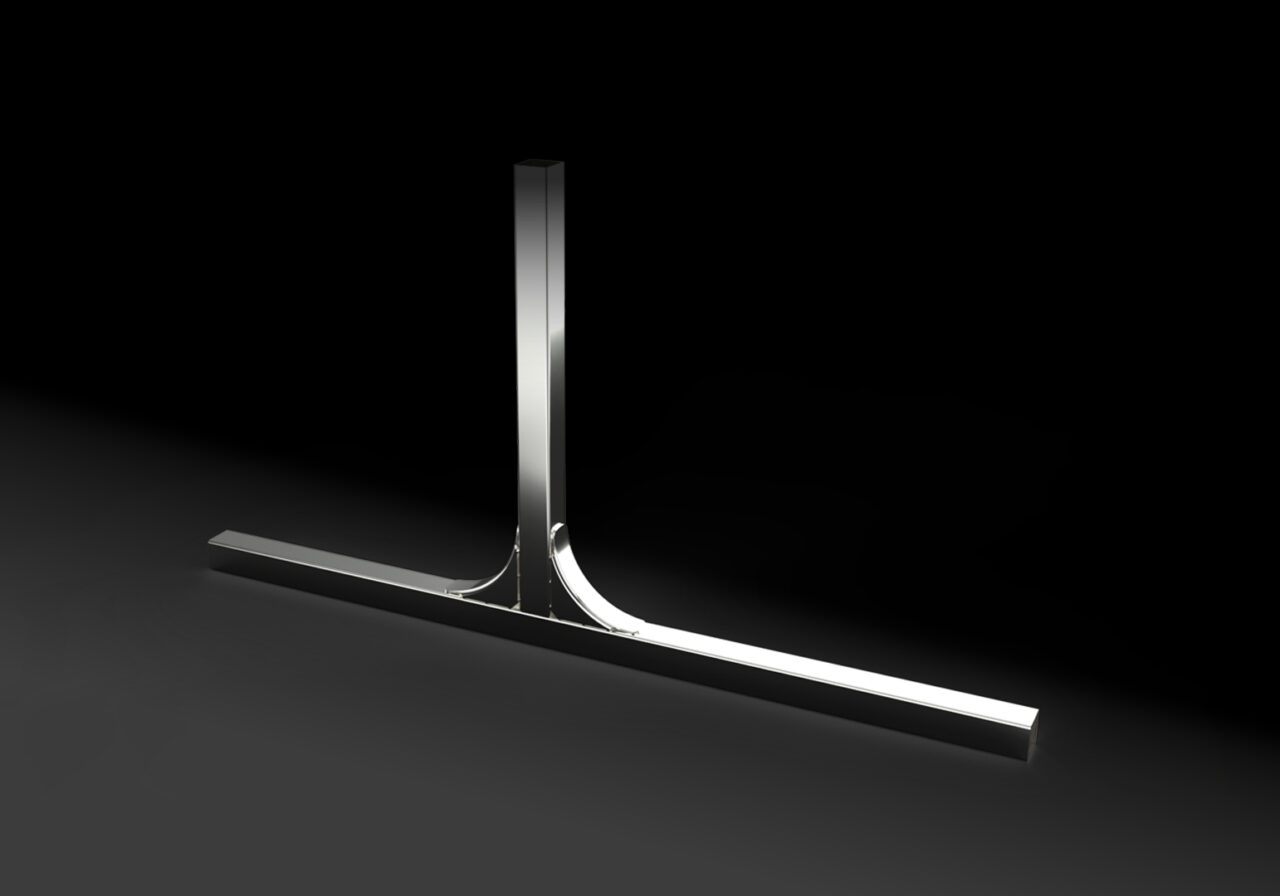
Data centers require superior corrosion resistance in cooling infrastructure to maintain operational reliability and prevent system failures. Stainless steel provides exceptional protection against moisture, chemicals and environmental stress common in cooling systems. High-strength stainless steel, particularly lean duplex grades, delivers optimal corrosion resistance whilst supporting structural stability with lower material weight requirements—critical for the 24/7 operational demands of modern data centers.
What makes stainless steel critical for data center cooling infrastructure?
Stainless steel is essential for data center cooling infrastructure because it provides superior corrosion resistance in environments with constant moisture exposure, temperature fluctuations, and chemical interactions. These conditions, inherent to cooling systems, would rapidly degrade standard materials, leading to system failures and potential data loss in mission-critical operations.
Modern data centers face unprecedented cooling challenges as computing densities increase. Cooling systems must manage condensation risks, chemical treatments in cooling fluids, and the continuous operation that allows no margin for material failure. In these demanding environments, high-strength stainless steel manifold tubes form the backbone of reliable cooling infrastructure.
The unique properties of stainless steel—particularly its passive chromium oxide surface layer—provide self-healing protection against corrosive elements. This inherent defence mechanism ensures that cooling systems maintain structural integrity throughout their operational lifespan without degradation that would compromise cooling efficiency or data center reliability. Explore our complete range of stainless steel solutions engineered specifically for mission-critical environments.
How does corrosion impact data center cooling system performance?
Corrosion in data center cooling systems directly compromises operational efficiency by restricting fluid flow, reducing heat transfer rates, and creating potential points of failure. As corrosion progresses, pipe walls thin and develop microscopic leaks that can release moisture into sensitive equipment areas, potentially causing catastrophic electrical failures and downtime.
The corrosion process accelerates in cooling systems due to the unique combination of environmental factors present:
- Continuous moisture exposure at connection points and manifolds
- Temperature differentials creating condensation cycles
- Chemical additives in cooling fluids that become increasingly aggressive over time
- Galvanic reactions between dissimilar metals in complex systems
Even minor corrosion can trigger a cascade of maintenance issues, from increased pumping power requirements to complete system replacement. The financial impact extends beyond repair costs to include operational losses from reduced cooling capacity and potential equipment damage. High-strength stainless steel effectively eliminates these vulnerabilities, providing a stable, long-term solution for cooling infrastructure reliability.
What types of stainless steel provide the best corrosion resistance for data centers?
Lean duplex (LDX) stainless steel offers the best combination of corrosion resistance and mechanical properties for data center cooling infrastructure. This advanced material provides exceptional protection against chloride-induced corrosion and stress corrosion cracking while delivering higher strength-to-weight ratios than conventional austenitic grades like 304 or 316.
| Stainless Steel Grade | Corrosion Resistance | Strength-to-Weight Ratio | Optimal Application |
|---|---|---|---|
| Lean Duplex (LDX) | Superior in chloride environments | Excellent (up to 2x austenitic) | Primary cooling infrastructure, manifolds |
| 316/316L | Good overall resistance | Moderate | Standard cooling components |
| 304/304L | Moderate resistance | Moderate | Non-critical secondary systems |
The superior performance of LDX stainless steel stems from its unique microstructure combining austenitic and ferritic phases. This structure provides enhanced resistance to pitting and crevice corrosion—precisely the types of degradation most common in cooling system environments. Additionally, the higher strength allows for thinner wall sections, reducing material requirements without compromising system integrity.
For data centers pursuing long-term reliability and sustainability objectives, lean duplex stainless steel represents the optimal material choice, delivering performance advantages that directly translate to operational benefits and reduced lifecycle costs.
How do square stainless steel tubes enhance cooling system structural stability?
Square stainless steel tubes provide uniform strength distribution across all axes, delivering superior structural stability compared to other profiles in data center cooling infrastructure. This balanced load-bearing capacity is crucial for supporting heavy manifold systems and minimizing deflection under the compressive loads common in cooling installations.
The technical advantages of square tubes in cooling systems include:
- Equal moment of inertia in both x and y directions, ensuring consistent performance regardless of load angle
- Reduced torsional deformation under thermal expansion and contraction cycles
- Enhanced vibration resistance to prevent connection fatigue in pump-adjacent installations
- Superior lateral stability for long runs without additional support requirements
These stability benefits are particularly valuable in modern data center designs where cooling infrastructure must accommodate increasingly dense server arrangements with minimal footprint. The precise dimensional control achieved through roll forming or press braking manufacturing processes ensures that connections maintain integrity despite thermal cycling and operational vibrations. This structural predictability is fundamental to designing cooling systems that remain reliable throughout decades of continuous operation. Contact our team for expert guidance on selecting the optimal stainless steel profiles for your cooling infrastructure requirements.
What are the long-term cost benefits of high-strength stainless steel in data centers?
High-strength stainless steel delivers substantial long-term cost benefits through significantly reduced maintenance requirements, extended service life, and minimal operational disruptions. While the initial investment may be 15-25% higher than standard materials, the total cost of ownership over a data center’s lifecycle is demonstrably lower when accounting for all operational factors.
Key economic advantages include:
- Maintenance reduction: Elimination of scheduled replacement cycles and associated labour costs
- Operational continuity: Avoidance of costly downtime for cooling system repairs
- Energy efficiency: Maintenance of optimal heat transfer rates without corrosion-induced degradation
- Material efficiency: Higher strength-to-weight ratio allowing for reduced material usage
- Insurance advantages: Reduced risk profile and potential premium reductions
From a sustainability perspective, high-strength stainless steel contributes to lower lifetime carbon footprint through material reduction, elimination of replacement cycles, and eventual 100% recyclability. As data centers increasingly prioritise environmental performance alongside operational reliability, the sustainability advantages of premium stainless steel solutions become increasingly valuable.
For mission-critical facilities, the financial case for high-strength stainless steel becomes even more compelling when factoring in the business continuity risks associated with cooling system failures. The premium quality of these materials represents an insurance policy against the catastrophic costs of unplanned downtime. Explore our complete range of stainless steel solutions to learn how we can help secure your data center’s operational future.
This article was created with the help of AI and reviewed by a human. It may include mistakes.