
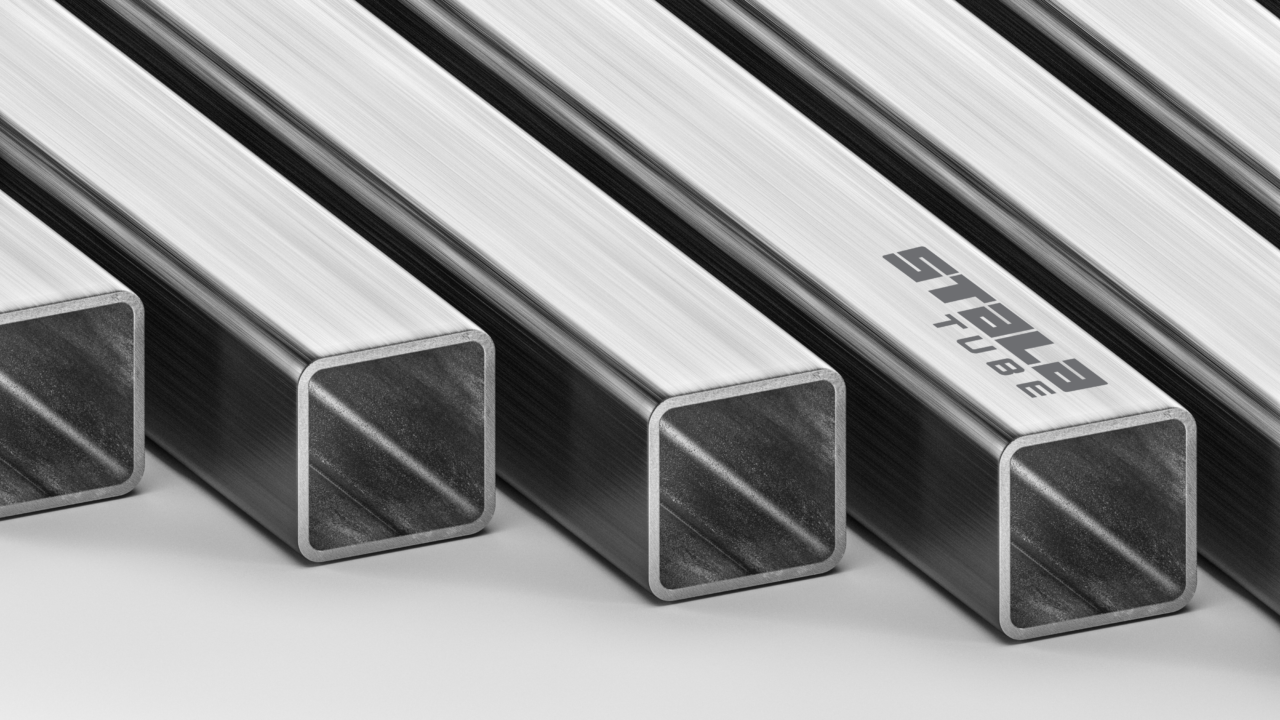
Stainless steel manifold systems deliver exceptional long-term performance in demanding industrial environments through their superior corrosion resistance, structural stability, and durability. These high-strength distribution networks efficiently transport fluids, gases or other media whilst maintaining operational integrity under challenging conditions. With proper material selection—particularly high-strength options like lean duplex stainless steel—these systems provide decades of reliable service with minimal maintenance requirements, making them the preferred choice for mission-critical applications such as data center cooling infrastructure.
What are stainless steel manifold systems and why are they important?
Stainless steel manifold systems are engineered fluid distribution networks that efficiently direct liquids or gases to multiple endpoints from a single source. These precision-manufactured hollow sections serve as the critical infrastructure in demanding environments where reliability and performance are non-negotiable, such as data center cooling systems, industrial processing facilities, and marine applications.
The importance of these systems stems from their fundamental role in maintaining operational continuity in mission-critical environments. When cooling systems fail in data centers, for example, the consequences can be catastrophic—potentially resulting in equipment damage, data loss, and significant downtime costs. The material composition of manifold systems directly impacts their longevity and reliability under constant pressure, temperature variations, and potential corrosion threats.
High-strength stainless steel options provide exceptional benefits in these applications. Lean duplex stainless steel (LDX) manifolds offer superior strength-to-weight ratios compared to conventional alternatives, allowing for reduced wall thickness whilst maintaining structural integrity. This translates to more efficient fluid transport with less material usage—a crucial consideration for large-scale installations. Explore our complete range of high-strength stainless steel solutions engineered for demanding applications.
How do high-strength stainless steel manifolds outperform standard alternatives?
High-strength stainless steel manifolds, particularly those manufactured from lean duplex stainless steel (LDX), deliver significantly superior performance compared to conventional alternatives through enhanced structural integrity and load-bearing capabilities. These advanced materials provide up to twice the yield strength of standard austenitic grades, allowing for thinner wall construction without compromising system integrity.
This performance advantage becomes particularly evident under mechanical stress conditions. In operational environments, manifold systems must withstand not only internal pressure but also external forces from thermal expansion, equipment vibration, and occasional physical impacts. High-strength stainless steel manifolds maintain their dimensional stability under these combined stresses, preventing deformation that could compromise connections or reduce flow efficiency.
The uniform strength distribution across all axes in square hollow sections represents a significant engineering advantage. Unlike round pipes which may have directional strength variations, square stainless steel tubes provide consistent load distribution capabilities across all planes. This characteristic is particularly valuable under compressive loads where the flat surfaces resist deformation more effectively than curved geometries, maintaining critical dimensions and ensuring leak-free connections throughout the system’s operational life.
What makes stainless steel manifolds resistant to environmental challenges?
Stainless steel manifolds resist environmental challenges through their inherent corrosion resistance, temperature stability, and mechanical durability. The chromium content in stainless steel forms a self-healing passive oxide layer that provides exceptional protection against oxidation and corrosion, even in moisture-rich environments like data center cooling systems where condensation is common.
This environmental resilience extends to temperature fluctuations that would stress or damage other materials. High-quality stainless steel manifolds maintain their structural integrity across a wide temperature range, from near-freezing coolant systems to elevated temperatures in industrial applications. This thermal stability prevents the expansion/contraction cycles that often lead to connection failures and leaks in less capable systems.
The specific material properties of high-strength stainless steel contribute significantly to extended service life. Lean duplex stainless steel combines excellent corrosion resistance with superior mechanical properties, creating manifold systems that withstand years of continuous operation in challenging conditions. This resistance to environmental degradation translates directly to reduced maintenance requirements and greater operational reliability—critical factors in facilities where system downtime carries substantial costs.
How does the manufacturing process affect manifold system performance?
The manufacturing process directly influences manifold system performance through its impact on structural consistency, dimensional accuracy, and material properties. High-quality stainless steel manifold tubes are produced through precise roll forming or press braking techniques that maintain material integrity throughout the forming process, preserving the corrosion resistance and strength characteristics of the base material.
Roll forming, the primary manufacturing method for premium manifold systems, involves progressively bending the stainless steel sheet through a series of precisely calibrated rollers. This controlled deformation process minimizes internal stresses in the material and ensures uniform wall thickness—critical factors for pressure-bearing applications. The resulting weld seam is then thoroughly processed to maintain material continuity and corrosion resistance across the entire structure.
The connection between manufacturing precision and system reliability cannot be overstated. Dimensional accuracy ensures proper fit of connections, prevents leak paths, and maintains designed flow characteristics. Even minor variations can create stress points or flow restrictions that compromise system performance. By maintaining strict manufacturing tolerances, high-quality stainless steel manifold systems deliver consistent performance throughout their extended operational life, making them ideal for applications where reliability is paramount.
What long-term cost benefits do stainless steel manifold systems provide?
Stainless steel manifold systems deliver substantial long-term cost benefits through reduced maintenance requirements, extended service life, and operational reliability. While the initial investment may be higher than alternative materials, the total cost of ownership over the system lifecycle reveals significant economic advantages that make high-strength stainless steel the fiscally responsible choice for critical applications.
The maintenance savings alone often justify the investment. Unlike carbon steel systems requiring regular inspection, repainting, and eventual replacement due to corrosion, stainless steel manifolds maintain their integrity with minimal intervention. This translates to lower maintenance labour costs, reduced downtime, and fewer replacement parts over decades of service. For data centers and industrial facilities where system accessibility is limited and downtime costs are substantial, these maintenance reductions represent significant operational savings.
The extended service life of high-quality stainless steel manifold systems further enhances their economic value. With proper design and installation, these systems routinely deliver 25+ years of reliable service in demanding environments—often outlasting the equipment they support. This longevity effectively distributes the initial investment over a much longer operational period, reducing the annualized cost significantly compared to systems requiring replacement every 7-10 years. Contact our specialists to discuss how our high-performance stainless steel solutions can optimize your total cost of ownership.
How do stainless steel manifold systems contribute to sustainability goals?
Stainless steel manifold systems contribute significantly to sustainability goals through material efficiency, energy optimization, and complete recyclability. The high strength-to-weight ratio of advanced stainless steel grades, particularly lean duplex stainless steel, enables substantial material reduction while maintaining performance requirements—using less raw material from the outset.
This material efficiency extends to operational sustainability. High-strength stainless steel manifolds maintain smooth interior surfaces that reduce flow resistance, minimizing the energy required for fluid transport throughout their service life. This energy efficiency, multiplied across years of continuous operation, represents significant carbon footprint reduction in power-intensive facilities like data centers.
Perhaps most importantly, stainless steel represents circular economy principles in action. At end-of-life, stainless steel manifold systems are 100% recyclable without quality degradation. The valuable alloying elements—chromium, nickel, and molybdenum—are fully recaptured in the recycling process, reducing the need for virgin material extraction. This inherent recyclability, combined with exceptional durability that delays the recycling need for decades, makes stainless steel manifold systems an environmentally responsible choice for forward-thinking organizations committed to sustainability without compromising performance.
This article was created with the help of AI and reviewed by a human. It may include mistakes.