
Stainless steel structures in wastewater facilities require minimal but consistent maintenance to ensure long-term performance. The primary maintenance includes regular inspections every 6-12 months, prompt cleaning of surface deposits, rinsing after chemical exposure, and addressing any early signs of corrosion. High-strength stainless steel components like lean duplex hollow sections need less maintenance than conventional materials due to superior corrosion resistance, but still benefit from periodic condition monitoring to maximize their service life in these harsh environments.
What makes stainless steel ideal for wastewater facilities?
High-strength stainless steel is ideal for wastewater facilities because of its exceptional corrosion resistance in aggressive environments containing chlorides, hydrogen sulfide, and various acids. Lean duplex stainless steel offers superior resistance to pitting and crevice corrosion whilst providing structural strength approximately twice that of conventional austenitic grades, allowing for thinner, lighter components that maintain required load-bearing capacity.
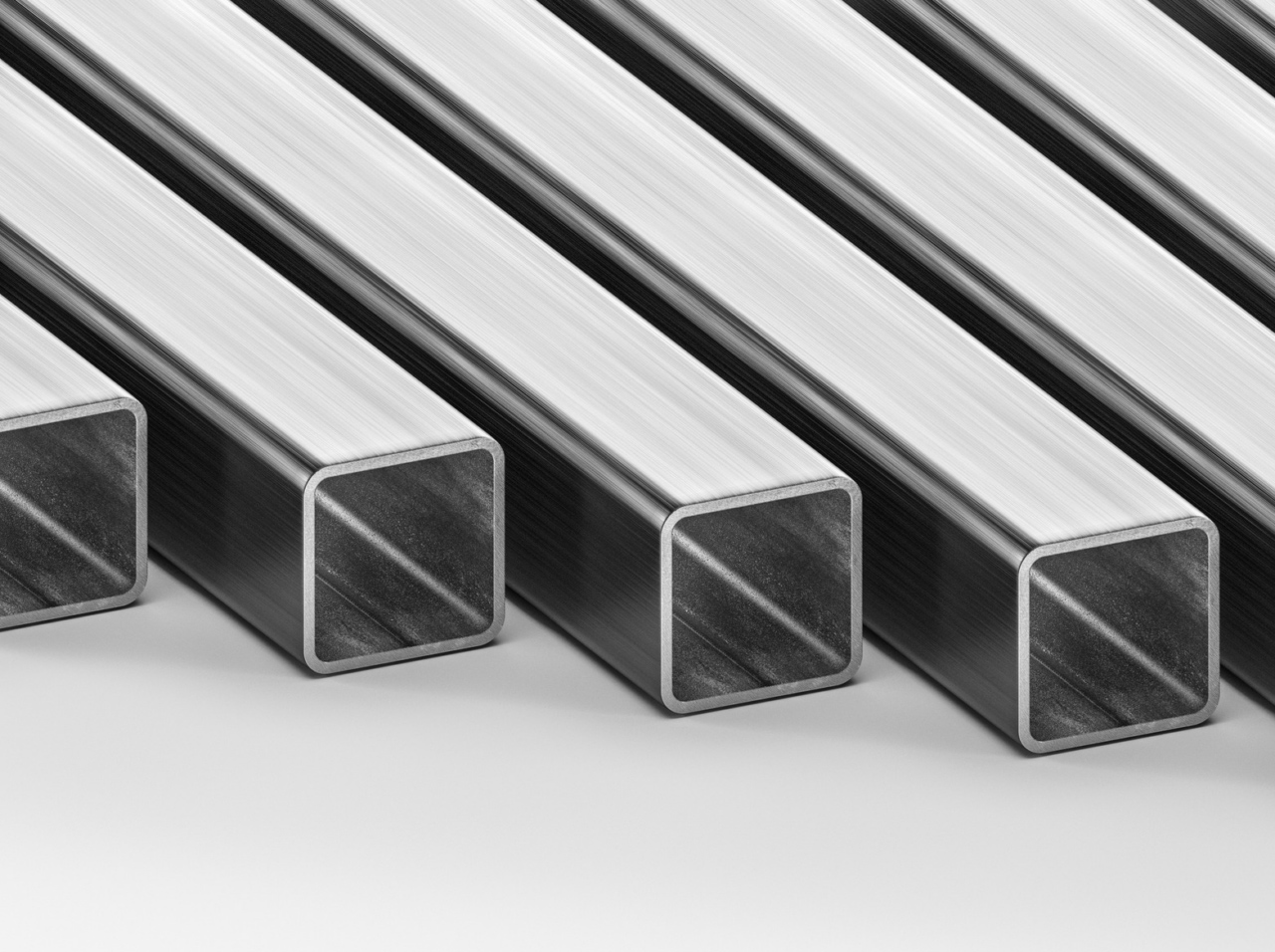
The square hollow sections manufactured through roll forming or press braking provide uniform strength distribution across all axes, making them particularly effective under the compressive loads common in wastewater treatment structures. This balanced strength distribution prevents premature structural failure even when exposed to the harsh chemicals present in wastewater processing.
Additionally, stainless steel’s non-porous surface prevents bacterial adhesion and biofilm formation, which is critical in wastewater environments where microbial-induced corrosion (MIC) is a significant concern. The combination of corrosion resistance and structural stability makes high-strength stainless steel the optimal material for long-term reliability in these challenging conditions. Explore our complete range of high-strength stainless steel products engineered specifically for demanding environments.
How often should stainless steel structures in wastewater facilities be inspected?
Stainless steel structures in wastewater facilities should be inspected at intervals determined by their exposure level, with high-exposure areas requiring quarterly checks and moderate-exposure zones needing semi-annual assessment. Regular inspection is essential even for high-strength stainless steel components to ensure continued structural integrity and identify any maintenance needs before they develop into serious issues.
The frequency and intensity of inspections should follow this recommended schedule based on facility zones:
| Facility Area | Exposure Level | Inspection Frequency | Inspection Focus |
|---|---|---|---|
| Headworks/Influent | Very High | Quarterly | Weld integrity, crevice inspection, fastener condition |
| Aeration Basins | High | Quarterly | Splash zone corrosion, support structures |
| Clarifiers | Moderate-High | Semi-annually | Submerged components, mechanical connections |
| Sludge Processing | High | Quarterly | Load-bearing elements, junction points |
| Chemical Storage | Very High | Quarterly | Chemical attack signs, structural integrity |
| Walkways/Platforms | Moderate | Semi-annually | Support structures, connection points |
| Effluent Areas | Low-Moderate | Annually | General condition assessment |
During inspections, particular attention should be paid to critical structural elements where high-strength stainless steel’s benefits are most important: load-bearing components, weld integrity, and junction points. Square hollow sections should be checked for uniform performance under compressive loads, which is one of their key advantages in these applications.
What are the most common corrosion issues in wastewater environments?
The most common corrosion issues in wastewater environments include microbial-induced corrosion (MIC), crevice corrosion, pitting corrosion, and stress corrosion cracking. These challenges are primarily caused by the combination of aggressive chemicals, fluctuating pH levels, and microbial activity that characterize wastewater treatment processes.
High-strength lean duplex stainless steel offers significantly better resistance to these corrosion types compared to conventional stainless steel grades, due to its optimized microstructure and chemical composition. The uniform strength distribution in square tube sections helps maintain structural integrity even if localized corrosion begins to develop.
Maintenance personnel should monitor for these early warning signs of potential corrosion issues:
- Surface discoloration or staining, particularly reddish-brown spots
- Small pits or depressions in the metal surface
- White powder-like deposits (chloride salts)
- Rough texture in previously smooth areas
- Accumulation of debris at connection points or crevices
- Unexpected structural movement or deflection under load
Environmental factors that accelerate corrosion include elevated chloride levels, extreme pH fluctuations, increased temperatures, stagnant conditions promoting biofilm formation, and oxygen concentration cells in partially submerged structures. Regular cleaning and inspection protocols specifically designed for wastewater environments can significantly mitigate these risks. Contact our technical team for specific guidance on corrosion prevention strategies for your facility.
What cleaning protocols should be followed for stainless steel in wastewater facilities?
Stainless steel in wastewater facilities should be cleaned regularly with non-abrasive, chloride-free cleaning agents followed by thorough rinsing with clean water. The cleaning frequency depends on exposure levels, ranging from monthly for high-exposure areas to quarterly for moderate-exposure zones.
Follow these step-by-step cleaning procedures for optimal maintenance of high-strength stainless steel components:
- Remove loose debris with soft brushes or low-pressure water spray (avoid high-pressure which can drive contaminants into crevices)
- Apply a mild, pH-neutral detergent solution using soft cloths or non-metallic brushes
- Allow appropriate contact time as specified by the cleaning product (typically 5-15 minutes)
- Thoroughly rinse with clean, preferably deionized water
- For stubborn deposits, use specialized stainless steel cleaners that are free from chlorides
- Ensure complete drying after cleaning, especially in crevices and connection points
- Document the cleaning process and any observed surface conditions
Cleaning agents and methods to avoid include:
- Chloride-containing cleaners (including bleach)
- Abrasive tools like wire brushes or steel wool
- Highly acidic or alkaline cleaning solutions
- Carbon steel tools that can cause cross-contamination
- High-pressure water jets on sensitive components
Proper cleaning maintains both the structural integrity and appearance of stainless steel components. The uniform strength characteristics of square hollow sections particularly benefit from regular maintenance, as their load-bearing capability under compression depends on maintaining their original material properties throughout the structure.
How can the lifespan of stainless steel structures be maximized in wastewater applications?
The lifespan of stainless steel structures in wastewater applications can be maximized through a combination of appropriate material selection, proactive maintenance, and environmental controls. High-strength stainless steel like lean duplex grades can last 50+ years with proper care, significantly outperforming conventional materials while maintaining superior load-bearing capacity and structural stability.
Key strategies for maximizing service life include:
- Proper material specification – Using high-strength lean duplex stainless steel for critical load-bearing components exposed to harsh environments
- Design optimization – Utilizing square hollow sections for their uniform strength distribution under compressive loads
- Regular inspection program – Following the recommended schedule based on exposure levels
- Preventative cleaning – Removing deposits before they can initiate corrosion
- Early intervention – Addressing minor issues before they develop into serious problems
- Environmental modification – Where possible, controlling factors like pH, temperature and chloride levels
- Proper fabrication – Ensuring appropriate welding procedures and post-weld treatments
The inherent properties of high-strength stainless steel tubes contribute significantly to extended service life. Their ability to support large loads while maintaining stability at relatively low weight means structures experience less stress-related deterioration over time. Additionally, their uniform strength distribution provides redundancy that helps prevent catastrophic failure even if localized damage occurs.
Investing in proper maintenance of stainless steel structures not only extends their lifespan but also contributes to sustainability by reducing the need for replacement and associated material consumption. Discover our complete range of high-strength stainless steel products engineered for maximum durability in challenging environments.
This article was created with the help of AI and reviewed by a human. It may include mistakes.