
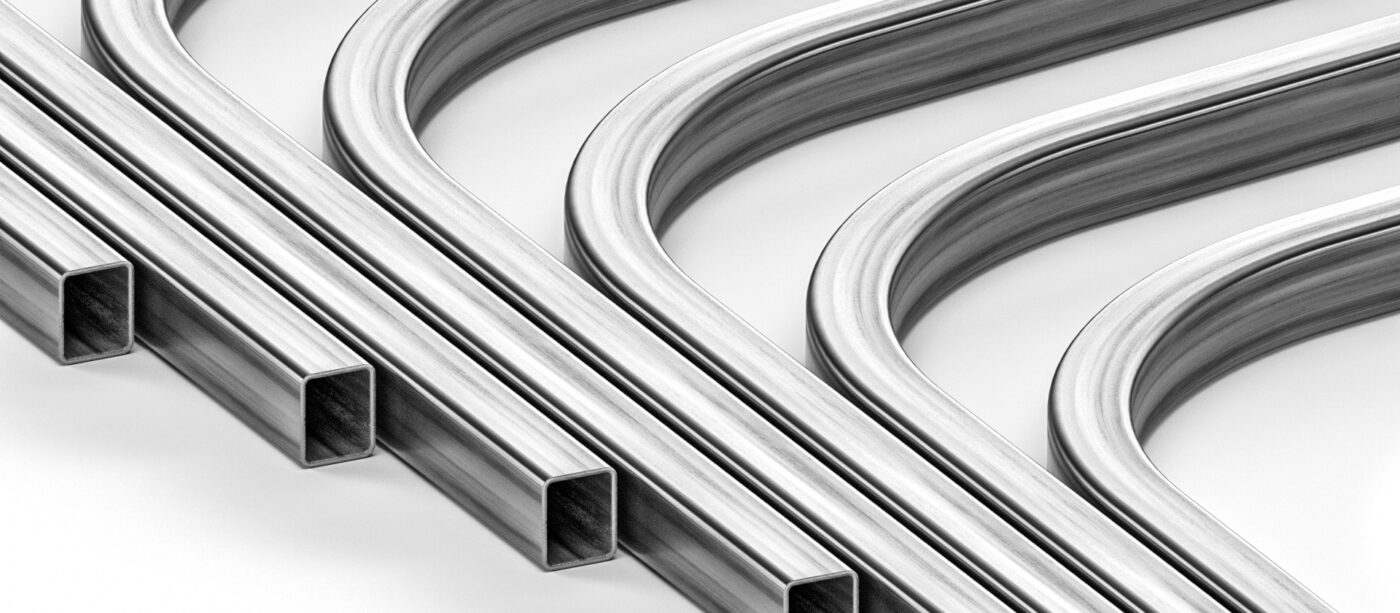
Stainless steel provides superior hygienic properties in wastewater processing through its non-porous surface, exceptional corrosion resistance, and ability to withstand aggressive cleaning protocols without degradation. Its smooth finish prevents bacterial adhesion and biofilm formation, whilst high-strength variants maintain structural integrity even in the most demanding wastewater environments. This combination of hygienic performance and structural reliability makes stainless steel the premium material choice for modern wastewater treatment facilities seeking long-term operational excellence.
What makes stainless steel ideal for hygienic wastewater applications?
Stainless steel is ideal for hygienic wastewater applications primarily because of its non-porous, microscopically smooth surface that prevents bacterial adhesion and biofilm formation. This inherent surface characteristic creates a hostile environment for microorganisms, significantly reducing contamination risks in wastewater processing environments where biological activity is high.
The material’s molecular structure creates a passive chromium oxide layer that continuously renews itself when exposed to oxygen. This self-healing property ensures that even when subjected to minor surface damage, stainless steel maintains its hygienic integrity throughout its service life in wastewater facilities.
Another critical advantage is stainless steel’s compatibility with rigorous cleaning protocols. Unlike alternative materials, high-quality stainless steel withstands aggressive chemical cleaners, high-pressure washing, and steam cleaning without surface degradation. This resilience ensures that wastewater facilities can maintain strict hygienic standards without compromising structural components. Discover our complete range of hygienic stainless steel products designed specifically for challenging wastewater environments.
Key hygienic properties of stainless steel in wastewater environments:
- Non-porous surface prevents bacterial penetration and colonization
- Self-healing passive layer maintains hygienic integrity even after minor damage
- Temperature resistance allows for thermal disinfection methods without material degradation
- Chemical compatibility with cleaning agents used in wastewater facilities
- Low surface roughness minimizes areas where bacteria can accumulate
How does stainless steel resist corrosion in wastewater processing?
Stainless steel resists corrosion in wastewater processing through its chromium-rich passive layer that forms a molecular barrier against aggressive chemicals and varying pH levels. This protective mechanism is particularly effective against the harsh compounds commonly found in wastewater, including hydrogen sulfide, chlorides, and organic acids that would quickly degrade conventional materials.
High-strength stainless steel variants maintain their structural integrity even when exposed to microbiologically influenced corrosion (MIC), which is particularly prevalent in wastewater environments. The material’s resistance to these biological corrosion mechanisms stems from both its chemical composition and its smooth surface, which minimises areas where corrosion-inducing microorganisms can establish colonies.
The corrosion resistance of stainless steel is further enhanced through strategic alloying elements like molybdenum, nitrogen, and nickel. These elements significantly improve performance in environments with fluctuating chemical concentrations and temperatures—conditions that are standard in wastewater processing facilities. This comprehensive corrosion resistance ensures that structural components maintain their integrity and hygienic properties throughout their extended service life.
| Corrosive Element | Impact on Standard Materials | Stainless Steel Performance |
|---|---|---|
| Hydrogen Sulfide | Rapid deterioration | Excellent resistance |
| Chlorides | Pitting and stress corrosion | High resistance in appropriate grades |
| Varying pH Levels | Surface etching and weakening | Stable across wide pH range |
| Microbiological Agents | Biofilm-induced degradation | Minimal adhesion and growth |
What are the structural advantages of stainless steel in wastewater facilities?
Stainless steel hollow sections provide exceptional load-bearing capacity and stability in wastewater processing environments due to their uniform strength distribution across all axes. This balanced structural performance is particularly advantageous under the compressive loads common in wastewater infrastructure, where equipment weight and operational forces must be reliably supported over decades of service.
The inherent strength-to-weight ratio of stainless steel structures allows for slimmer profiles while maintaining required load capacities. This structural efficiency enables more spacious facility designs with fewer support columns, creating better access for maintenance and more efficient process flow arrangements in wastewater treatment plants.
Unlike alternative materials that may warp or deform in humid environments, stainless steel maintains its dimensional stability throughout temperature and humidity fluctuations common in wastewater processing. This consistent performance ensures that critical alignments between equipment, piping, and structural elements remain precise, preventing leaks and processing inefficiencies that could compromise both operations and hygienic standards.
Why is lean duplex stainless steel (LDX) transforming wastewater infrastructure?
Lean duplex stainless steel (LDX) is transforming wastewater infrastructure through its exceptional strength-to-weight ratio, which allows for up to 30% material reduction whilst maintaining or exceeding structural performance requirements. This efficiency enables more economical constructions with reduced foundation requirements and lower installation costs across wastewater processing facilities.
LDX offers enhanced corrosion resistance compared to conventional stainless steel grades, particularly against chloride attack and stress corrosion cracking—common challenges in wastewater environments. This superior performance in aggressive chemical conditions extends service life and reduces maintenance requirements, making it especially valuable for critical wastewater infrastructure components.
The sustainability advantages of lean duplex stainless steel align perfectly with the environmental focus of modern wastewater processing facilities. The material’s longevity, reduced material requirements, and complete recyclability support lifecycle sustainability goals while providing economic benefits through lower lifetime ownership costs. Contact our engineering team for tailored advice on implementing lean duplex stainless steel in your wastewater processing infrastructure.
Lean duplex stainless steel benefits for wastewater applications:
- Higher yield strength (approximately twice that of standard austenitic grades)
- Superior resistance to stress corrosion cracking in chloride environments
- Reduced material usage through thinner sections with equivalent performance
- Lower nickel content provides greater price stability
- Extended service life in demanding wastewater processing environments
How does the manufacturing process affect hygiene performance in wastewater applications?
The manufacturing process significantly impacts hygiene performance through the creation of smooth, crevice-free surfaces that prevent bacterial harboring in wastewater applications. Roll forming and press braking techniques used in high-quality stainless steel production create consistent, precise edges and surfaces that eliminate microscopic hiding places where bacteria might otherwise accumulate and form biofilms.
The controlled forming processes maintain the integrity of the passive layer that provides stainless steel’s corrosion resistance. By avoiding excessive material stress during manufacturing, premium stainless steel producers ensure this critical protective layer remains intact, preserving both hygienic properties and structural performance throughout the extended service life of wastewater processing components.
Advanced manufacturing techniques also enable the creation of customised shapes and profiles that facilitate proper drainage and prevent liquid pooling—a crucial consideration for hygienic performance in wastewater environments. These purpose-designed elements support cleaning protocols and minimize areas where contamination might otherwise persist. Explore our complete product range of precision-manufactured stainless steel components for wastewater applications.
Implementing high-strength stainless steel in wastewater processing facilities delivers long-term value through enhanced hygienic performance, exceptional corrosion resistance, and superior structural integrity. The combination of these properties ensures safe, efficient operations with minimal maintenance requirements and extended service life, even in the most demanding wastewater environments.
This article was created with the help of AI and reviewed by a human. It may include mistakes.