
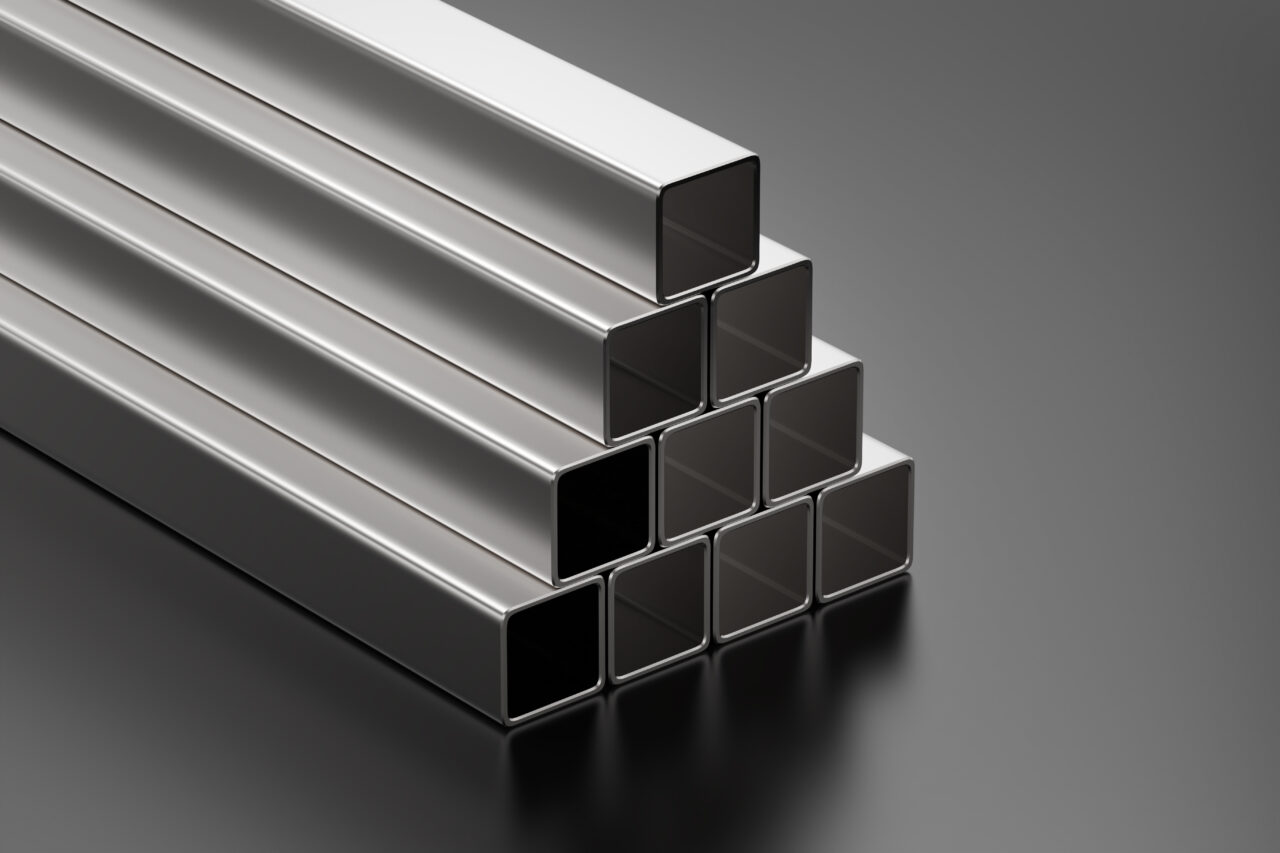
Stainless steel manifolds are critical components in modern data center infrastructure, serving as the central distribution system for cooling fluids that regulate server temperatures. These precision-engineered components channel coolant throughout the facility, ensuring optimal thermal management for sensitive computing equipment. High-strength stainless steel manifolds provide superior pressure resistance, corrosion protection, and structural integrity in these mission-critical environments where system failure is not an option. Explore our complete range of high-performance stainless steel solutions designed specifically for demanding data center applications.
What are stainless steel manifolds and why are they critical for modern data centers?
Stainless steel manifolds are specialized distribution systems that collect fluid from a single inlet and distribute it to multiple outlets or vice versa. In data centers, these components form the backbone of cooling infrastructure by efficiently routing chilled water, refrigerants, and other cooling mediums throughout server rooms. This precise fluid distribution is essential for maintaining optimal operating temperatures across thousands of heat-generating servers and preventing costly equipment failures.
Modern data centers generate enormous amounts of heat that must be managed effectively:
- A typical data center rack can produce 10-20 kW of heat
- Server rooms must maintain consistent temperatures between 18-27°C
- Even brief cooling failures can cause catastrophic equipment damage
High-strength stainless steel is particularly valuable for manifold applications due to its exceptional pressure handling capabilities, corrosion resistance in condensation-prone environments, and long-term structural stability. These properties ensure uninterrupted operation of cooling systems that protect millions of pounds worth of computing equipment and maintain the data integrity that businesses rely upon.
How do high-strength stainless steel manifolds improve data center efficiency?
Precision-engineered stainless steel manifolds significantly improve data center efficiency by optimizing coolant flow dynamics and minimizing pressure drops throughout the distribution system. This hydraulic efficiency translates directly to reduced pumping energy requirements and more effective heat removal from server equipment. High-strength stainless steel manifolds maintain their dimensional stability under varying temperature conditions, ensuring consistent performance even during peak demand periods.
Lean duplex stainless steel (LDX) offers particular advantages for data center applications:
| Property | Benefit in Data Center Environment |
|---|---|
| Superior strength-to-weight ratio | Enables thinner wall construction with equal pressure ratings |
| Enhanced corrosion resistance | Prevents internal contamination of cooling systems |
| Excellent fatigue resistance | Withstands pressure fluctuations and thermal cycling |
| Lower thermal expansion | Maintains dimensional stability during temperature changes |
The operational reliability provided by high-quality stainless steel manifolds directly impacts data center uptime. By eliminating weak points in cooling infrastructure, these systems help maintain the consistent environmental conditions necessary for maximum server efficiency and minimal thermal throttling of computing performance.
What makes square stainless steel tubes ideal for data center manifold applications?
Square stainless steel tubes provide uniform strength across all axes, making them exceptionally well-suited for data center manifold applications where compressive loads and multi-directional stresses are common. This balanced structural performance ensures maximum stability during installation, operation, and maintenance activities while offering superior resistance to twisting forces that can compromise connection integrity in fluid systems.
The manufacturing process for these square tubes significantly contributes to their performance characteristics:
- Roll forming creates consistent wall thickness and precise dimensions
- Press braking produces sharp corners that maximize internal volume
- Post-fabrication treatments enhance surface quality and corrosion resistance
Unlike round tubes that may require additional support to prevent sagging when spanning distances, square tubes maintain their shape under load with less deflection. This self-supporting characteristic simplifies installation and reduces the need for additional bracketry, particularly important in densely packed data center environments where space utilization is critical. The flat surfaces of square tubes also provide excellent mounting points for sensors, valves, and branch connections.
How do stainless steel manifolds contribute to data center sustainability?
Stainless steel manifolds significantly enhance data center sustainability through material efficiency and extended service life. High-strength stainless steel allows for thinner wall construction without sacrificing pressure capacity, reducing overall material usage by up to 30% compared to conventional steel alternatives. This weight reduction decreases the embodied carbon footprint while maintaining or improving performance specifications.
The exceptional corrosion resistance of stainless steel manifolds delivers substantial sustainability benefits:
- Elimination of chemical treatments and protective coatings
- Extended service life of 25+ years in controlled environments
- Reduced maintenance requirements and associated resource consumption
- 100% recyclability at end of life without degradation
In addition to these material benefits, properly designed stainless steel manifolds improve the energy efficiency of cooling systems through optimized flow characteristics. By minimizing pressure drops and turbulence within the distribution network, these manifolds reduce the pumping energy required to circulate coolant, contributing to lower operational carbon emissions over the facility’s lifetime. Contact our technical experts to discuss sustainable cooling solutions for your data center project.
What are the key considerations when selecting stainless steel manifolds for data centers?
When selecting stainless steel manifolds for data centers, several critical factors must be evaluated to ensure optimal performance. Load requirements represent the primary consideration, including maximum operating pressure, flow rates, and thermal expansion forces that will affect the manifold during operation. These parameters directly influence material grade selection, wall thickness specifications, and connection design to ensure system integrity under all operating conditions.
Environmental factors also play a significant role in material selection:
| Environmental Condition | Recommended Stainless Steel Grade |
|---|---|
| Standard indoor environments | 304/304L (1.4301/1.4307) |
| Coastal locations or chemical exposure | 316/316L (1.4401/1.4404) |
| High-pressure applications | Lean duplex (LDX 2101/2304) |
| Extreme conditions | Super duplex (SAF 2507) |
Integration with existing infrastructure demands careful consideration of connection types, flange standards, and transition requirements. The long-term performance expectations should guide quality specifications, including surface finish requirements, post-weld treatments, and quality assurance protocols. Proper material selection and manufacturing processes ensure that stainless steel manifolds will provide decades of reliable service in mission-critical data center environments.
Discover our complete range of stainless steel solutions engineered specifically for high-performance data center applications.
This article was created with the help of AI and reviewed by a human. It may include mistakes.