
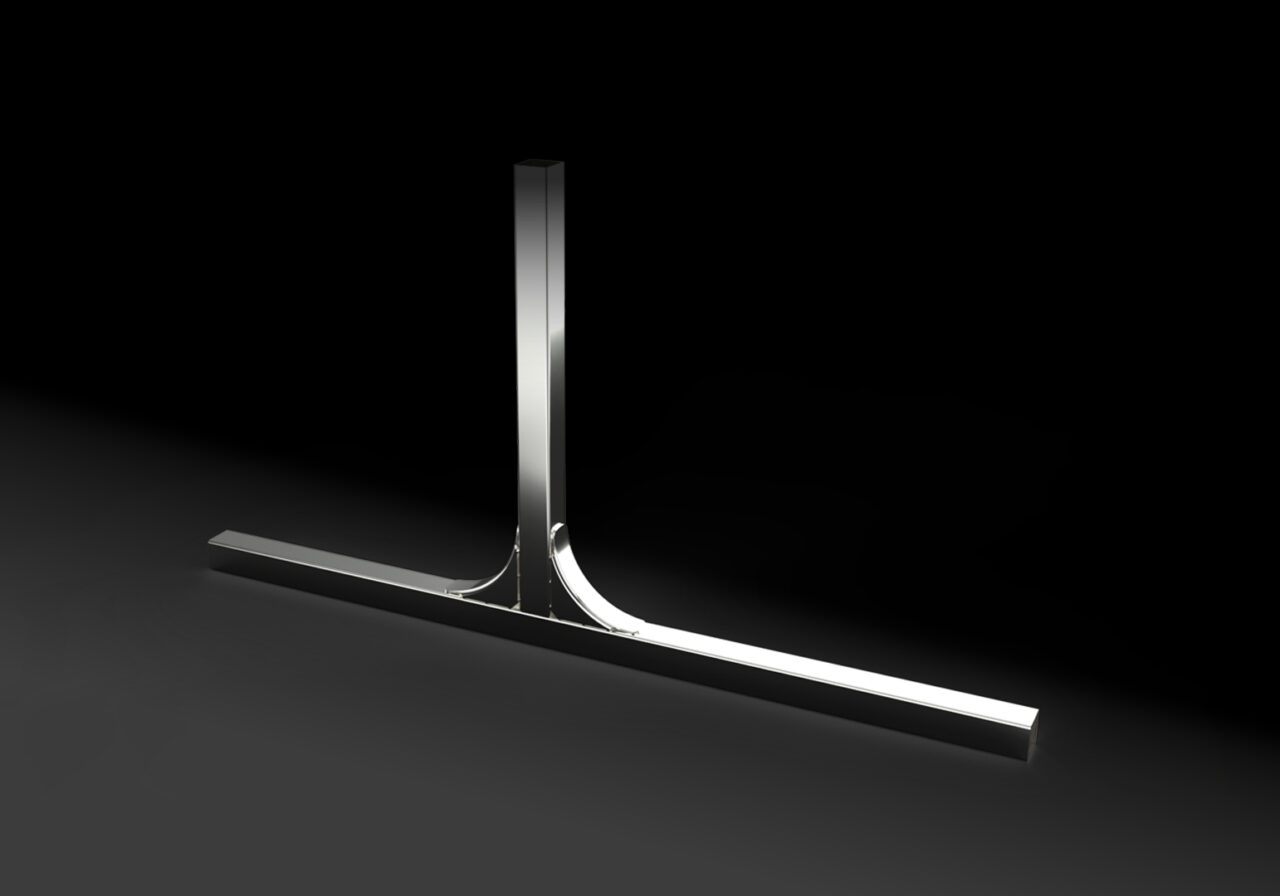
Stainless steel manifold systems are precision-engineered distribution networks crucial for fluid and thermal management in mission-critical environments. These high-performance systems rely on premium stainless steel components to ensure unwavering reliability under extreme operating conditions. When reliability is non-negotiable—such as in data centers where equipment cooling is essential—the material quality and engineering precision of manifold systems become paramount considerations.
Explore our complete range of high-strength stainless steel products engineered to meet the most demanding requirements in mission-critical applications.
What are stainless steel manifold systems and why are they critical for industrial applications?
Stainless steel manifold systems are specialized fluid distribution networks that route liquids or gases from a single source to multiple endpoints with precise control. These systems form the backbone of critical infrastructure in data centers, chemical processing facilities, and advanced manufacturing environments where system failure is not an option.
The critical nature of manifold systems stems from their function as central distribution points that must operate flawlessly under challenging conditions. In data centers, for example, manifold systems distribute chilled water or refrigerants throughout cooling networks, maintaining optimal temperatures for sensitive server equipment. Any compromise in this thermal management chain can lead to catastrophic equipment failure and data loss.
Premium stainless steel manifolds excel in these environments due to their exceptional material properties:
- Superior corrosion resistance preventing contamination in sensitive fluid systems
- Excellent thermal stability maintaining performance across temperature fluctuations
- High pressure tolerance ensuring system integrity under varying loads
- Outstanding durability delivering decades of reliable service
High-strength stainless steel manifold systems provide the engineering confidence necessary for mission-critical operations where system redundancy and reliability are fundamental requirements rather than optional features.
How does lean duplex stainless steel enhance manifold system performance?
Lean duplex stainless steel (LDX) significantly enhances manifold system performance through its exceptional combination of strength, corrosion resistance and weight efficiency. This advanced material provides approximately twice the yield strength of standard austenitic grades whilst maintaining excellent formability and weldability characteristics essential for complex manifold configurations.
The superior strength-to-weight ratio of lean duplex stainless steel delivers several critical advantages in manifold applications:
| Performance Attribute | Lean Duplex Advantage |
|---|---|
| Material Efficiency | Thinner walls possible while maintaining strength parameters |
| Pressure Resistance | Higher pressure ratings without dimensional increases |
| Structural Integrity | Enhanced stability under thermal cycling and vibration |
| Corrosion Performance | Excellent resistance to stress corrosion cracking |
In mission-critical data center applications, the enhanced structural stability of lean duplex manifolds ensures unwavering performance even when subjected to varying pressures, temperatures, and mechanical stresses. This stability translates to exceptional reliability in cooling systems where maintaining precise operating conditions is essential for equipment protection.
The sustainability benefits of lean duplex stainless steel also warrant consideration. The material’s higher strength enables weight reduction of up to 30% compared to conventional stainless steel grades, reducing resource consumption while maintaining or improving performance parameters. Additionally, the extended service life of lean duplex manifolds minimizes replacement requirements, further enhancing lifetime environmental performance.
What manufacturing processes ensure the reliability of premium stainless steel manifolds?
The reliability of premium stainless steel manifolds depends primarily on precision manufacturing processes, with roll forming and press braking being the most critical techniques employed. These specialized forming methods create the precise geometries necessary for high-performance manifold components while maintaining material integrity throughout the production cycle.
Roll forming produces stainless steel hollow sections with exceptional dimensional consistency and structural uniformity. This continuous process shapes flat stainless steel strip through progressive forming stations, creating precise hollow profiles with minimal internal stresses. For manifold applications, this translates to components with predictable performance characteristics and exceptional reliability under varying operating conditions.
Press braking complements roll forming by enabling the creation of complex manifold components requiring precise bends and angles. This process allows for:
- Creation of custom connection points and mounting features
- Precise forming of distribution branches with exact geometrical tolerances
- Integration of reinforcement features at high-stress junction points
- Specialized end treatments for leak-free connections
The manufacturing expertise developed through decades of stainless steel forming experience directly translates to manifold system reliability. Precisely controlled forming processes minimize material stress and maintain the inherent corrosion resistance of the stainless steel. This preservation of material properties ensures long-term performance predictability in demanding environments like data center cooling systems, where reliability standards are exceptionally stringent.
How do square stainless steel tubes improve load distribution in manifold systems?
Square stainless steel tubes provide uniform strength across all axes, creating significant structural advantages in manifold systems subjected to multi-directional forces. Unlike circular profiles that exhibit varying strength characteristics depending on load direction, square tubes deliver consistent performance regardless of how forces are applied, enhancing overall system stability.
This uniform load distribution capability proves particularly valuable in manifold applications where:
- Mounting brackets and supports create localized compressive loads
- Thermal expansion generates complex stress patterns
- Vibration from pumps or other equipment introduces dynamic forces
- Connection points create concentrated stress areas requiring reinforcement
Square tubes excel under compressive loads due to their flat surfaces and 90-degree corners, which efficiently distribute forces throughout the structure. In practical terms, this means manifold systems can support greater loads while maintaining dimensional stability—a critical factor in preventing leaks and ensuring proper flow characteristics.
Despite their superior load-bearing properties, square stainless steel tubes maintain relatively low weight compared to alternative profiles with similar strength ratings. This weight efficiency simplifies installation, reduces structural support requirements, and contributes to more sustainable building practices through material optimization.
What maintenance requirements should be considered for stainless steel manifold systems?
Stainless steel manifold systems require minimal maintenance compared to alternatives, but certain considerations ensure optimal long-term performance. The primary maintenance focus should be periodic inspection rather than active intervention, with attention to connection points, valves, and support structures where issues typically first appear.
A comprehensive maintenance approach should include:
- Visual inspections on quarterly schedules to identify early signs of issues
- Annual connection testing to verify system integrity remains uncompromised
- Documentation of system performance to establish baselines and track changes
- Valve operation checks to ensure continued functionality of flow control components
The inherent corrosion resistance of high-quality stainless steel manifolds significantly reduces maintenance requirements compared to carbon steel alternatives. This resistance eliminates the need for protective coatings or surface treatments that would otherwise require regular renewal, thereby minimizing lifecycle costs while maximizing operational uptime.
For data center applications specifically, the reliability benefits of premium stainless steel manifold systems translate directly to reduced maintenance intervals and lower risk of system interruptions. The exceptional durability of properly specified stainless steel ensures decades of reliable service with minimal intervention requirements, providing confidence in mission-critical cooling infrastructure.
Contact our engineering team to discuss your specific manifold system requirements and discover how our high-strength stainless steel solutions can enhance your mission-critical operations.
Discover our complete range of stainless steel products engineered for exceptional performance in the most demanding applications.
This article was created with the help of AI and reviewed by a human. It may include mistakes.