
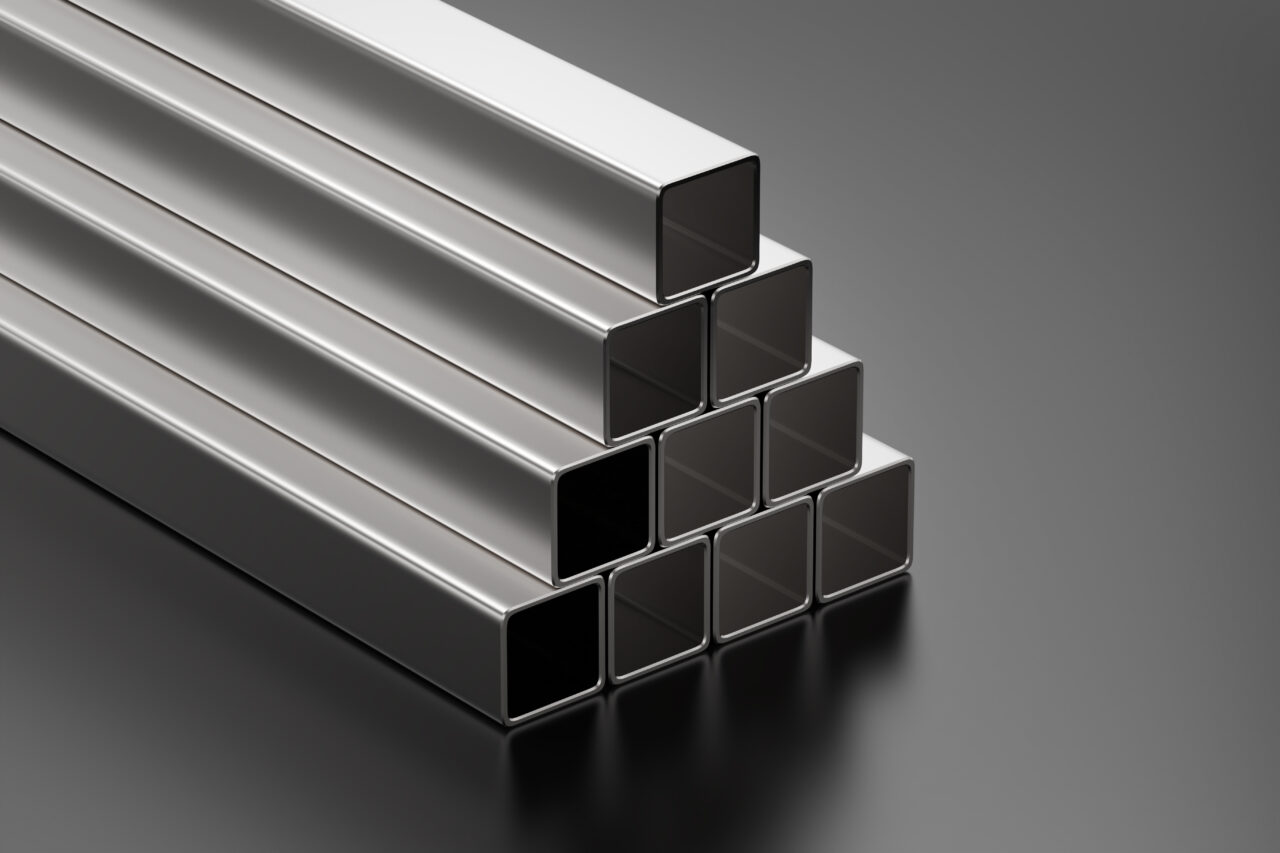
High-strength stainless steel components are essential for Multiple Element Gas Containers (MEGCs) due to their superior corrosion resistance in demanding environments. These specialized structural elements combine exceptional strength-to-weight ratios with inherent resistance to chemical degradation, extending service life while maintaining safety compliance. The use of advanced materials like lean duplex stainless steel offers significant advantages in terms of durability, load capacity, and long-term economic value. Explore our complete range of high-strength stainless steel solutions designed specifically for critical MEGC applications.
What makes high-strength stainless steel ideal for MEGC components?
High-strength stainless steel is ideal for MEGC components because it combines superior corrosion resistance with exceptional mechanical properties. Lean duplex (LDX) stainless steel, in particular, creates a robust passive layer that shields the material from aggressive chemical environments commonly encountered in gas transport and storage applications.
The corrosion resistance of high-strength steel tubes stems from their unique microstructure and chemical composition. With higher chromium content (typically 21-24%) and additions of molybdenum and nitrogen, these steels form an invisible, self-healing oxide film that continuously protects the underlying material. This passive layer remains stable even under harsh conditions, preventing corrosion progression that would compromise structural integrity.
The superior strength-to-weight ratio of these materials also contributes significantly to their suitability for MEGC applications. High-strength stainless steel tubes can support substantial loads while maintaining dimensional stability with relatively lower weight compared to conventional stainless steel alternatives. This property is particularly valuable in transportation applications where weight efficiency directly impacts operational economics.
| Property | Benefit in MEGC Applications |
|---|---|
| Pitting resistance | Protection against localised corrosion in chloride environments |
| Stress corrosion cracking resistance | Maintains integrity under combined stress and corrosive conditions |
| Uniform corrosion resistance | Predictable, long-term performance in service |
How do corrosion resistant properties affect MEGC safety and compliance?
Corrosion resistant properties directly impact MEGC safety and compliance by ensuring structural integrity throughout the service life of these critical containment systems. International safety standards, including ISO 1496-3 and ADR regulations, establish strict requirements for material durability and resistance to environmental degradation that high-strength stainless steel consistently meets or exceeds.
Regulatory compliance for MEGCs demands materials that maintain their mechanical properties despite exposure to varied and often aggressive substances. High-strength stainless steel tubes provide uniform strength distribution across all axes under compressive load, a critical safety factor that prevents unexpected structural failures. This uniform load distribution capability is particularly important in applications subject to dynamic stresses during transport.
Testing methodologies for MEGC components include cyclic pressure testing, exposure to simulated service environments, and accelerated corrosion testing. High-strength stainless steel demonstrates exceptional stability in these tests, showing minimal material deterioration even after extended exposure periods. This predictable performance allows for more accurate service life calculations and maintenance scheduling, both essential aspects of compliance management.
What are the key differences between standard and high-strength stainless steel in MEGC applications?
The key differences between standard and high-strength stainless steel in MEGC applications include yield strength, corrosion performance, and weight efficiency. High-strength options like lean duplex stainless steel offer yield strengths approximately twice that of standard austenitic grades (450-550 MPa versus 220-240 MPa), enabling thinner wall sections while maintaining load capacity.
This strength advantage translates directly to material efficiency and weight reduction. MEGC structures built with high-strength steel tubes can achieve the same performance specifications with up to 30% less material. Square tubes provide uniform strength across all axes under compressive load, an essential characteristic for containers subjected to stacking forces and internal pressure.
Corrosion resistance also differs significantly between standard and high-strength grades. While conventional austenitic stainless steels offer good general corrosion resistance, high-strength variants provide superior protection against localised corrosion forms like pitting and crevice corrosion. This enhanced protection is particularly valuable in MEGCs that transport or store corrosive gases or operate in marine environments.
- Load-bearing capacity: High-strength grades maintain structural integrity with thinner sections
- Material efficiency: Less material required for equivalent performance specifications
- Fatigue resistance: Better performance under cyclical loading conditions
- Dimensional stability: Enhanced resistance to deformation under load
How does the manufacturing process enhance corrosion resistance in MEGC components?
The manufacturing process enhances corrosion resistance in MEGC components through precise forming techniques that preserve the material’s passive layer and microstructural integrity. Roll forming and press braking methods used for high-strength steel tubes maintain consistent material properties without introducing stress concentrations that could become corrosion initiation sites.
During roll forming, the controlled deformation of stainless steel sheet into tubular sections occurs without excessive work hardening or surface damage. This preservation of surface integrity is crucial for corrosion performance, as any disruption to the passive layer could create vulnerability to environmental attack. The uniform wall thickness achieved through precise roll forming also eliminates thin spots that might corrode preferentially.
Press braking similarly contributes to corrosion resistance by maintaining tight dimensional tolerances and clean edge profiles. The process parameters are carefully controlled to prevent excessive heating or material disruption that could alter the corrosion-resistant properties. These manufacturing techniques ensure that the finished components maintain their designed corrosion resistance throughout their complex shapes and at joining interfaces.
What environmental factors impact the performance of stainless steel MEGC components?
Environmental factors that significantly impact stainless steel MEGC component performance include chemical exposure, temperature variations, and mechanical stress conditions. Exposure to chloride-containing environments (coastal atmospheres, de-icing salts) presents particular challenges, as chlorides can penetrate the passive layer of standard stainless steels. High-strength stainless steel with enhanced pitting resistance effectively counters this threat.
Temperature fluctuations affect material performance by potentially altering corrosion kinetics and mechanical properties. High-strength stainless steel maintains its structural integrity across a broad temperature range (-40°C to 300°C), making it suitable for varied service conditions. This temperature stability ensures consistent performance regardless of seasonal variations or operating parameters.
Pressure cycling and mechanical vibration during transport create additional stresses that can accelerate corrosion when combined with aggressive environments. This phenomenon, known as corrosion fatigue, is effectively resisted by high-strength stainless steel tubes through their superior metallurgical structure and mechanical stability. Contact our technical team to discuss your specific environmental challenges and identify the optimal material solution for your MEGC application.
How do high-strength stainless steel components contribute to MEGC lifecycle economics?
High-strength stainless steel components significantly improve MEGC lifecycle economics through weight reduction, maintenance savings, and extended service life. The superior strength-to-weight ratio allows for material reductions of 20-30% compared to conventional stainless steel designs, directly translating to increased payload capacity and reduced fuel consumption during transport operations.
The exceptional corrosion resistance of these components virtually eliminates the need for protective coatings or frequent replacement, substantially reducing maintenance costs over the service life. While the initial investment may be higher than alternative materials, the total cost of ownership analysis clearly demonstrates economic advantages when considering the full lifecycle of the equipment.
Sustainability benefits further enhance the economic proposition. The durability of high-strength stainless steel means fewer replacements and less material consumption over time. Additionally, at end-of-life, these components retain significant value as recyclable material, with stainless steel typically recovering 85-90% of its original value through established recycling channels.
| Lifecycle Factor | Economic Benefit |
|---|---|
| Weight reduction | Increased payload capacity, reduced transport costs |
| Maintenance requirements | Minimal intervention needed, reduced downtime |
| Service life | Extended operational period before replacement |
| End-of-life value | High recyclability and material recovery value |
For optimal lifecycle performance in demanding MEGC applications, our high-strength stainless steel solutions provide the ideal balance of initial investment and long-term value. Explore our complete product range to find the perfect structural components for your specific requirements.
This article was created with the help of AI and reviewed by a human. It may include mistakes.